
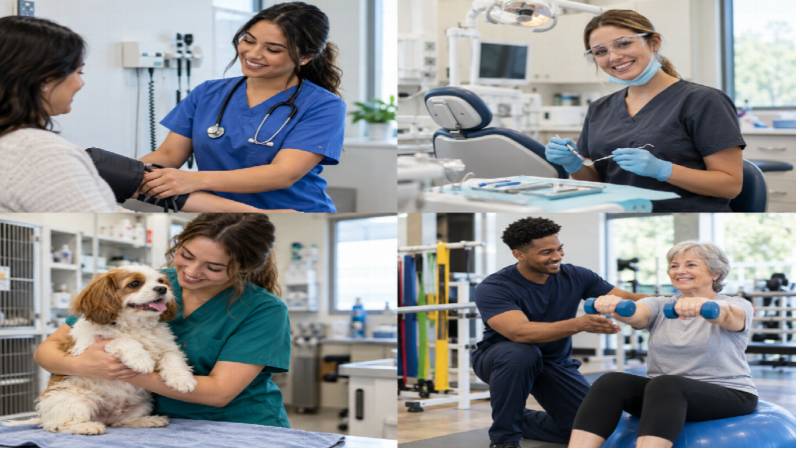
A career in healthcare doesn’t have to begin with years of medical school, overwhelming tuition costs, or a doctor’s degree.
In fact, hospitals, clinics, dental offices, and veterinary practices depend on professionals who work alongside doctors and other licensed specialists every day. Many of these roles offer accessible training pathways and opportunities to make a meaningful difference.
Whether you’re changing careers, exploring your first job, or looking for a profession that feels more rewarding, there are several options worth considering.
Here are seven healthcare careers that could help you take your first step into the industry.
1. Medical Assistant: Work Directly With Patients
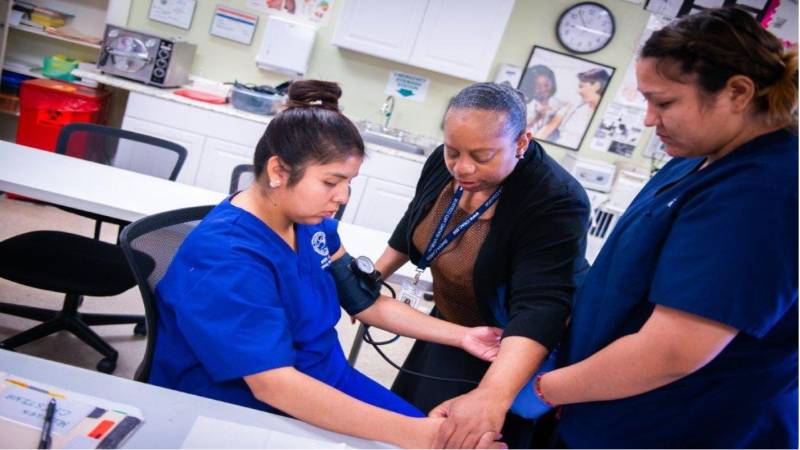
If you enjoy helping people and prefer a mix of administrative and hands-on responsibilities, becoming a medical assistant could be a practical choice.
Medical assistants support healthcare providers in clinics, physicians’ offices, and outpatient facilities.
Typical responsibilities include:
- Recording patients’ vital signs and medical histories.
- Preparing examination rooms and assisting with procedures.
- Scheduling appointments and updating patient records.
- Explaining routine instructions to patients.
One appealing aspect of this career is that you don’t necessarily need a four-year degree. Many aspiring medical assistants complete career-focused training programs before applying for positions.
If you’re planning your education, understanding how long does it take to be a medical assistant can help you compare training pathways and set realistic expectations.
Best for: Organized, compassionate individuals who enjoy patient interaction and multitasking.
 2. Dental Assistant: Help Patients Feel Comfortable
A visit to the dentist can make some patients nervous. Dental assistants play an important role in making appointments run smoothly while helping patients feel at ease.
Their responsibilities may include preparing instruments, assisting dentists during treatment, maintaining infection-control procedures, and providing patient instructions.
Depending on the state and specific duties, dental assistants may enter through on-the-job training or formal education. Certain expanded functions require additional qualifications.
Best for: Detail-oriented people who enjoy teamwork and working in a structured clinical environment.
3. Veterinary Assistant: Turn Your Love for Animals Into a Career
Healthcare isn’t limited to treating humans. Veterinary clinics and animal hospitals also need skilled support staff to care for animals.
Veterinary assistants help veterinarians and veterinary technicians with everyday tasks, including:
- Preparing examination and treatment areas.
- Feeding, exercising, and safely handling animals.
- Cleaning and disinfecting equipment.
- Helping maintain a safe environment for animals and staff.
Although some employers provide on-the-job training, structured vet assistant programs can introduce students to animal care, veterinary terminology, and workplace procedures.
Best for: Animal lovers who are patient, physically active, and comfortable working with both pets and their owners.
4. Physical Therapy Aide: Support Patients on Their Recovery Journey
Watching someone regain mobility after an injury can be incredibly rewarding.
Physical therapy aides support physical therapists and physical therapist assistants by keeping treatment areas organized, preparing equipment, and helping patients with nonclinical activities.
Unlike licensed physical therapist assistants, aides generally do not provide skilled physical therapy treatment.
Many positions offer on-the-job training, although relevant coursework can help applicants become familiar with rehabilitation settings.
Best for: Supportive individuals who enjoy active environments and helping others work toward recovery.
5. Pharmacy Technician: Work Behind the Scenes of Patient Care
Not every healthcare career involves direct physical contact with patients.
Pharmacy technicians help pharmacists process prescriptions, manage medication inventory, maintain records, and assist customers.
They can work in retail pharmacies, hospitals, and other healthcare facilities.
Training and registration requirements vary by state, and some employers prefer candidates with formal education or professional certification.
Best for: People who are accurate, organized, and comfortable working with numbers and detailed instructions.
6. Massage Therapist: Help People Manage Physical Discomfort
Massage therapy combines practical skills, human connection, and an understanding of the body.
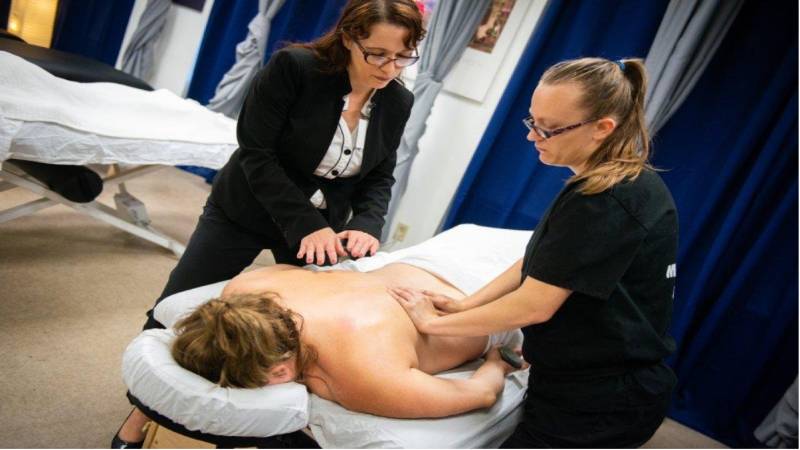
Massage therapists use various hands-on techniques to help clients relax, address muscle tension, and support wellness goals.
Common work environments include wellness centers, spas, chiropractic offices, and private practices.
Most states regulate massage therapy, so aspiring professionals should review local education, examination, and licensing requirements before choosing a program.
Best for: Empathetic individuals who enjoy hands-on work and one-on-one client relationships.
 7. Medical Records Specialist: Make Healthcare Information Count
Behind every successful healthcare organization is a system that keeps patient information accurate and accessible.
Medical records specialists organize, review, and maintain health information. Some positions involve medical coding, electronic health records, and insurance-related documentation.
The work usually requires strong attention to detail, technical proficiency, and an understanding of medical terminology.
Entry requirements differ by employer, with some positions requiring a certificate or additional credentials.
Best for: Analytical thinkers who prefer structured, computer-based work over direct patient care.
How Do You Choose the Right Healthcare Career?
With so many possibilities, the best choice depends on your interests, strengths, and career goals.
| If you enjoy… | Consider… |
| Direct patient interaction | Medical Assistant |
| Dental care and clinical teamwork | Dental Assistant |
| Working with animals | Veterinary Assistant |
| Rehabilitation environments | Physical Therapy Aide |
| Detail-oriented medication tasks | Pharmacy Technician |
| Hands-on wellness services | Massage Therapist |
| Information and technology | Medical Records Specialist |
Before enrolling in a training program, ask yourself:
- How much time can I dedicate to training? Some roles allow on-the-job learning, while others require formal education.
- Do I prefer working with patients, animals, or information? Your daily responsibilities should match your interests.
- What credentials are required in my state? Licensing and certification rules can differ considerably.
- What opportunities exist locally? Research employers, job postings, and realistic entry-level expectations.
You don’t need to become a doctor to build a fulfilling career in healthcare.
From supporting patients in medical offices to caring for animals or managing essential health information, these seven careers demonstrate how many different roles contribute to better care.
The key is to choose a pathway that fits your abilities, research the training requirements, and take that first informed step.
A meaningful healthcare career might be closer than you think.See More