
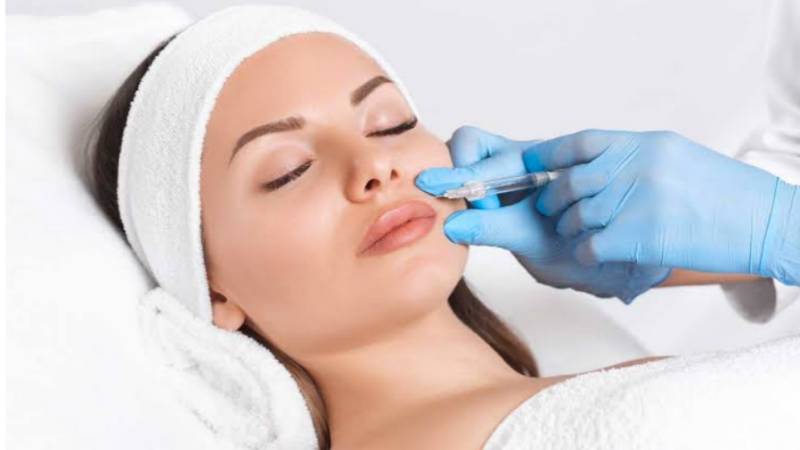
Dermal fillers have become an increasingly popular option for individuals who want to restore facial volume, soften wrinkles, or enhance certain facial features without undergoing surgery. For patients considering dermal fillers in Cincinnati, understanding the complete treatment process can make the experience more comfortable and help establish realistic expectations.
Although dermal filler injections are typically completed during a relatively short office visit, successful treatment involves much more than the injections themselves. A thorough consultation, facial assessment, personalized treatment plan, careful injection technique, and appropriate follow-up all contribute to safe, natural-looking results.
Whether someone is interested in fuller lips, smoother facial contours, or addressing age-related volume loss, knowing what happens before, during, and after treatment is an important first step.
What Are Dermal Fillers and How Do They Work?
Dermal fillers are injectable substances used to add volume, improve facial contours, and reduce the appearance of certain lines and wrinkles. Unlike surgical procedures that reposition facial tissues, fillers work by placing a specially formulated material beneath the skin to provide structural support or enhance specific features.
Many commonly used fillers contain hyaluronic acid, a substance naturally found in the body that helps tissues retain moisture. Hyaluronic acid fillers are frequently used for lip enhancement, cheek volume, and certain facial folds.
Other injectable products, such as poly-L-lactic acid fillers, work differently by stimulating the body’s collagen production over time. These treatments may be appropriate for patients interested in gradual improvements in facial volume and structure.
Common treatment areas include:
- Lips, for added volume, definition, or improved symmetry
- Cheeks, to restore volume and support facial contours
- Nasolabial folds, to soften lines between the nose and mouth
- Marionette lines, to address creases extending downward from the corners of the mouth
- Chin and jawline, to enhance facial definition
- Selected facial wrinkles and areas of volume loss
Not every filler is appropriate for every facial area. Product selection depends on the patient’s anatomy, treatment goals, medical history, and the specific indications of the injectable product.
Step 1: Scheduling an Initial Dermal Filler Consultation in Cincinnati
The first stage of the dermal filler process is a consultation with a qualified medical professional.
During this appointment, patients have an opportunity to explain what they would like to improve about their appearance. Some may want subtle lip enhancement, while others may be concerned about facial volume loss or deeper folds that have developed with age.
An experienced injector should evaluate the entire face rather than focusing exclusively on one area. Facial balance, skin elasticity, bone structure, existing volume, and natural movement all influence the treatment approach.
Reviewing Medical History and Treatment Eligibility
Before recommending dermal fillers, the provider should review the patient’s medical history.
This typically includes discussing previous cosmetic treatments, allergies, medications, active skin conditions, and any history of complications with injectable products.
Patients should also disclose whether they are pregnant or breastfeeding, have a history of severe allergic reactions, or are experiencing an infection near the proposed injection area.
Blood-thinning medications and certain supplements may increase bruising risk. Patients should never discontinue prescribed medications without consulting the clinician who manages them.
Discussing Goals and Setting Realistic Expectations
One of the most important parts of the consultation is determining what dermal fillers can realistically accomplish.
Fillers can restore or enhance volume, but they cannot address every concern associated with facial aging. Significant skin laxity, for example, may require a different treatment approach.
A responsible provider should explain the expected degree of improvement, potential limitations, available alternatives, and whether treatment is appropriate at all.
The objective should be an individualized result that complements the patient’s natural facial features.
Step 2: Developing a Personalized Dermal Filler Treatment Plan
After the consultation and facial assessment, the provider develops a treatment plan based on the patient’s goals and anatomy.
This plan identifies which facial areas may benefit from treatment, the type of filler being considered, the approximate amount needed, and whether the procedure should be completed in one appointment or over multiple visits.
Choosing the Appropriate Type of Filler
Different fillers have different properties, including firmness, flexibility, lifting capacity, and duration.
For example, a filler selected for delicate lip enhancement may have different characteristics from one used to restore cheek volume.
Hyaluronic acid fillers generally provide visible volume enhancement immediately, although swelling can temporarily alter the appearance. Collagen-stimulating fillers may require multiple sessions and several months for their full effects to develop.
Patients should ask their provider which product is being recommended, why it is appropriate, and whether its use is FDA-approved for the intended treatment area.
Determining How Much Filler Is Needed
The amount of filler required varies considerably between individuals.
A patient seeking subtle lip definition may need a different treatment volume than someone addressing substantial facial volume loss.
More filler does not necessarily produce better results. Excessive volume can create disproportionate contours or an unnatural appearance.
Many experienced injectors favor a conservative approach, particularly for first-time patients. Additional treatment can be considered after the initial results have settled.
Step 3: Preparing for the Dermal Filler Appointment
Once a treatment plan has been established, the next stage involves preparing for the injection appointment.
Most dermal filler procedures require relatively little preparation, although patients should follow their provider’s specific instructions.
Patients are generally encouraged to arrive with clean skin and disclose any recent illness, dental procedures, skin irritation, or changes in medication.
Alcohol consumption shortly before treatment may increase the likelihood of bruising, so some providers recommend avoiding it for a limited period before the appointment.
Patients with a history of cold sores should mention this before lip injections because needle-based procedures around the mouth can sometimes trigger an outbreak. Preventive antiviral medication may be considered when appropriate.
What Happens Immediately Before the Injections?
At the beginning of the appointment, the injector typically cleans the treatment area and may take photographs for clinical documentation.
The provider may mark specific injection points based on the patient’s anatomy and the intended outcome.
Depending on the treatment area and product, a topical numbing cream may be applied to improve comfort. Some fillers also contain lidocaine, a local anesthetic that helps reduce discomfort during injection.
Before proceeding, patients should have an opportunity to review the treatment plan, understand the potential risks, and provide informed consent.
Step 4: The Dermal Filler Injection Procedure
The injection procedure itself is usually the shortest part of the overall treatment process.
Depending on the number of treatment areas and complexity of the procedure, injections may take approximately 15 to 45 minutes. Additional time may be needed for consultation, preparation, and numbing.
How Are Dermal Fillers Injected?
The injector places small amounts of filler beneath the skin using a fine needle or a blunt-tipped cannula.
The injection depth and technique depend on the treatment area, the filler being used, and the desired result.
For example, lip enhancement may involve carefully placed injections to improve volume and definition, while cheek treatment may require deeper placement to restore structural support.
The provider should assess facial contours and symmetry throughout the procedure, adjusting the approach as needed.
Do Dermal Filler Injections Hurt?
Most patients experience some discomfort, but the sensation is generally brief.
Patients commonly describe pressure, pinching, or mild stinging during injections. Topical anesthetics and fillers containing lidocaine can make the experience more manageable.
Discomfort varies depending on the treatment area and individual sensitivity. The lips, for example, may be more sensitive than certain areas of the cheeks.
Patients should communicate any unusual or severe pain immediately.
How Does the Injector Check the Results?
After placing the filler, the provider examines the treated areas for contour, balance, and visible irregularities.
Minor adjustments may be made when appropriate.
The injector should also assess for immediate complications, including signs of impaired blood flow. Although uncommon, accidental injection into a blood vessel or compression of a vessel can cause serious tissue injury and, in rare cases, blindness or stroke.
Severe or escalating pain, unusual blanching, dusky or mottled skin, or any visual changes require immediate medical attention. Vision changes after filler injection are a medical emergency.
These risks underscore the importance of choosing a medically qualified injector with detailed knowledge of facial anatomy and established emergency protocols.
Step 5: Understanding Recovery and Aftercare
One reason dermal fillers appeal to many Cincinnati patients is that most treatments require little scheduled downtime.
Many individuals return to normal daily activities shortly after their appointment. However, temporary swelling, tenderness, redness, and bruising are common and should be anticipated.
The first 24 to 48 hours are particularly important for following the provider’s aftercare recommendations.
What Should Patients Do After Dermal Filler Injections?
Although specific instructions vary by treatment area and product, common recommendations include avoiding unnecessary pressure on the treated areas, limiting strenuous exercise for approximately 24 hours when advised, and minimizing activities that worsen swelling.
Patients may be instructed to use a cool compress gently to reduce discomfort. Makeup application and skincare routines should follow the injector’s recommendations, particularly while injection sites are healing.
Patients should also avoid massaging the treated areas unless their provider specifically instructs them to do so. Certain collagen-stimulating fillers have different aftercare requirements, making product-specific guidance important.
What Side Effects Are Normal After Treatment?
Mild swelling, bruising, redness, and tenderness are common after filler injections.
These effects often improve over several days, although some patients experience swelling or bruising for a few weeks.
The U.S. Food and Drug Administration notes that most common reactions resolve within days to weeks, while delayed complications can occasionally develop much later.
FDA
Persistent or worsening swelling, increasing redness, fever, or painful lumps should prompt medical evaluation. Severe pain, skin discoloration, vision changes, or neurological symptoms require emergency assessment rather than routine follow-up.
Step 6: Evaluating Results After the Initial Healing Period
One of the most common questions patients ask is how long it takes to see the final results of dermal fillers.
The answer depends on the type of filler, treatment area, and individual healing response.
With hyaluronic acid fillers, patients often notice an immediate change in volume or contour. However, the appearance directly after treatment may not accurately reflect the final outcome because of temporary swelling.
What Happens During the First Two Weeks?
During the first several days, the treated area may appear fuller than expected.
As swelling decreases, the contours generally become more representative of the intended result. Minor bruising or tenderness may also resolve during this period.
For many patients receiving hyaluronic acid fillers, a follow-up assessment around two weeks after treatment provides an opportunity to evaluate the outcome once much of the initial swelling has subsided.
Some providers may recommend waiting longer before making adjustments, depending on the product and treatment area.
When Do Collagen-Stimulating Fillers Show Results?
Products such as Sculptra, which contains poly-L-lactic acid, work differently from traditional hyaluronic acid fillers.
Rather than relying solely on immediate volume enhancement, these treatments stimulate gradual collagen production.
Visible improvement may develop over several weeks or months, and a series of treatment sessions may be recommended.
According to the FDA, the effects of poly-L-lactic acid fillers can become increasingly apparent over time and may last up to two years, depending on the product and individual response.
Step 7: Follow-Up Appointments and Potential Adjustments
The dermal filler process does not necessarily end when the injections are completed.
A follow-up appointment allows the medical provider to assess the outcome, evaluate healing, and determine whether additional treatment would be appropriate.
During this visit, the injector may compare the results with the original treatment goals and any photographs taken before the procedure.
Patients can discuss whether they are satisfied with the amount of volume, facial balance, and overall appearance.
What Happens if a Patient Wants More Filler?
If a patient wants additional volume, the provider may recommend a conservative touch-up after sufficient healing.
However, additional injections should be based on a new assessment rather than automatically adding more product.
The objective is to maintain proportion and avoid unnecessary overcorrection.
Can Dermal Fillers Be Reversed?
Certain hyaluronic acid fillers can be reduced or dissolved using an enzyme called hyaluronidase.
This may be considered when results are undesirable or when medically indicated for certain complications.
However, dissolving filler is itself a medical intervention with potential risks, and it does not guarantee complete reversal.
Other filler materials, including some collagen-stimulating and permanent fillers, cannot be dissolved in the same way. Patients should understand these differences before treatment.
Step 8: Maintaining Dermal Filler Results Over Time
Dermal fillers are not generally permanent, and their effects gradually change as the body processes the injected material.
The duration of results depends on several factors, including the product formulation, injection location, treatment volume, and individual physiology.
For example, the FDA describes typical hyaluronic acid filler effects as lasting approximately six to twelve months, although the duration of specific products can differ. Some other filler materials may produce effects lasting considerably longer.
How Often Do Patients Need Maintenance Treatments?
There is no universal maintenance schedule.
Some patients return for additional treatment after several months, while others maintain satisfactory results for a year or longer.
The provider should evaluate how much filler remains, whether the patient’s facial anatomy has changed, and whether another injection would provide meaningful benefit.
Repeated treatments are not automatically necessary, and patients should avoid assuming that every decrease in visible fullness requires more product.
Long-term safety data on repeated filler use remain limited, making individualized reassessment important.
Can Skincare Help Maintain Results?
A consistent skincare routine can support overall skin health, although it cannot prevent the body from gradually absorbing dermal fillers.
Daily sunscreen use, appropriate moisturizing products, and evidence-based skincare may help address other contributors to facial aging.
Patients may also discuss complementary aesthetic treatments with their provider. Botox, laser treatments, and collagen-stimulating procedures address different concerns, and not every combination is appropriate for every individual.
How to Choose a Dermal Filler Provider in Cincinnati
Selecting the right provider is one of the most consequential decisions in the entire dermal filler process.
Although dermal fillers are often marketed as convenient cosmetic treatments, they are medical procedures that require anatomical knowledge, clinical judgment, and appropriate complication management.
Patients considering treatment in Cincinnati should look for a licensed medical professional with specific training and experience in facial injectable procedures.
A reputable provider should be transparent about the products being used, potential risks, treatment costs, and expected outcomes.
Before scheduling injections, patients should feel comfortable asking several important questions:
- What medical qualifications and injectable training does the provider have?
- Which filler product is recommended, and why?
- Is the product FDA-approved for the intended use?
- What complications can occur, and how would the clinic manage them?
- What is included in the treatment price and follow-up care?
- What results are realistic for the patient’s individual facial anatomy?
The FDA specifically recommends choosing a licensed healthcare provider who understands facial anatomy, injection techniques, and the management of complications.
For Cincinnati patients, the goal should be to establish a relationship with a provider who prioritizes safety, personalized care, and appropriate treatment rather than simply offering the greatest amount of filler.
Frequently Asked Questions About Dermal Fillers in Cincinnati
How long does a dermal filler appointment take?
The injection portion commonly takes approximately 15 to 45 minutes, depending on the number of areas being treated. A first appointment may take longer because of the consultation, facial assessment, consent process, and preparation.
Can I go back to work after getting dermal fillers?
Many patients return to work the same day. However, swelling, redness, or bruising may be visible, especially following lip injections. Patients planning treatment before an important event should allow sufficient time for healing.
How much do dermal fillers cost in Cincinnati?
Pricing varies depending on the clinic, product, treatment area, and quantity of filler used. Some providers charge per syringe, while others use treatment-specific pricing. Patients should request a personalized estimate that explains the total anticipated cost, including whether follow-up treatment is included.
How long does swelling last after dermal fillers?
Mild swelling often improves substantially within several days, but it can persist longer, particularly around the lips. Some swelling and bruising may take a few weeks to resolve. Worsening symptoms or unusual pain should be assessed promptly.
How soon will I see the final results?
Hyaluronic acid fillers typically produce immediate visible volume, but swelling can affect the initial appearance. Many patients can better evaluate their results after approximately two weeks. Collagen-stimulating fillers may take several months to develop their full effects.
Are dermal fillers safe for first-time patients?
FDA-approved dermal fillers have established safety and effectiveness data for specific uses, but no injectable procedure is risk-free. A first-time patient should receive a thorough medical evaluation, understand the potential complications, and choose an appropriately trained medical provider.
Can I get dermal fillers and Botox during the same appointment?
Some medical providers offer both treatments during the same visit when clinically appropriate. However, Botox and dermal fillers work differently, and their combined use requires individualized consideration. The FDA notes that the safety of combining fillers with certain other treatments has not been established through controlled clinical studies.
FDA
What should I do if I don’t like my dermal filler results?
Patients should contact their treating provider to discuss their concerns. Some irregularities improve as swelling resolves, while others may require assessment or correction. Certain hyaluronic acid fillers can be dissolved, but not all filler materials are reversible.
Making an Informed Decision About Dermal Fillers in Cincinnati
Dermal fillers can offer a nonsurgical approach to facial enhancement, but achieving a satisfactory outcome requires thoughtful planning and appropriate medical care.
From the initial consultation through treatment, recovery, and follow-up, each stage contributes to the overall patient experience.
For individuals exploring dermal fillers in Cincinnati, understanding this process makes it easier to evaluate providers, prepare for treatment, and establish realistic expectations.
The most appropriate treatment plan is not necessarily the one that produces the most dramatic immediate change. It is the one that accounts for facial anatomy, individual goals, medical safety, and long-term aesthetic balance.
Patients interested in learning whether dermal fillers are appropriate for them should schedule a consultation with a qualified medical professional who can explain the available options and recommend an individualized approach.See More