
Healthy eating often becomes difficult at the end of a demanding day. Between work, family responsibilities, and unpredictable schedules, preparing dinner can feel like another obligation. Yet nutritious meals do not require complicated recipes or perfect routines. A few practical kitchen habits can make dinner more manageable while supporting balanced nutrition, enjoyable flavors, and a healthier relationship with food.
The goal is not to follow a rigid menu or eliminate favorite dishes. It is to make nourishing choices easier on ordinary evenings. Keeping versatile ingredients available, learning a handful of reliable techniques, and planning for realistic portions can reduce decision fatigue. Over time, these small improvements create a routine that works even when motivation is low or schedules suddenly change.
Start With Versatile Sources of Protein
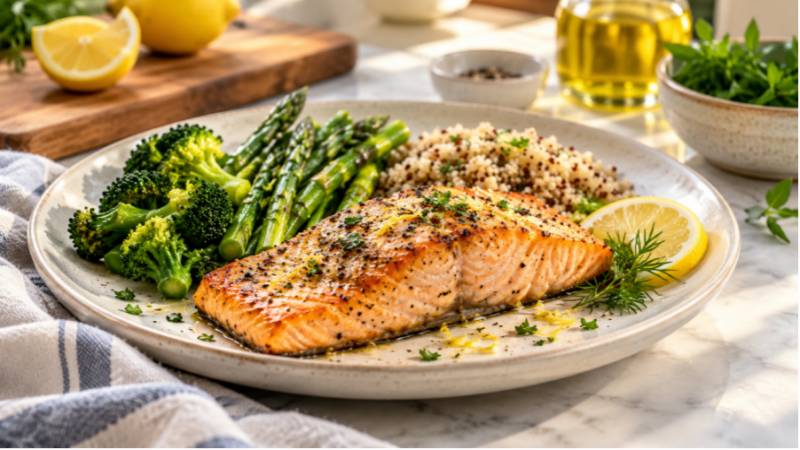
Protein provides essential building blocks for the body and helps make meals satisfying. Eggs, beans, lentils, tofu, poultry, and seafood can all play a role in a varied weekly menu. For example, learning how to cook salmon gives home cooks a flexible option that pairs easily with vegetables, grains, and fresh herbs. Its naturally rich flavor also means a balanced dinner can feel satisfying without an elaborate sauce.
Instead of relying on one protein every evening, rotate choices according to availability and preference. Canned beans work well in soups, while eggs can turn leftover vegetables into a quick meal. Fish can be prepared with citrus, garlic, or herbs for variety. Keeping several alternatives in mind reduces the temptation to abandon dinner plans when one ingredient is unavailable or expensive. An uncomplicated rotation also makes grocery shopping easier because the same vegetables and grains can support several different dinners without repeated planning.
Build a Plate Around Variety
A practical dinner begins with three broad elements: a protein source, plenty of vegetables, and a satisfying carbohydrate. Brown rice, potatoes, whole grain pasta, or other familiar staples can provide energy alongside fiber rich produce. Adding olive oil, nuts, seeds, or other sources of unsaturated fat creates more opportunities for flavor. Exact proportions can vary with appetite, activity, and individual nutritional needs.
Color can be a useful reminder to include different plant foods, although it is not a nutritional scorecard. Frozen spinach, carrots, cabbage, and mixed vegetables are convenient options when fresh produce is scarce. Try pairing a roasted protein with sautéed greens and rice, or serving a hearty bean mixture over baked potatoes. Simple combinations are often easier to repeat than complicated meal plans.
Make Preparation Work for Your Schedule
One of the strongest ways to improve weeknight eating is to prepare ingredients before hunger becomes urgent. Washing vegetables, portioning proteins, and mixing a basic dressing can remove several decisions from the busiest part of the day. Even ten minutes of preparation after grocery shopping can help. Store perishable foods promptly and keep raw seafood separate from foods that will be eaten without cooking.
Choose techniques that fit the time and attention available. Oven roasting allows several ingredients to share one tray, while a skillet is useful when dinner needs to come together quickly. A rice cooker or batch of precooked grains can simplify the rest of the plate. Using familiar methods consistently builds confidence and makes healthier meals feel less like special projects.
Pay Attention to Flavor and Food Safety
Nutritious food should be enjoyable. Lemon, ginger, garlic, pepper, and fresh herbs can add character without requiring heavy sauces. When preparing fish, patting the surface dry and managing heat can improve texture. If you want to cook salmon with greater consistency, understanding the differences between baking, pan searing, and gentle poaching can help you select a method that suits your equipment and preferred finish.
Food safety matters as much as taste. The United States Food and Drug Administration recommends cooking finfish to an internal temperature of 145°F, measured in the thickest part with a food thermometer. Frozen seafood should be thawed safely in the refrigerator, or by an approved quicker method when needed. Clean utensils and surfaces after contact with raw fish, and refrigerate leftovers promptly rather than leaving them on the counter.
Think Beyond a Single Meal
A balanced eating pattern develops across days and weeks, not through one flawless dinner. The American Heart Association recommends two servings of fish weekly, particularly fatty varieties that provide omega-3 fatty acids. Still, seafood is only one piece of a broader diet. Fruits, vegetables, legumes, whole grains, and varied protein sources all contribute nutrients that support overall health.
Budget and access also shape what is realistic. Frozen fish, seasonal produce, and pantry staples may offer convenient alternatives to premium fresh ingredients. Buying what will actually be used is often more valuable than purchasing an ambitious collection of healthy foods. A short grocery list based on familiar meals can reduce waste, keep spending predictable, and make better use of ingredients already available.
Let Consistency Replace Perfection
Some evenings will call for a freshly prepared meal; others may require leftovers or a simple combination of pantry foods. Both can belong in a practical routine. A bowl of grains with beans and vegetables can be just as useful on a busy night as a carefully planned dinner. Flexibility encourages continuity, whereas strict rules can make one missed plan feel like failure.
Consider choosing two or three dependable dinner combinations and changing their seasonings or side dishes throughout the week. Note which preparations are genuinely convenient, which ingredients tend to go unused, and where shortcuts improve your experience. Small adjustments informed by real habits are more sustainable than frequent overhauls. The best routine is one you can maintain without constant effort.
Ultimately, healthier dinners begin with a supportive environment rather than exceptional discipline. Stock foods you enjoy, practice techniques you trust, and keep room for changing schedules. When balanced ingredients and straightforward preparation become familiar, nourishing meals feel achievable on ordinary weeknights. This approach also leaves space for enjoyment. Progress comes from repeating useful habits, not from producing a perfect plate every time.See More