
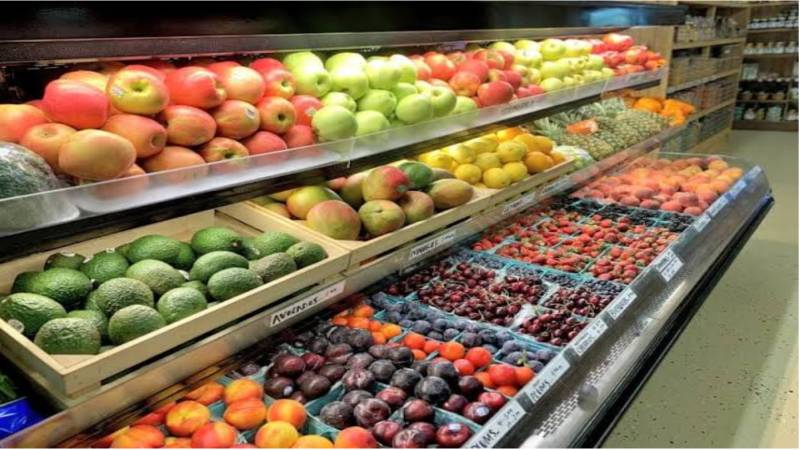
Meal prepping used to mean a Sunday afternoon surrounded by plastic containers, frozen proteins, and whatever was on sale at the grocery store that week. For a lot of people, that routine still works well enough. But a growing number of home cooks are quietly changing where they start. Instead of heading to a big-box supermarket, they are walking into farm markets first, and the shift is making a noticeable difference in how their meals turn out.
It is not a trend driven by social media or diet culture. It is simpler than that. When you start with better ingredients, the food is better. And farm markets, almost by definition, are built around fresher, higher-quality ingredients than what most chain grocery stores can consistently deliver.
The Meal Prep Problem Nobody Talks About
There is a frustrating pattern that a lot of meal preppers run into. You cook on Sunday, everything looks great. By Wednesday, the vegetables are soft, the eggs have a flat taste, and the food you worked hard to prepare feels like it has lost something.
A big part of that problem is ingredient quality at the point of purchase. Produce in a grocery store has often traveled hundreds or even thousands of miles before it reaches the shelf. It is picked before it is fully ripe so it can survive the journey. By the time you buy it, it may have been sitting in cold storage or transit for days, sometimes longer.
When you shop at a farm market, the timeline is compressed. Produce is often harvested within a day or two of being sold. That shorter window between field and kitchen means the food holds its texture, flavor, and nutrients longer, which matters a great deal when you are cooking food that needs to last through the week.
Why Fresh Eggs Change the Whole Meal Prep Game
Ask any meal prepper what proteins they rely on most and eggs will almost always come up near the top of the list. They are versatile, affordable, quick to cook, and work across breakfast, lunch, and dinner applications. They hold up well when stored properly and reheat better than most other proteins.
The difference between a farm-fresh egg and a standard grocery store egg is hard to appreciate until you have cracked both side by side. The yolk on a fresh farm egg is noticeably richer in color, deeper orange rather than pale yellow, and the whites are firmer and less runny. The flavor is fuller, more like what an egg is supposed to taste.
For meal preppers, this matters because eggs are often used in large batches. Hard-boiled eggs for grab-and-go snacks. Frittatas portioned for the week. Egg bakes loaded with vegetables. When the base ingredient is this much better, everything built around it improves.
Farm markets that carry fresh eggs, especially those sourced from local farms with shorter supply chains, consistently offer a product that performs better in the kitchen than what you find in a refrigerated grocery aisle.
Seasonal Ingredients Make Meal Planning More Intuitive
One thing that experienced meal preppers figure out over time is that fighting the season is a losing battle. Trying to build flavorful meals around out-of-season tomatoes in January, or bland squash that has been sitting in a warehouse, makes the whole process harder than it needs to be.
Farm markets naturally guide you toward what is actually ripe and good right now. That is not a limitation. It is a planning advantage.
When sweet corn is in season, you build meals around sweet corn. When tomatoes are at their peak, you roast them, blend them into sauces, and slice them into grain bowls. When squash and root vegetables arrive in fall, your meal prep shifts in that direction. The food is better, the prep is easier, and your meals feel cohesive rather than scattered.
This seasonal rhythm that farm markets naturally operate on is one of the most underrated benefits for people who cook in large batches. You are not guessing at quality. You are working with what the season is already giving you.
More Than Produce: What Farm Markets Actually Offer Meal Preppers
The image most people carry of a farm market is a row of produce bins and maybe some flowers. That picture is a little outdated. Many farm markets today offer a much wider range of products that align perfectly with what meal preppers actually need.
Fresh eggs are a staple at most farm markets, and as mentioned, the quality difference is significant. Baked goods like fresh bread and rolls can anchor a week of lunches in a way that packaged bread simply does not. Prepared foods and ready-to-eat items give meal preppers something to fall back on for busy days without completely derailing their planning. Smoked and BBQ meats can be portioned and stored as a ready-made protein source that adds real flavor depth to grain bowls, sandwiches, and wraps throughout the week.
Some farm markets have expanded into small café operations, offering specialty coffee, sandwiches, and grab-and-go items. This adds a layer of convenience that makes the trip worthwhile even on a week when you do not have a big cooking session planned. You pick up what you need for the week and grab something ready-made for the day. One stop, multiple needs covered.
The Batch Cooking Advantage Starts Before You Get to the Kitchen
Experienced meal preppers often talk about mise en place, the idea of having everything in its place before you start cooking. What is less discussed is that the quality of what goes into that mise en place determines the ceiling for everything that follows.
Shopping at a farm market builds better mise en place by default. You are starting with eggs that have more structure and flavor. You are starting with produce that has not been sitting in transit for a week. You are starting with proteins that have a shorter, often more transparent supply chain.
That upstream quality advantage compounds. Your frittata holds together better. Your roasted vegetables caramelize properly because their sugar content is where it should be. Your grain bowls taste finished rather than flat.
None of this requires any extra skill in the kitchen. It just requires starting with ingredients that are actually at their best.
What About Cost?
The question of cost comes up every time farm markets are mentioned, and it is fair to address it directly. Farm markets can carry a higher price per unit on some items compared to a discount grocery chain.
But cost per meal is a more useful number than cost per item. When your produce does not wilt by Tuesday, you are not throwing half of it away. When your eggs taste better and have more structure, you use fewer of them to get the same result in a recipe. When your ingredients actually satisfy you, you are less likely to reach for takeout to compensate for a meal that is disappointing.
For people who meal prep consistently, the math tends to even out, and in many cases, the quality improvement more than justifies any difference in price.
The Routine Itself Has Value
There is something else that regular farm market shoppers notice that is harder to quantify. The routine of going, seeing what is in season, talking to the people who grew or made the food, and making choices based on what looks best that week changes your relationship with cooking.
Meal prepping can feel like a chore when it starts at a fluorescent-lit grocery store with a list you already resent writing. It tends to feel more like intention when it starts at a farm market where the food is visibly at its best and the selection is tied to what is actually happening outside right now.
That shift in feeling is not a small thing. Consistency in meal prepping depends heavily on how the habit feels week to week. A routine that feels connected to real food, real seasons, and real people is easier to sustain than one that does not.
A Simple Starting Point
If you have not tried building your meal prep routine around a farm market visit, the easiest way to start is small. Pick two or three core ingredients, fresh eggs, one or two seasonal vegetables, and maybe a protein, and plan your week’s meals around those. Let the farm market inform the menu rather than the other way around.
Most people who try this approach do not go back to starting at a grocery store. The food is better, the planning becomes more intuitive, and the whole process feels less like a weekly obligation.
Farm markets have been doing this for a long time. Meal preppers are just now catching up.See More