
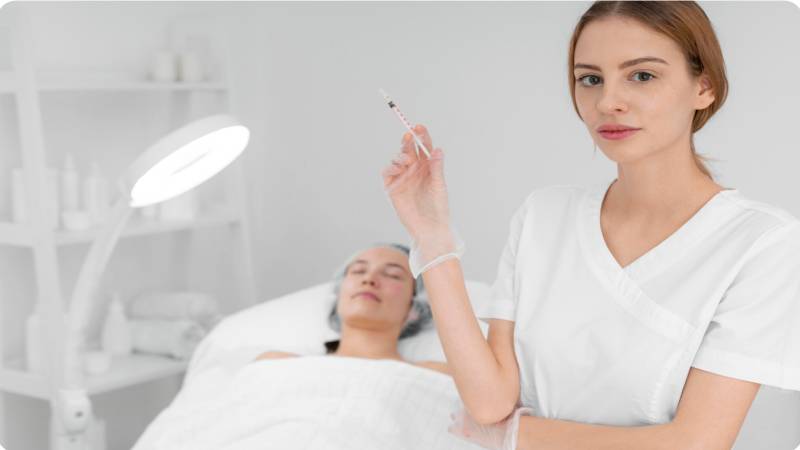
Microneedling has become one of the most popular non-surgical cosmetic treatments available today. As clinic technology has advanced, the SkinPen has emerged as one of the most clinically validated microneedling devices on the market, offering a precise and controlled approach to collagen induction therapy. Understanding what this treatment involves, what results are realistic, and how to choose the right provider makes a significant difference to your outcome.
What Is SkinPen Microneedling?
SkinPen is an FDA-cleared microneedling device that uses a series of fine needles to create controlled microchannels in the skin. These tiny punctures trigger the skin’s natural wound-healing response, stimulating the production of collagen and elastin. Unlike deeper ablative treatments, SkinPen works with the skin’s existing regenerative mechanisms rather than removing layers of tissue.
The result, over multiple sessions, is a gradual improvement in skin texture, tone, and firmness. It is particularly effective for addressing acne scarring, fine lines, enlarged pores, and uneven pigmentation. Unlike some laser treatments, SkinPen works across a range of skin tones without the risk of post-inflammatory hyperpigmentation that higher-energy light-based treatments can carry.
Those seeking skinpen microneedling in Riyadh will find specialist clinics equipped with the FDA-cleared SkinPen device, often combined with targeted serums applied during treatment to address specific skin concerns more effectively.
What to Expect During and After Treatment
A SkinPen session typically takes 30 to 45 minutes, including the application of a topical numbing cream to ensure comfort. The treatment involves passing the device systematically across the treatment area, creating uniform microchannels at a controlled depth. Depth settings are adjusted based on the concern being treated and the area of the face or body.
After treatment, the skin typically appears red and feels similar to mild sunburn. This resolves within 24 to 48 hours for most people. Aftercare involves avoiding sun exposure and active cosmetic ingredients for several days post-treatment.
How Many Sessions Are Needed
Most treatment plans recommend a series of three to six sessions, spaced four to six weeks apart. This spacing allows the skin’s collagen remodeling process to progress between sessions. Maintenance sessions every six to twelve months help sustain long-term results.
For deeper concerns such as significant acne scarring, more sessions may be needed, and your clinician may recommend combining microneedling with complementary treatments for optimal outcomes.
Frequently Asked Questions
Q: Is SkinPen suitable for all skin types?
A: Yes. One of SkinPen’s key advantages over some laser-based treatments is its suitability across all Fitzpatrick skin types, including darker skin tones that may be at higher risk of pigmentation changes with other modalities.
Q: How soon will I see results?
A: Some improvement in skin texture and radiance can be visible within one to two weeks of the first treatment. More significant changes develop gradually over two to three months as new collagen matures.
Q: Is the procedure painful?
A: A topical numbing cream applied beforehand makes it well-tolerated for most people. You may feel mild pressure or light scratching in some areas, but significant pain is uncommon with proper preparation.
Q: Can microneedling be done on the body as well as the face?
A: Yes. SkinPen can be used on the neck, décolletage, hands, and body areas where skin texture improvement is desired, including stretch marks.
Q: How does SkinPen differ from home microneedling rollers?
A: Medical-grade devices like SkinPen allow precise depth control, use sterile single-use cartridges, and are applied with professional technique. Home dermarollers carry significantly more risk of inconsistent results and infection. Clinical outcomes from SkinPen are considerably more predictable.See More