
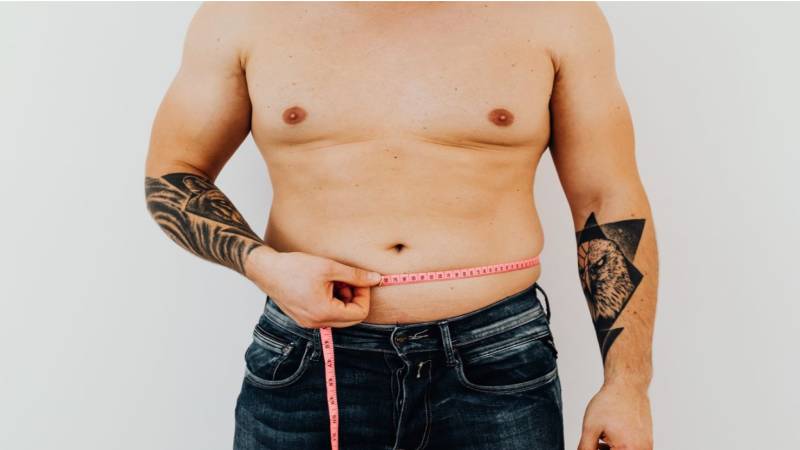
You’ve probably seen it happen. Someone eats well, stays active, and still has a few spots that cling on like a burrito wrapper in the car. That’s one reason people start looking into body contouring. It’s often less about chasing perfection and more about feeling comfortable in your own skin again. Whether you’re in Fayetteville or another community, weight changes, pregnancy, and normal ageing can leave your body looking different than you expected. That can be frustrating, and you’re definitely not the only one who feels that way.
Why people explore body contouring
A lot of people look into body contouring because certain areas just don’t respond the way they want. You can do squats until your legs file a complaint, but some pockets of fat still stay put. That can make you feel like your effort and your reflection are having two totally different conversations.
For some, the goal is simple. They want jeans to fit better or a shirt to lay smoother. Others are adjusting to changes after pregnancy or weight loss and want a little more shape and balance. If that sounds familiar, learning about liposuction in Fayetteville may come up as part of that conversation.
It’s not always about vanity either. Sometimes it’s about comfort, confidence, and feeling more like yourself in daily life.
Common trouble spots
Some body areas tend to annoy people more than others. The abdomen is a big one because it can hold onto fat even when the rest of your body changes. Thighs are another common frustration, especially when clothes fit well everywhere except there. Arms, back rolls, and under the chin also show up on a lot of people’s mental “really?” list.
These spots can affect more than appearance. You might avoid certain tops because of your arms. You may choose looser pants because your thighs feel snug in styles you actually like. Even a small area under the chin can make people feel self-conscious in photos or video calls.
What makes this tricky is that these concerns are personal. One person barely notices them. Another thinks about them every time they get dressed. Both reactions are valid, and both are pretty common.
What treatment can do
Body contouring procedures are generally meant to shape and refine areas, not turn you into a whole new human by Tuesday. That’s an important difference. These treatments usually target stubborn fat pockets to help create a smoother or more balanced look.
If you’re expecting a magic eraser for weight loss, that’s probably not the right frame. This type of procedure works better for people who are already near a stable weight and want help with specific areas that don’t seem to budge. Think polishing, not starting from scratch.
Results can include a flatter-looking midsection, better definition in certain areas, or an easier fit in clothing. Those changes can feel meaningful even when they’re subtle. In real life, small improvements often matter a lot because you notice them every single day.
Questions worth asking
If you’re thinking about a consultation, show up curious. Ask whether you’re a good candidate based on your goals, health, and current weight. That matters because body contouring isn’t one-size-fits-all. A good provider should explain why something may or may not suit you.
You’ll also want to ask what recovery usually looks like. How much downtime is typical? When can you drive, work, exercise, or pickup your kids without feeling like a creaky robot? Those details affect real life more than fancy before-and-after photos.
It also helps to ask how long results may last and what realistic expectations look like. If you keep a stable weight, results often hold up better. Ask what kind of change is likely, not just what’s possible on a perfect day with perfect lighting.
Planning for recovery
Recovery goes more smoothly when you plan ahead instead of winging it. If possible, set aside time off from work, especially if your job keeps you on your feet. Even if you feel tough, your body still needs time to settle and heal.
It’s smart to have a little help lined up for the first few days. That might mean someone driving you home, helping with errands, or keeping meals simple. Loose and comfortable clothing is also your friend here. This is not the moment for stiff jeans with a personal grudge.
Follow aftercare instructions closely, even if you’re tempted to freestyle. Things like wearing compression garments, attending follow-up visits, and easing back into activity can make a difference. Recovery is usually temporary, but being prepared can make it feel muchless overwhelming.
Confidence and daily life
Feeling better in your body can change small daily moments in a big way. You may stop overthinking what to wear in the morning. You might feel more relaxed at social events or less tempted to hide from cameras like they’re wild raccoons.
Confidence also has a sneaky way of showing up in other habits. When you feel comfortable with your shape, you may feel more motivated to stay active, keep healthy routines going, or wear clothes you used to skip. It’s not about becoming perfect. It’s aboutfeeling more at ease in your own routine.
For many people, that comfort matters more than dramatic change. If your clothes fit better and you feel less distracted by one stubborn area, that can be enough to make everyday life feel lighter and more enjoyable.
Making a thoughtful choice
If you’re considering body contouring, take your time. Research providers carefully and look for someone experienced who listens well and explains things clearly. You want honesty, not a sales pitch dressed up in scrubs.
It helps to be realistic about what you want. A thoughtful choice usually comes from knowing your goals, understanding the recovery, and being clear on what the treatment can and can’t do. If your expectations are grounded, you’re more likely to feel happy with theprocess.
Most of all, make the choice for you. Not for trends, not for pressure, and not because someone on social media has suspiciously perfect lighting. The right path should fit your body, your lifestyle, and your comfort level. When it does, you can move forwardfeeling informed, confident, and a little less annoyed by that one stubborn spot.See More