
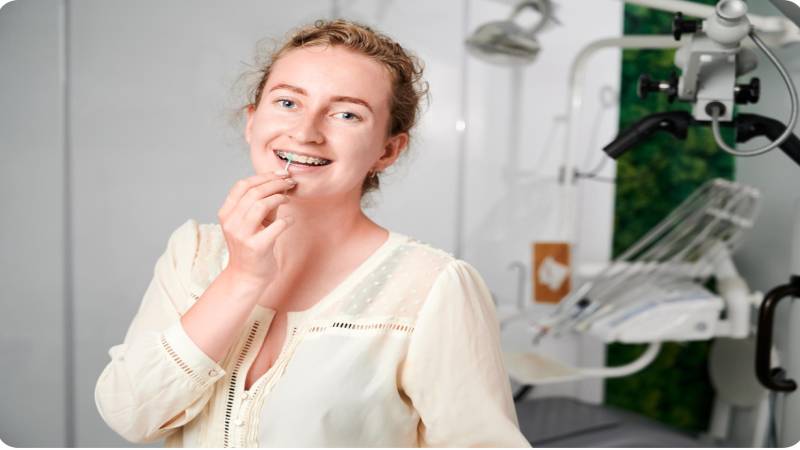
There’s a common assumption that orthodontic treatment is something reserved for adolescence, a phase of life with brackets and headgear that ends by the time someone finishes high school. But a growing number of adults are pursuing orthodontic treatment well into their thirties, forties, and beyond, and the reasons reveal how outdated that assumption really is.
Why So Many Adults Skipped Treatment Earlier
Not everyone had access to orthodontic care as a teenager. Cost, awareness, or simply not being flagged as a candidate at the time all play a role in why many adults reach later life with alignment issues that were never addressed. Others had treatment as teenagers but experienced relapse over the years, particularly if retainer wear wasn’t maintained consistently after the original treatment ended.
Whatever the reason, the result is the same: a significant number of adults living with misalignment they’ve simply learned to accept, often without realizing treatment is still very much an option.
Does Age Actually Affect Treatment Success
The biological process that allows teeth to move, gradual remodelling of the bone and ligament tissue surrounding each tooth, doesn’t stop working after adolescence. Teeth can be moved effectively at nearly any age, provided the surrounding gum and bone health is stable enough to support the movement. This is why adult orthodontics has become such a well-established category of treatment rather than an unusual exception.
The main differences between adult and adolescent treatment tend to be practical rather than biological; adult jaws have finished growing, which can occasionally mean certain corrections take a different approach, and adults are more likely to have existing dental work, like crowns or fillings, that needs to be factored into the treatment plan.
What’s Changed to Make Adult Treatment More Appealing
Modern orthodontic treatment looks considerably different than it did decades ago. Clear aligner systems offer a far less visible option than traditional metal brackets, which has removed one of the biggest barriers that previously kept adults from pursuing treatment: the visibility and social self-consciousness associated with wearing braces as a working professional.
Treatment planning has also become more precise, often allowing for shorter timelines in cases involving mild to moderate misalignment, compared to the more generalized approaches of earlier decades.
Making the Decision
For adults considering orthodontic treatment in Edmonton, a consultation typically starts with a full assessment of bite alignment, tooth positioning, and overall oral health, which helps determine realistic timelines and the most suitable approach for the individual case.
It’s Rarely “Too Late”
Age alone is rarely a disqualifying factor for orthodontic treatment. What matters more is your current oral health and a clear understanding of what treatment can realistically achieve. For adults who have spent years assuming their window for a straighter smile has closed, it’s usually worth a second look; the assumption is often outdated well before the biology actually is.See More