
Missing teeth can affect much more than your smile. They can make chewing uncomfortable, change the way you speak, affect facial appearance and make everyday social situations feel less natural. Fortunately, modern dentures can provide a practical and personalised way to replace missing teeth and restore everyday function.
If you are searching for dentures in Brunswick or looking for “dentures near me”, the most important question is not simply where to get dentures. It is which type of denture is right for your mouth, lifestyle and oral health.
Dentures can be full or partial, and they can be made from different materials depending on your individual circumstances. The Australian Dental Association explains that dentures can replace one or more missing teeth and may be either a temporary or longer-term tooth-replacement option.
This guide explains what to consider when choosing the best dentures in Brunswick, including denture types, materials, fit, appearance, comfort, maintenance and the questions you should ask your dentist before treatment.
What Are Dentures?
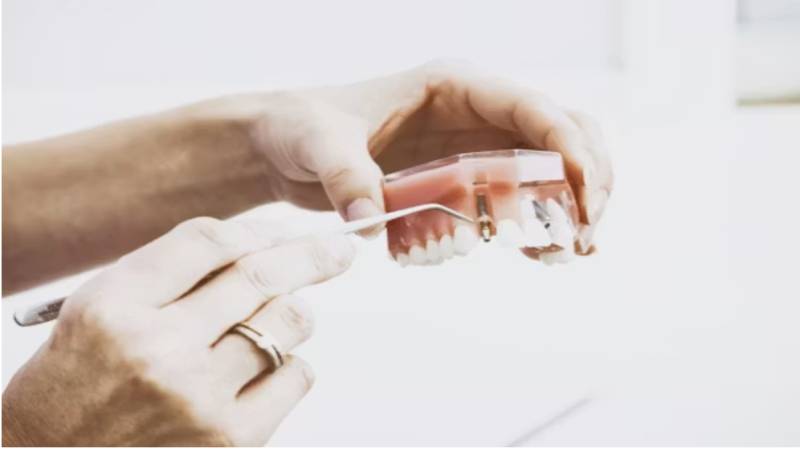
Dentures are custom-made removable dental appliances designed to replace missing teeth. Depending on how many teeth you have lost, a dentist may recommend a full denture, partial denture or, in suitable cases, an implant-retained denture.
Dentures are designed not only to replace missing teeth but also to help restore chewing, speech and facial support. Full dentures can replace all teeth in the upper or lower jaw, while partial dentures replace selected missing teeth when some natural teeth remain.
A good denture should be more than a replacement for missing teeth. It should be appropriately designed for your mouth and should complement your natural facial appearance.
How Do You Choose the Best Dentures in Brunswick?
There is no single type of denture that is best for every patient. The right choice depends on factors such as:
- How many teeth are missing
- Whether you still have healthy natural teeth
- The condition of your gums and jawbone
- Your bite and oral function
- Your cosmetic preferences
- Your budget
- Your lifestyle
- Whether you want a removable or implant-supported option
- How important stability and retention are to you
A dental examination is therefore an important first step. Your dentist can assess your remaining teeth, gums, bite and overall oral health before recommending an appropriate option.
Types of Dentures Available
1. Full Dentures
Full dentures, also called complete dentures, are designed for people who have lost all the teeth in an upper or lower jaw.
They sit over the gums and replace an entire arch of teeth. Full dentures can help restore chewing ability, speech and facial support.
If you have lost all the teeth in one jaw, a full denture may be considered as part of your tooth-replacement plan.
2. Partial Dentures
If you still have some natural teeth, a partial denture may be suitable.
Partial dentures replace missing teeth while working alongside your remaining natural teeth. They can be made using acrylic or a combination of acrylic and lightweight metal, such as cobalt chrome.
One of the major advantages of partial dentures is that they can replace several missing teeth without requiring every remaining tooth to be removed.
However, your remaining teeth and gums need to be assessed carefully because they can provide important support for the denture.
3. Implant-Retained Dentures
Implant-retained dentures are another option for selected patients.
Rather than relying solely on the gums for support, the denture is attached to dental implants positioned in the jaw. This can provide additional stability compared with a conventional removable denture.
Healthdirect identifies implant-retained dentures as one of the main denture options and explains that they can be removed by the patient while being supported by implants.
Whether this option is appropriate depends on factors including your oral health, available bone, general health and treatment goals.
Acrylic vs Metal Dentures: Which Is Better?
The material used for your dentures can influence their appearance, weight, strength and overall design.
Acrylic Dentures
Acrylic dentures are commonly used for both full and partial dentures.
Potential advantages include:
- Versatility
- Aesthetic appearance
- Relatively straightforward adjustments
- Suitability for many patients
- Ability to replace multiple teeth
Acrylic may be particularly useful where a full denture is required.
Cobalt Chrome Dentures
Some partial dentures can be made using a lightweight cobalt chrome framework combined with acrylic components.
The metal framework can provide a different approach to support and stability compared with an acrylic-only partial denture.
The Australian Dental Association notes that partial dentures may be made from plastic or a combination of lightweight cobalt chrome and plastic, with the choice depending on the individual situation.
The best material is not necessarily the most expensive one. Your dentist should recommend the material based on your oral health, remaining teeth, functional requirements and aesthetic expectations.
What Makes a Good Denture?
When choosing dentures, don’t focus only on how they look.
A well-designed denture should aim to provide a combination of:
Comfort
Your dentures should be designed to fit your mouth as comfortably as possible. Some adjustment is normal when first wearing dentures, but persistent pain, rubbing or sores should be discussed with your dentist.
Stability
Dentures need to remain reasonably stable during everyday activities such as eating and speaking.
If dentures repeatedly move or become uncomfortable, your dentist may need to assess the fit and make adjustments.
Natural Appearance
Modern dentures can be designed to resemble natural teeth. The colour, shape and arrangement of the artificial teeth can be selected to complement your facial features and remaining teeth.
The Australian Dental Association notes that denture teeth can be matched according to colour and shape.
Function
One of the main reasons people replace missing teeth is to improve everyday oral function. Dentures can help restore the ability to chew and can support clearer speech after an adjustment period.
What Happens During the Denture Process?
Getting dentures is usually a process rather than a single appointment.
Your treatment may involve several stages.
Step 1: Dental Assessment
Your dentist first evaluates your mouth, remaining teeth, gums and bite.
If you still have natural teeth, their health and long-term prognosis can influence the denture design.
Step 2: Treatment Planning
Your dentist discusses the available options with you.
This is where you can talk about:
- Appearance
- Materials
- Comfort
- Stability
- Budget
- Maintenance
- Long-term expectations
Step 3: Impressions or Digital Scanning
Your mouth needs to be accurately recorded so the denture can be made to fit your individual anatomy.
Depending on the clinic and treatment plan, conventional impressions or digital technology may be used.
Step 4: Denture Design and Fabrication
The dental laboratory uses the information collected during your appointments to create your denture.
The teeth can be selected and arranged to provide an appropriate appearance and bite.
Step 5: Fitting
Once the denture is ready, your dentist checks its fit and function.
Adjustments may sometimes be required, particularly as you become accustomed to wearing your new dentures.
Step 6: Follow-Up
Follow-up appointments are important.
Your dentist can assess comfort, function and fit and make adjustments where necessary.
How Long Does It Take to Get Used to New Dentures?
It is normal for new denture wearers to need an adjustment period.
You may initially notice:
- Increased saliva
- Mild gum tenderness
- A different feeling in your mouth
- Changes in speech
- Difficulty with certain foods
These issues can improve as your mouth becomes accustomed to the dentures. If pain or discomfort persists, however, do not simply continue wearing them and hope the problem disappears.
A professional adjustment may be required.
How Should You Care for Dentures?
Good denture care is essential for maintaining your appliance and supporting your oral health.
Clean your dentures regularly according to your dentist’s instructions. You should also continue looking after your natural teeth and gums if you have them.
Your daily routine may include:
- Removing and cleaning your dentures as recommended.
- Cleaning your remaining natural teeth carefully.
- Cleaning your gums and mouth.
- Handling dentures carefully to reduce the risk of damage.
- Following your dentist’s instructions for overnight wear and storage.
- Attending regular dental appointments.
The Australian Dental Association recommends discussing denture care with your dental professional, particularly if your dentures become loose or uncomfortable.
When Should You Replace Your Dentures?
Dentures do not necessarily last forever.
Over time, changes in the gums, jaw and oral tissues can affect the fit. Your denture may also experience normal wear and tear.
Signs that you may need your dentures assessed include:
- Increasing looseness
- Difficulty chewing
- Frequent slipping
- Cracks or damage
- Persistent irritation
- Changes in speech
- Significant wear of the artificial teeth
- Difficulty keeping the denture clean
- Changes in your facial or bite relationship
Rather than waiting until your dentures become unusable, regular dental check-ups can help identify problems earlier.
Dentures vs Dental Implants
If you are choosing between dentures and dental implants, it is important to understand that these treatments work differently.
Dentures are removable appliances that replace missing teeth.
Dental implants are placed into the jawbone and can be used to support crowns, bridges or implant-retained dentures.
For some patients, conventional dentures may be a practical and cost-effective solution. The Better Health Channel notes that dentures are generally more affordable than some other tooth-replacement options.
For others, implants may provide benefits related to stability and function.
The right choice depends on your individual circumstances rather than simply choosing the most expensive treatment.
How Much Do Dentures Cost in Brunswick?
The cost of dentures can vary considerably because there is no single denture treatment.
Factors that may affect the price include:
- Full or partial dentures
- Acrylic or metal framework
- Number of teeth being replaced
- Complexity of the case
- Additional dental treatment required
- Laboratory fees
- Adjustments and follow-up care
- Whether implants are involved
For this reason, it is better to receive an individualised treatment plan rather than relying on a generic online price.
If you are comparing dentures near me, ask your Brunswick dentist for a written explanation of what is included in the quoted fee.
Questions to Ask Before Choosing Dentures
Before starting treatment, consider asking your dentist:
Which type of denture is suitable for me?
Your dentist should explain why a particular option is appropriate for your teeth, gums and bite.
What material do you recommend?
Ask about the advantages and limitations of acrylic and metal-based options.
How will my dentures look?
Discuss tooth colour, shape and arrangement if appearance is important to you.
How stable will they be?
Ask what you can realistically expect during eating and speaking.
Will I need any treatment before getting dentures?
Some patients may require treatment for gum disease, damaged teeth or other oral health problems first.
How should I care for my dentures?
Your dentist should provide specific cleaning and storage instructions.
Will I need follow-up appointments?
Ask whether adjustments are included and what happens if the denture becomes uncomfortable.
Why Choose a Brunswick Dentist for Your Dentures?
Choosing a nearby dental practice can make the treatment process easier, particularly because dentures may require assessment, fitting and follow-up adjustments.
If you live in Brunswick, consulting with a local dental team Hope Street Family Dental means you can attend appointments conveniently and discuss any concerns as you adapt to your dentures.
They provide denture treatment in Brunswick and lists dentures among its dental services. The clinic is located at Unit G1/10-14 Hope St, Brunswick VIC 3056.
The practice also states that it uses digital impression technology as part of its dental care approach.
Choosing the Best Dentures in Brunswick: Key Takeaways
The best dentures are not necessarily the most expensive dentures. They are the ones that are appropriately designed for your mouth, your oral health, your appearance and your lifestyle.
When comparing dentures in Brunswick, consider:
- Whether you need full or partial dentures
- The health of your remaining teeth and gums
- Acrylic versus metal-based materials
- Comfort and stability
- Natural appearance
- Maintenance requirements
- Follow-up and adjustment services
- Your long-term dental goals
- The total treatment cost
Most importantly, have your options assessed by a qualified dental professional before making a decision.
Restore Your Smile with the Right Dentures in Brunswick
Living with missing teeth does not mean you have to compromise on your ability to eat, speak or smile confidently.
Whether you need a full denture, partial denture or are considering an implant-retained solution, the first step is a professional assessment. Your dentist can explain the available options and help you choose a solution based on your oral health, comfort, appearance and long-term goals.See More