
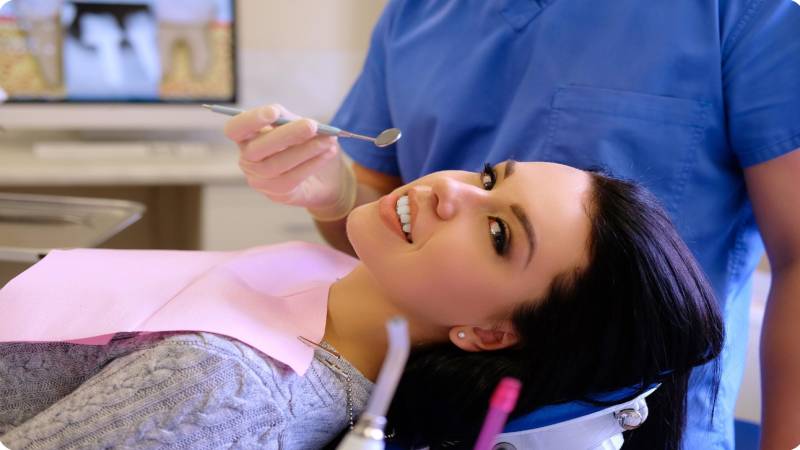
A chipped front tooth from a childhood bike accident. A crack from biting down on something hard years ago. Many adults carry minor dental imperfections for decades, having gotten used to them or assuming fixing them would require something more involved than it actually does. Composite bonding in Edmonton offers a surprisingly simple solution for exactly this kind of long-standing, minor imperfection.
Why These Old Imperfections Often Go Unaddressed
There’s a common pattern among adults with a decades-old chip or crack: the imperfection happened so long ago that it’s simply become part of how they see their own smile, something they’ve mentally filed away as permanent rather than fixable. Many assume correcting it would require an extensive procedure, a crown, or something equally involved, when in reality, a minor imperfection that’s been stable for years is often one of the more straightforward cases for composite bonding to address.
How Bonding Addresses Long-Standing Damage
The process for an old chip or crack works the same way as it would for a recent one: a tooth-coloured resin is applied directly to the affected area, shaped to restore the tooth’s natural contour, and hardened in place. Because the material can be closely matched to surrounding tooth colour, even decades-old discoloration around an old chip can be addressed in the same visit, blending seamlessly rather than remaining a visible reminder of whatever happened years earlier.
Why Now Might Be a Good Time
For many adults, the decision to finally address a long-standing chip comes down to simply realizing it’s a much smaller fix than they assumed. Unlike a childhood or young-adult mindset where cost or time might have felt prohibitive, many adults revisiting the issue years later have both the means and the motivation to finally address something that’s quietly bothered them for a long time.
What to Expect During the Appointment
Bonding for an old imperfection typically requires no more preparation than for a new one: the tooth is prepared, the resin applied and shaped, and the result hardened and polished, usually completed in a single visit without an extended treatment timeline. For patients who’ve spent years mentally adjusting to a smile they weren’t entirely happy with, seeing the correction completed in under an hour often feels disproportionately satisfying relative to how simple the actual procedure was.
Durability for Long-Term Peace of Mind
While composite bonding isn’t as permanent as porcelain options like veneers or crowns, it holds up well for everyday use over several years, particularly for adults who’ve already demonstrated, by living with the original imperfection for years without further damage, that the affected tooth isn’t under unusual daily stress.
Finally Addressing What’s Been Put Off
For anyone who’s grown used to a minor chip or crack from years past and assumes it’s simply a permanent part of their smile, it’s worth revisiting that assumption. What feels like a long-standing, unchangeable imperfection is often a remarkably simple, single-visit fix, one that many patients wish they’d addressed years earlier once they see how straightforward the process actually is.See More