
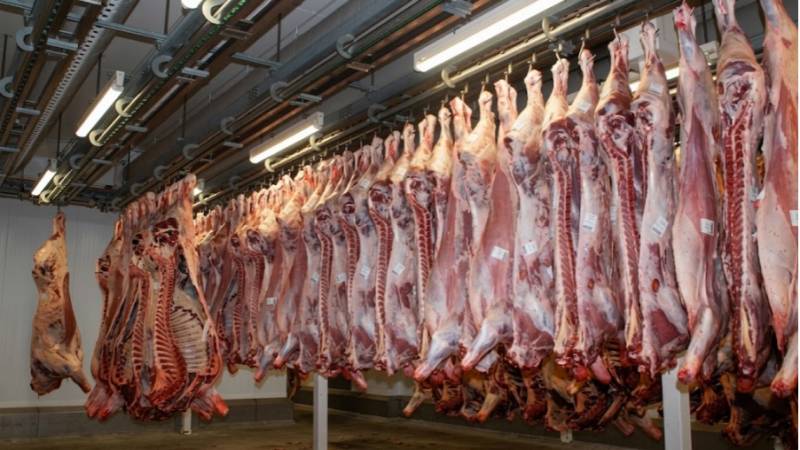
Selecting the appropriate beef cut is essential for achieving the desired texture, flavour, and cooking outcome in any recipe. Different cuts offer varying levels of tenderness, fat content, and cooking times. To ensure the best culinary results, consulting beef butchery experts can provide valuable guidance tailored to specific dishes.
Understanding Beef Cuts
Beef is divided into primal cuts, which are then further broken down into subprimal cuts and retail cuts. The major primal cuts include chuck, rib, loin, round, brisket, shank, and flank. Each primal cut has distinct characteristics suitable for various cooking techniques.
Chuck
The chuck comes from the shoulder portion and consists of tougher meat with substantial connective tissue. It is ideal for slow cooking methods such as braising or stewing, which tenderise the meat over time.
Rib
The rib section contains well-marbled cuts known for their tenderness and flavour. Ribeye steaks and prime rib roasts fall within this category and are excellent for grilling or roasting.
Loin
The loin is where premium cuts like sirloin, tenderloin, and T-bone steaks originate. This area produces some of the most tender beef, suitable for quick cooking methods like grilling, pan-frying, or broiling.
Round
The round is derived from the rear leg and is lean but can be tough. It benefits from slow, moist cooking methods or thin slicing for stir-frying or sandwiches.
Brisket
Located in the chest area, brisket is a tough cut that requires low and slow cooking methods such as smoking, braising, or slow roasting to break down collagen and render the meat tender.
Shank
The shank is the part of the leg and is very tough with abundant connective tissue. It is primarily used for making stocks or savoury stews due to its rich flavour after prolonged cooking.
Flank
The flank is a lean cut from the abdominal muscles and has a pronounced grain. It is best suited for marination and quick cooking methods such as grilling or stir-frying, served sliced against the grain.
Matching Beef Cuts with Cooking Techniques
Choosing the right cooking technique based on the cut selected significantly influences the flavour and tenderness of the final dish. Tougher cuts require slow, moist heat methods, while tender cuts are suitable for fast, dry heat applications.
Grilling and Broiling
Grilling and broiling apply high heat to tender cuts like ribeye, sirloin, and tenderloin, resulting in a richly flavoured surface with a juicy interior. These methods preserve the tenderness and are ideal for steaks and chops.
Roasting
Roasting is appropriate for larger, tender cuts such as prime rib or sirloin roasts. It involves cooking meat in an oven at moderate to high heat, which allows for even cooking and caramelised flavour development.
Braising and Stewing
Braising and stewing are suitable for tougher cuts like chuck, brisket, and shank. These methods involve cooking meat slowly in liquid over low heat, which breaks down connective tissues and imparts moisture and flavour.
Slow Cooking
Slow cooking utilises lower temperatures over extended periods, making it ideal for cuts with high collagen content. This process results in tender, flavourful meat perfect for shredded beef dishes.
Tips for Selecting Beef at CJ Butchery
When purchasing beef, it is important to consider the cut’s intended use and cooking method. CJ Butchery meat shop offers a wide selection of beef cuts tailored to various cooking needs and recipes. The staff at CJ Butchery provide expert advice on the best cuts for specific dishes, ensuring optimal results.
Inspecting the meat’s marbling is crucial as it affects flavour and tenderness. Well-marbled beef contains intramuscular fat that melts during cooking, enhancing succulence. Additionally, selecting fresh beef with a rich red colour and firm texture is advisable.
Additional Considerations
Understanding the difference between grass-fed and grain-fed beef can also influence the cooking approach and flavour profile. Grass-fed beef tends to be leaner with a distinct flavour, while grain-fed beef typically has more marbling and a milder taste.
Proper meat storage is essential to preserve quality. Beef should be stored at appropriate refrigeration temperatures and used within recommended timeframes to maintain freshness and safety.
Conclusion
Choosing the right beef cut matched with the correct cooking technique is fundamental for successful culinary results. Consulting CJ Butchery ensures access to quality beef and expert guidance that supports both amateur and professional chefs in achieving optimal flavour and texture for every recipe.
Careful selection, combined with suitable preparation and cooking methods, elevates the taste experience and maximises the potential of each beef cut.See More