
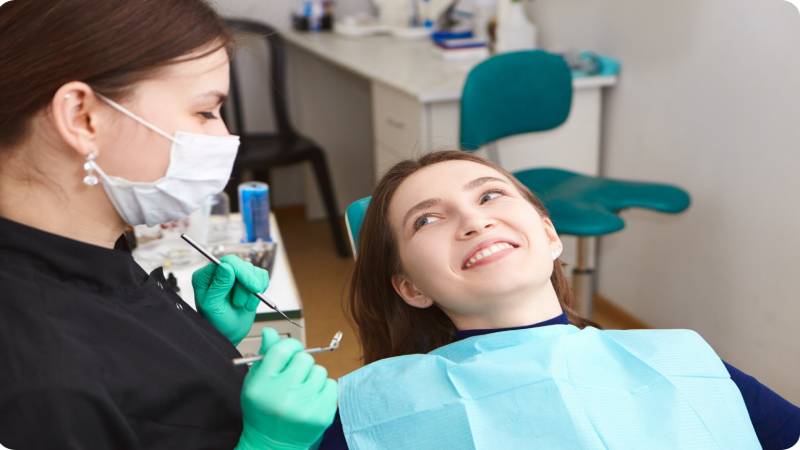
Professional teeth cleaning has come a long way from the standard scrape-and-polish routine most people grew up with. One method gaining attention in recent years is airflow cleaning, a technology that uses a controlled stream of air, water, and fine powder particles to remove plaque, surface stains, and light tartar buildup. But how does it actually compare to traditional scaling, and is it the better option?
How Traditional Scaling Works
Traditional scaling uses hand instruments or ultrasonic tools to physically scrape plaque and tartar off the tooth surface and below the gumline. It’s been the standard for decades because it’s effective, particularly for removing hardened tartar that has calcified onto the tooth. For patients with more significant buildup or early gum disease, scaling remains the more thorough option, since it can reach and clean below the gumline in ways that surface-level cleaning methods can’t.
The trade-off is that scaling can feel more intense, especially for patients with sensitive teeth or gums, and the scraping sensation itself is something many people find unpleasant even when it isn’t painful.
How Airflow Cleaning Works Differently
Airflow cleaning takes a gentler approach for surface-level cleaning. Instead of scraping, it uses a fine spray of air, water, and specially formulated powder to polish away surface stains and light plaque buildup. Patients often describe it as more comfortable than traditional scaling, and it tends to leave teeth feeling notably smooth immediately afterward.
The catch is that airflow cleaning isn’t a full replacement for scaling in every case. It’s most effective for surface stains, light plaque, and general polishing, rather than removing hardened tartar or addressing gum disease below the gumline. For many patients, it works best as a complement to routine scaling rather than a total substitute.
Which One Should You Choose
The right choice really depends on the current state of a person’s oral health. Patients with regular checkups, minimal tartar buildup, and mainly cosmetic concerns like surface staining from coffee, tea, or wine often find airflow teeth cleaning in Airdrie to be a comfortable and effective option for maintaining a bright, clean smile between deeper cleanings.
On the other hand, patients dealing with visible tartar, gum inflammation, or a longer gap since their last professional cleaning are usually better served by traditional scaling first, since it addresses buildup that airflow technology alone isn’t designed to remove.
A Combined Approach Often Works Best
Many dental practices now use both methods together, scaling to remove deeper buildup, followed by airflow polishing to finish with a smoother, brighter result. This combination allows patients to get the thorough cleaning that scaling provides, along with the comfort and shine that airflow technology adds on top.
Ultimately, neither method is inherently better across the board; the ideal approach depends on individual oral health needs, and a dental professional can usually determine the right combination during a routine checkup.See More