
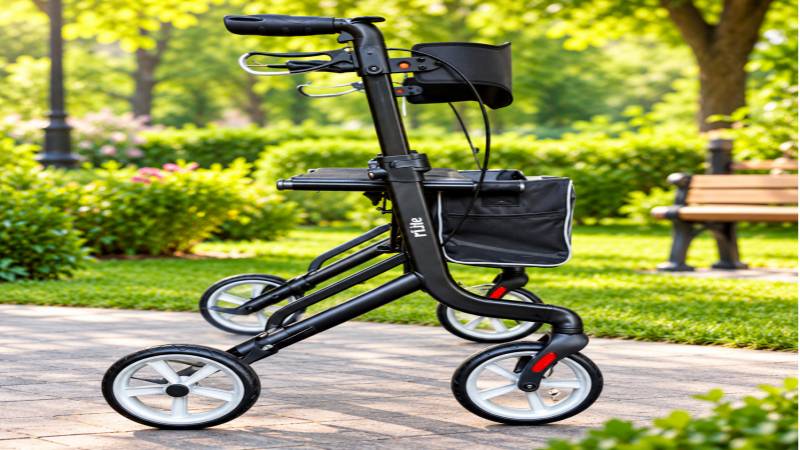
Selecting an appropriate walking aid is crucial for maintaining comfort, stability and independence in daily mobility. For those requiring additional support while moving, the right device can significantly enhance quality of life. Top Gun Mobility specialises in providing a range of walking aids, with options tailored to meet individual needs. A popular and effective choice is the mobility walker, which offers excellent stability and user support.
Understanding the Importance of Comfort
The primary consideration when choosing a walking aid is comfort. Discomfort can discourage regular use, potentially impacting mobility and independence negatively. Walking aids should fit the user appropriately, taking into account height, weight and physical condition. Ergonomically designed handles and carefully chosen materials contribute to reducing strain on hands and wrists.
Assessing Stability Needs
Stability is paramount in the selection of a walking aid. Different devices offer varying levels of support. Mobility walkers, for example, provide four points of contact with the ground, offering significant stability, especially for those with balance issues or weakness in the lower limbs. This superior stability reduces the risk of falls and instills confidence in the user.
Types of Walking Aids Available
There are several types of walking aids, each suited to different levels of mobility and support needs. These include canes, crutches, and walkers. Walkers generally offer more support than canes and are ideal for those requiring enhanced balance assistance. Many models of walkers come with features such as wheels, adjustable handles and seats to cater to individual preferences and mobility requirements.
The Role of Mobility Walkers
Among walking aids, mobility walkers represent a versatile option. They deliver excellent stability and enable users to maintain a more natural and upright posture while walking. Their frame supports weight evenly and can be customised with accessories such as baskets or trays, aiding in carrying personal items. For users seeking a balance between support and manoeuvrability, a mobility walker is often the preferred choice.
Choosing Based on Individual Needs
The choice of walking aid should be tailored to the individual’s physical condition, lifestyle, and daily activities. Factors such as the user’s level of strength, balance, and environment (indoors versus outdoors) influence the selection process. Trialling different devices, when possible, provides practical insight into comfort and usability.
Consultation with Healthcare Professionals
Engaging with healthcare providers such as physiotherapists or occupational therapists is advisable when selecting a walking aid. Their assessment can identify specific requirements and recommend the most suitable device. Professional guidance ensures the chosen aid supports safe and effective mobility.
Material and Weight Considerations
The construction material of a walking aid impacts its weight and durability. Lightweight aluminium is commonly used, offering ease of use and transport. Some models feature heavier, more robust frames for increased stability. Selecting an aid that balances weight and strength is important for user comfort and safety.
Adjustability and Customisation
Adjustable height and ergonomic features improve the fit and comfort of the walking aid. Devices that can be customised to suit the user’s measurements and requirements reduce the risk of strain and injury. Handles should be positioned to allow a natural grip and promote proper posture.
Transportation and Storage
Ease of transportation and storage is an important consideration. Foldable walkers allow users to store the device conveniently or transport it in a vehicle. Portability enhances the user’s ability to maintain independence when travelling or moving between locations.
Durability and Maintenance
A walking aid must be durable to withstand daily use. Quality materials and construction extend the product’s lifespan. Routine maintenance, such as checking brakes and wheels on wheeled walkers, ensures continued safety and performance.
Safety Features to Consider
Additional safety features, such as non-slip grips and reflective strips for visibility, contribute to user security. Brakes on walkers assist in controlled stopping and reduce accident risk. Selecting devices with these features enhances user confidence and safety.
Cost and Insurance Coverage
The cost of walking aids varies widely based on type, features and materials. Some health insurance plans may cover part or all of the cost of prescribed devices. Investigating coverage options helps alleviate financial considerations in acquiring high-quality mobility aids.
The Impact on Independence
Properly selected walking aids encourage independence by enabling users to perform daily activities with greater ease. Regaining or maintaining the ability to move comfortably improves overall wellbeing and social engagement.
Summary and Recommendations
Choosing the right walking aid involves assessing comfort, stability and individual mobility needs. Devices such as mobility walkers provide substantial support and can be tailored for enhanced usability. Consulting healthcare professionals and considering factors such as adjustability, durability and safety features are essential steps in making an informed selection. Top Gun Mobility offers expert guidance and a comprehensive range of walking aids to support clients in achieving optimum mobility and independence.See More