
Not every cosmetic dental concern requires an extensive treatment plan. For small chips, minor gaps, or discolouration that doesn’t respond to whitening, composite bonding in Vancouver offers a quick, effective way to make a noticeable improvement without committing to a lengthy process or a high cost.
What Composite Bonding Actually Involves
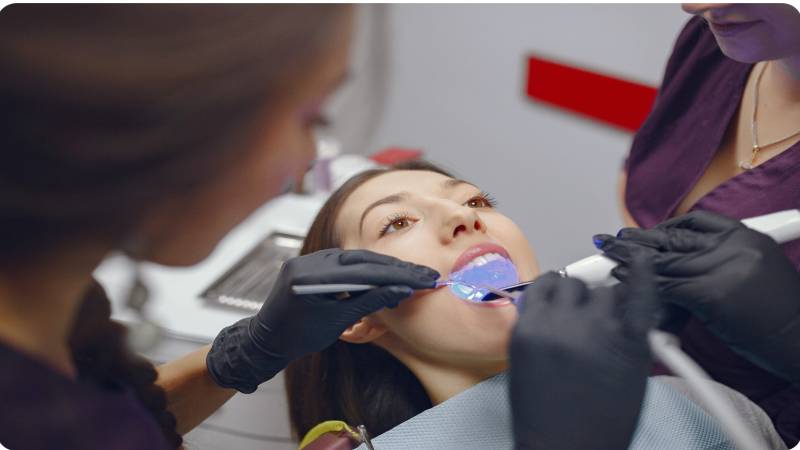
Composite bonding uses a tooth-colored resin material applied directly to the affected tooth. The material is shaped by hand to correct the specific imperfection, whether that’s filling a small gap, smoothing a chipped edge, or covering a discoloured area, and then hardened in place using a curing light. Because the resin can be closely matched to the surrounding natural tooth colour, the repair typically blends in seamlessly rather than standing out as an obvious fix.
Why It’s Often the First Recommendation
For patients with a single, isolated cosmetic concern, bonding is often one of the least invasive options available. Unlike veneers, which require some preparation of the natural tooth structure, bonding is applied directly to the existing tooth surface with minimal to no removal of healthy enamel. This makes it a conservative choice, particularly appealing for patients who want a meaningful improvement without a more permanent commitment.
The Same-Day Advantage
One of the most practical benefits of bonding is the timeline. Unlike veneers or crowns, which typically require lab fabrication and multiple visits, bonding is usually completed in a single appointment. The tooth is prepared, the resin is applied and shaped, and the patient leaves with a finished result the same day- no waiting period, no temporary restoration in the meantime.
What It’s Best Suited For
Bonding works particularly well for small chips, minor cracks, slight gaps between front teeth, and discolouration that doesn’t respond to whitening treatment. It’s a targeted fix rather than a comprehensive smile overhaul, making it well-suited for patients with one or two specific concerns rather than broader alignment or structural issues.
Durability and Long-Term Care
While composite bonding is durable for everyday use, it isn’t quite as long-lasting as porcelain veneers or crowns, and the material can be prone to staining or minor chipping over time, particularly with habits like nail-biting or frequent consumption of staining beverages like coffee or red wine. Most bonding holds up well for several years before needing a touch-up, which is a reasonable trade-off given the lower cost and faster turnaround.
Considering the Option
For anyone dealing with a small, specific cosmetic concern, this approach is often the most efficient starting point: low commitment, minimal cost relative to more extensive treatments, and a same-day result that can make a noticeable difference without requiring a significant time investment.See More