

If you’ve ever gotten a job offer with “pending background and screening” in the fine print, you already know the feeling.
A drug test is coming, and you’re not entirely sure what that means for you.
However, employment drug testing in the U.S. is far more predictable than most people assume. Once you understand why companies do it, when it happens, and which sample they’ll demand, the whole thing gets a lot easier to plan for.
What Is Employment Drug Testing?
Employment drug testing is the process an employer uses to screen employees for the presence of drug metabolites.
The word to focus on is metabolites, because they’re not the same as the drugs.
Most workplace tests look for the byproducts your body leaves behind after using a substance. So, they don’t test for impairment at the time of the test. Those byproducts can linger long after any effect has worn off.
This matters because a positive urine result doesn’t prove impairment on the clock. Instead, it shows whether a substance was used at some point inside the detection window. It’s an easy thing to get wrong, so it’s worth holding onto.
In the U.S., federally regulated testing follows guidelines set by the Substance Abuse and Mental Health Services Administration, and safety-sensitive transportation roles fall under Department of Transportation rules. Private employers outside those categories have more freedom. They’re still bound by state laws, which vary a lot depending on where you live and whether recreational cannabis is legal there.
When Is Employment Drug Testing Conducted?
Testing isn’t a single event. It shows up at different points in the employment relationship, and each one has its own trigger. Knowing them helps you predict when yours is likely to happen.
- Pre-employment: usually after a conditional offer and before your start date. This is the one most people run into, and often the only one at non-regulated jobs.
- Periodic: scheduled testing done at set intervals, often tied to an annual physical or a license renewal. Because the date is predictable, this is the easiest kind to prepare for.
- Random: employees are pulled from a pool without warning, using a selection process nobody controls. It shows up mostly in regulated industries, and its whole purpose is deterrence, since you can’t plan around a date you don’t know.
- Post-accident: conducted after a workplace incident to check whether substances were a factor. Timing here is tight, since a delay lets detection windows close.
- Reasonable suspicion: triggered when a trained supervisor observes specific behavior that points to impairment, like slurred speech or unsteadiness. It’s always meant to rest on documented observations.
- Return-to-duty: applies to someone coming back after violating a drug policy. A negative result is typically required before they can resume safety-sensitive work.
- Follow-up: unannounced testing that continues for a set period after a return to duty, usually under a monitoring agreement. It confirms the person is staying compliant over time.
If you want the federal framework spelled out in plain language, SAMHSA’s Drug-Free Workplace resources walk through how each of these is supposed to work.
Which Industries Test Most?
The more a role affects public safety, the more likely testing is to happen. Here’s a list of industries and sectors in which employment drug testing is common:
- Transportation: drivers, pilots, and rail crews fall under DOT rules, making this one of the most heavily tested sectors
- Healthcare: patient safety and access to controlled substances push hospitals and clinics toward broad, often extended, screening.
- Construction and manufacturing: heavy machinery and high injury risk make testing routine, especially post-accident.
- Energy and aviation: safety-sensitive roles here carry strict federal and regulatory testing requirements.
- Federal and public-safety positions: law enforcement, emergency services, and many government jobs require testing as a condition of the role.
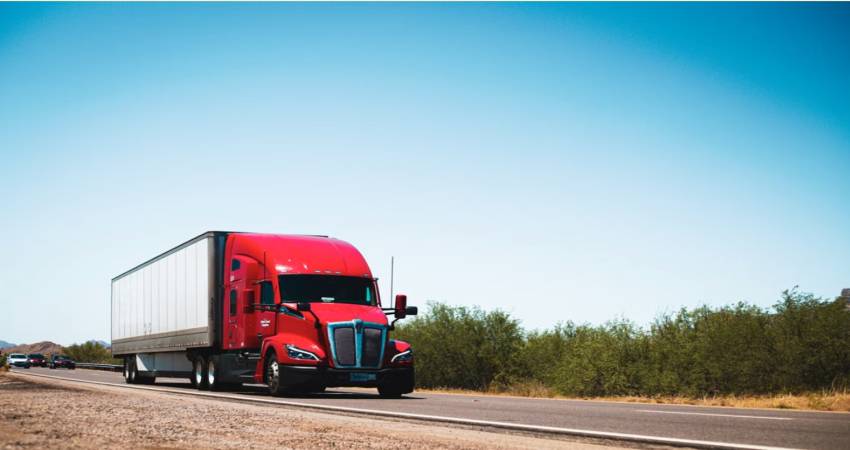 If your field involves heavy machinery, patient care, or moving the public from point A to point B, assume testing is part of the deal. A remote graphic designer at a small studio is far less likely to face a screen than a truck driver or a nurse.
What Types of Drug Tests Are There?
Employers can demand testing of several kinds of samples, and each one has its own strengths and detection window.
- Urine is by far the most common. It’s affordable and not as invasive as the other methods.
- Saliva (oral fluid) is quick to collect and better at flagging very recent use, since its window is shorter.
- Blood is accurate but invasive and expensive, so it’s rare in routine employment screening and reserved for specific situations.
- Hair offers the longest lookback, up to around 90 days, though it’s slower and pricier, and it won’t detect alcohol.
At-Home Urine Drug Tests: Know Where You Stand First
If you know a screen is coming, you don’t have to walk in blind. At-home urine tests use the same general cutoffs as workplace screens, so you can check your likely status days in advance and plan accordingly. They’re great screening tools for spotting a trend.
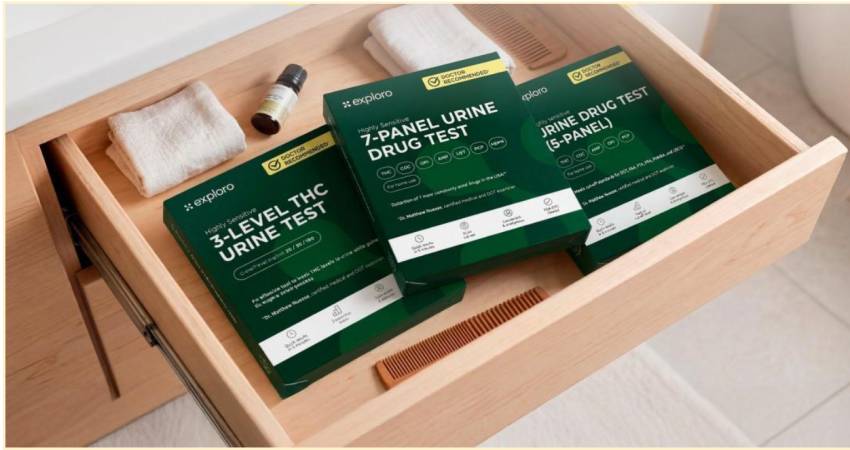 THC-Only Tests
If cannabis is your only concern, a single-analyte THC test is the most direct option. These typically use the familiar 50 ng/mL cutoff that matches federal and DOT screening. THC clears on a schedule that depends heavily on how often you use, your body composition, and your metabolism, which is why two people can stop on the same day and test differently a week later.
Because that timeline is so personal, guessing rarely works. If you want a realistic estimate based on your own habits and body, run your numbers through the Exploro THC Detection Calculator before you rely on a test date.
5-Panel Tests (DOT-Style)
The 5-panel is the workhorse of employment screening and the panel used in DOT-regulated testing. It covers the five substances most workplaces care about: marijuana, cocaine, amphetamines, opiates, and PCP. If you’re testing for a standard job and don’t know which panel they’ll use, this is the safest one to check yourself against.
An at-home version like the Exploro 5-Panel Urine Drug Test lets you preview the exact spread most employers rely on, so there are no surprises on collection day.
7-Panel (Extended) Tests
Some employers, especially in healthcare and safety-heavy roles, go broader. A 7-panel adds substances like benzodiazepines and barbiturates on top of the standard five. If your field leans toward extended screening, testing yourself against the wider panel gives you a fuller picture than a basic five ever could. See More
Drug Testing Shouldn’t Be Stressful, Even Though It’s Often Mandatory
Employment drug testing exists primarily for workplace safety. And now that you know why, when, and how it happens, the process should lose most of its mystery. And if you’d rather not wonder, a quick at-home test lets you check your status on your own terms, before the official test date comes.