
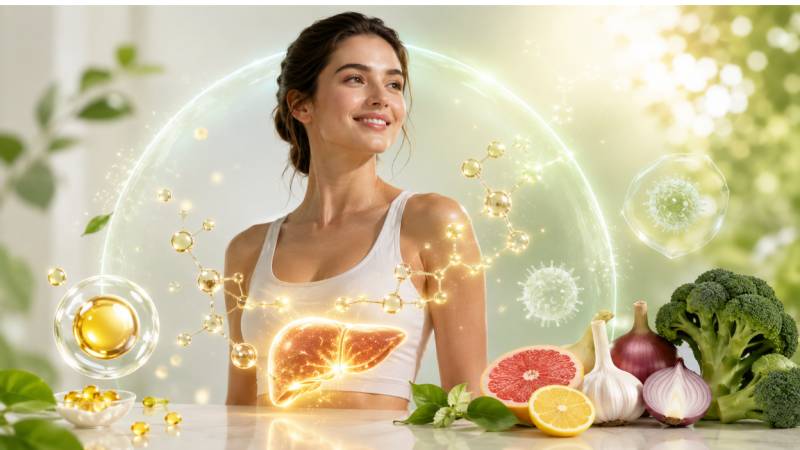
If there is one molecule your body cannot function well without, it is glutathione. Often called the “master antioxidant,” glutathione is found in nearly every cell you have, quietly protecting your tissues from damage, supporting your liver, and keeping your immune system responsive. Yet most people have never heard of it, and even fewer understand how to actually raise their levels in a meaningful way.
In this guide, we break down what glutathione does, the science-backed benefits worth knowing about, the factors that deplete it, and the smartest ways to support healthy levels as you age.
What Is Glutathione?
Glutathione is a small protein molecule made from three amino acids: cysteine, glutamine, and glycine. Your body produces it naturally, and it works as your primary line of defense against oxidative stress — the cellular “rust” caused by free radicals. Every time your cells produce energy, fight off a toxin, or process a medication, they generate free radicals as a byproduct. Glutathione neutralizes those unstable molecules before they can damage your DNA, proteins, and cell membranes.
What makes glutathione unique is that it does not just act as an antioxidant on its own. It also recycles other antioxidants, like vitamins C and E — so they can keep working. This is why researchers describe it as the hub of the body’s entire antioxidant network rather than just one player among many.
| Quick fact
Glutathione levels naturally decline with age, and lower levels are associated with many of the conditions we link to aging — from reduced immunity to slower recovery. |
The Key Benefits of Glutathione
1. Powerful Antioxidant Protection
As the body’s master antioxidant, glutathione shields cells from oxidative damage linked to chronic inflammation and premature aging. By keeping free radicals in check, it helps protect the mitochondria — the energy factories inside your cells — which supports steady energy levels and healthy cellular function.
2. Liver Support and Detoxification
Your liver is your body’s primary detox organ, and glutathione is central to how it works. It binds to toxins, heavy metals, and metabolic waste so they can be safely flushed out of the body. People who support their glutathione levels often do so specifically to give their liver an extra hand, especially in a world full of environmental pollutants and processed foods.
3. A Stronger, More Balanced Immune System
Glutathione plays a direct role in the function of immune cells such as T-cells and natural killer cells. Adequate levels help your immune system respond efficiently to threats without overreacting. This dual role — supporting activity while helping regulate inflammation, is part of why glutathione is so closely tied to overall resilience.
4. Skin Clarity and a Healthy Glow
Because oxidative stress contributes to dull, aging skin, glutathione’s antioxidant activity is often reflected in skin appearance. It is one reason the molecule has become popular in the wellness and beauty space, where people value its role in supporting an even, radiant complexion from the inside out.
5. Recovery, Energy, and Everyday Vitality
From intense workouts to daily stress, your body is constantly using up antioxidants to recover. Maintaining healthy glutathione levels supports faster recovery and helps you feel less depleted, which is why athletes and busy professionals alike pay attention to it.
What Depletes Your Glutathione Levels?
Even though your body makes glutathione on its own, several everyday factors can drain your reserves faster than you replenish them:
- Aging — natural production slows with each decade
- Chronic stress and poor sleep
- Environmental toxins, pollution, and heavy metals
- Processed diets low in the nutrients needed to build it
- Excess alcohol and certain medications
The good news is that you can take practical steps to support production and slow that decline.
How to Support Healthy Glutathione Levels
There is no single magic switch, but a combination of lifestyle and nutritional strategies works best.
Eat Glutathione-Supporting Foods
Sulfur-rich foods such as garlic, onions, broccoli, and other cruciferous vegetables provide the building blocks your body uses to produce glutathione. Whey protein and foods rich in vitamin C also support the process.
Prioritize Sleep and Manage Stress
Quality sleep is when much of your body’s repair and antioxidant regeneration happens. Chronic stress, on the other hand, accelerates depletion, so stress management is not just good for your mind, it is good for your cells.
Consider a High-Absorption Supplement
Here is where many people run into trouble. Traditional oral glutathione is notoriously difficult for the body to absorb, because much of it is broken down in the digestive tract before it ever reaches your cells. This is why absorption technology matters more than raw dosage. Modern liposomal glutathione wraps the molecule in a protective lipid layer that shields it through digestion and improves how much your body can actually use. If you are going to supplement, choosing a well-absorbed form makes a meaningful difference in results.
| Why absorption beats dosage
A high-milligram supplement that your body cannot absorb delivers little real benefit. Liposomal delivery is designed to solve exactly this problem, protecting nutrients through the gut so more reaches your bloodstream. |
Who Should Pay Attention to Glutathione?
While glutathione matters for everyone, it is especially worth prioritizing if you are over 40, regularly exposed to environmental toxins, recovering from illness, or simply focused on healthy aging and daily energy. As always, it is wise to speak with a healthcare provider before starting any new supplement, particularly if you have an existing condition or take medication.
Glutathione may not get the attention that flashier vitamins do, but it is arguably one of the most important molecules for your long-term health. From detoxification and immune balance to energy and healthy aging, its benefits touch nearly every system in your body. Supporting your levels through diet, lifestyle, and well-absorbed liposomal supplements is one of the smartest, most future-focused things you can do for your cellular health.See More
Start with small, consistent changes — and give your body’s master antioxidant the support it quietly deserves.