
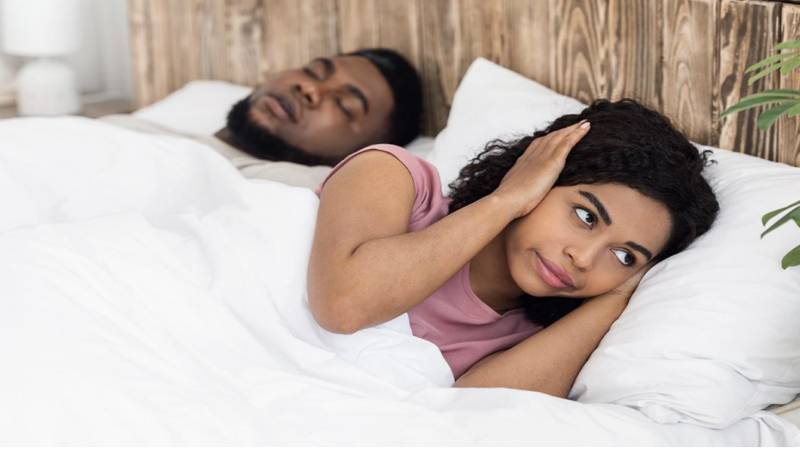
If your snoring is keeping your partner awake or leaving you exhausted during the day, it’s time to take it seriously. Snoring isn’t just a nuisance; it’s often a primary sign of sleep apnea, a serious medical condition where you’re not breathing optimally during sleep, depriving your body and brain of oxygen. Understanding how to stop snoring starts with recognizing that it may point to a deeper health issue. Fortunately, modern solutions are faster and more convenient than ever, and a consultation with a specialist can set you on the right path.
Why You Snore and What It Means
Snoring happens when air can’t flow freely through your nose and throat during sleep, causing the surrounding tissues to vibrate. This restricted airflow is the same mechanism that causes sleep apnea. It’s a common problem, but many people don’t realize their snoring is a red flag. The key symptoms that often accompany snoring include:
- Choking or gasping sounds during sleep
- Morning headaches and a dry mouth upon awakening
- Excessive daytime sleepiness and reduced focus
- Restlessness and frequent waking during the night
- Irritability or frustration
If you experience any of these alongside snoring, it’s a strong indicator that your body is struggling to get enough oxygen. Left unaddressed, this can contribute to serious health problems like high blood pressure and heart disease. Seeking a proper diagnosis is the first and most critical step in learning how to stop snoring effectively.
A Modern, Step-by-Step Solution
The process to diagnose and treat snoring has been streamlined. You can now get help from the comfort of your home, often with same-day appointments. The approach involves a few clear steps:
- Online Consultation:Book a brief video visit with a board-certified sleep specialist. You’ll discuss your symptoms, and the specialist can determine if a sleep test is necessary.
- Home Sleep Testing:A simple, disposable device that wraps around your finger will be shipped to you. You wear it for three nights to track your breathing, heart rate, and blood oxygen levels. This test is typically covered by insurance.
- Review and Treatment Plan:Your specialist will review the results with you in a follow-up video visit. If the test confirms sleep apnea, they will discuss your treatment options, which often include a custom oral appliance.
The Oral Appliance: A Proven Solution for Snoring
For many people, a custom-fabricated oral appliance is the most effective and convenient way to stop snoring. This is far more than a simple mouthguard; it’s a mandibular advancement device designed to hold your lower jaw slightly forward. This simple action keeps your airway open while you sleep, preventing the vibrations that cause snoring.
The results can be immediate. Research shows that 70% of patients using a sleep apnea oral appliance had significant improvement in their condition, and in most cases, snoring significantly decreased or disappeared. It’s a comfortable, portable, and quiet alternative to other treatments, making it an excellent long-term solution.
Comparison of Snoring Treatment Options
| Feature | Custom Oral Appliance | CPAP Therapy |
| How it works | Holds lower jaw forward to keep airway open. | Uses forced air pressure to keep airway open. |
| Best for | Mild-to-moderate sleep apnea; patients who snore loudly or find CPAP uncomfortable. | Moderate-to-severe sleep apnea; generally considered most reliable for high AHI scores. |
| Effectiveness | Significantly decreases or eliminates snoring in most users. | Highly effective at eliminating snoring and apnea events. |
| Portability | Highly portable, quiet, and requires no electricity. | Bulky, requires an electrical outlet and a carrying case. |
| Comfort & Use | Comfortable and non-intrusive once fitted; high long-term adherence. | Can be difficult for some due to mask discomfort, noise, or claustrophobia. |
For many, the path to quiet, restful sleep is simpler than they think. To explore the best option for you, consider visiting how to stop snoring to learn more about these effective treatments.
Frequently Asked Questions About Snoring Solutions
Is my snoring just a nuisance, or could it be serious?
Snoring is often the primary sign of sleep apnea. If you also experience daytime sleepiness or morning headaches, or if your partner notices you gasping for air, it’s crucial to get tested. It’s a serious medical condition linked to heart disease and other chronic health problems.
How do I get an oral appliance to stop snoring?
The process starts with a video consultation with a specialist. After a home sleep test confirms sleep apnea, a dentist will either digitally scan your teeth or send you a do-it-yourself mold kit. Your custom device will be shipped to you, and the team will help you adjust it during a virtual visit.
How long does it take for the oral appliance to work?
The beneficial results are often immediate. You’ll typically notice a significant reduction in snoring from the first night. The full effect and your comfort with the device will continue to improve over an adjustment period of 2-4 weeks under your specialist’s supervision.
Does my insurance cover treatment for snoring?
Yes, most national health plans, including Aetna, Cigna, and UnitedHealthcare, cover the diagnosis and treatment of sleep apnea. The treatment plan, including an oral appliance, requires a positive test for sleep apnea to be covered.See More
Can I get an oral appliance if I have dental issues?
You need at least one healthy molar on each side of your upper and lower jaw. Your gums must be in good health, and you must be able to open your mouth without pain. You cannot get a device while undergoing orthodontic treatment like braces or Invisalign, but you can get one after completing that dental work.