
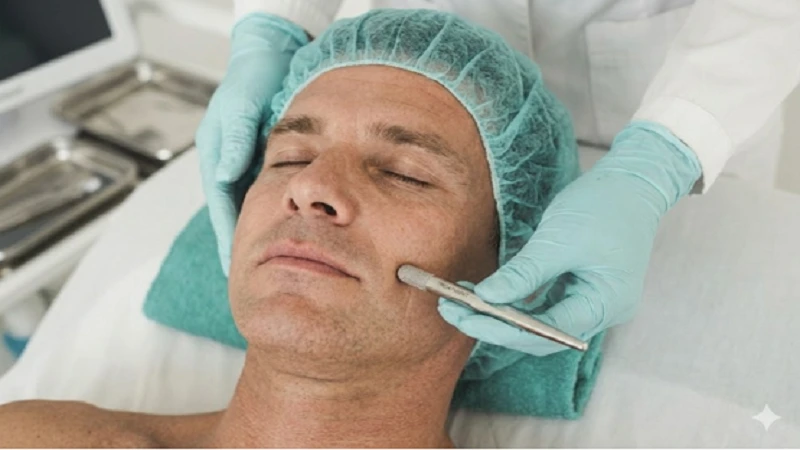
Choosing a non-surgical cosmetic treatment starts with understanding what you really want and how these options differ. Everywhere you look, there are claims about quick results, minimal discomfort, and instant rejuvenation. What’s missing is context. Before scheduling a session, it’s important to think through several key factors that influence your experience and outcomes.
These include how long you might take to recover, what results you can reasonably expect, safety considerations, and how a provider’s qualifications affect your treatment. Getting these points clear up front helps you make a decision that fits your lifestyle, your goals, and your budget.
What “Non-Surgical Cosmetic Treatment” Really Means
When people talk about non-surgical cosmetic treatments, they refer to procedures designed to improve appearance without traditional surgery. These treatments range from injectables like Botox and dermal fillers to laser-based skin resurfacing and microneedling. The key difference is that non-surgical options don’t involve large incisions, general anesthesia, or lengthy hospital stays.
Many of these procedures work by stimulating your skin’s natural processes or adding volume with safe substances injected into specific areas, so the enhancement looks subtle and natural rather than dramatic. Understanding what falls under this umbrella helps you set realistic expectations for both results and recovery.
Recovery Time and What to Expect
Recovery time is a practical concern that affects when you schedule treatment and how soon you can return to your daily routine. The ideal recovery time for minimally invasive cosmetic procedures is typically short; most people experience little to no downtime and can resume normal activities soon after their appointment.
For many non-surgical treatments, any redness, swelling, or tenderness fades within a few hours to a few days. This convenience is one reason these procedures have become so popular. Some treatments may require light aftercare or specific instructions from your provider, but they generally don’t demand the extended healing period associated with surgical options.
Your Goals and Desired Results
Before booking any appointment, take a moment to clarify what you’re hoping to achieve. Are you looking to soften the appearance of fine lines? Do you want to improve texture or tone? Are you interested in subtle contouring around the cheeks or jawline? Different treatments serve different purposes. For example, injectables like botulinum toxin relax muscle activity to reduce expression lines, while dermal fillers add volume where it’s lost over time.
Laser treatments and microneedling focus more on texture and collagen stimulation. Knowing your priority helps narrow down your choices and keeps you focused on outcomes that truly matter to you. Setting clear goals also prevents disappointment that can come from choosing a treatment because it’s popular rather than because it fits your needs.
Safety Profile and Side Effects
Safety is central to making a smart choice about cosmetic treatments. Even non-surgical procedures carry some risk of side effects, including temporary redness, swelling, bruising, or mild discomfort. Serious complications are uncommon when trained professionals perform treatments, but they can happen if proper care isn’t taken.
Ask any prospective provider about the typical side effects they see, how often they occur, and what steps they take to minimize risk. Learn what the treatment involves, how it affects your skin or tissues, and what signs mean you should reach out to them after a session. Being informed about the safety profile helps you weigh the benefits against possible drawbacks without feeling caught off guard.
Provider Credentials and Experience
The person performing your treatment matters just as much as the procedure itself. Credentials, training, and experience influence both safety and results. Look for professionals who are licensed and have a track record with the specific treatments you’re considering. Board-certified cosmetic surgeons, dermatologists, or experienced aesthetic clinicians understand anatomy and risks and can tailor a procedure to your unique features.
During a consultation, ask about the number of times they’ve performed that treatment, how they handle complications, and whether they can show before-and-after photos of past clients. Finding a provider who listens to your concerns and explains options clearly builds trust and confidence
Cost and Long-Term Value
Cost plays a significant role in choosing a non-surgical cosmetic treatment, but it should never be the sole deciding factor. Prices vary depending on the type of procedure, the provider’s expertise, and the geographic location. While some treatments may appear affordable upfront, they often require periodic maintenance to sustain results. Understanding the long-term financial commitment helps you plan realistically and avoid unexpected expenses.
Evaluating value goes beyond comparing price tags. High-quality products, advanced technology, and experienced practitioners often contribute to safer procedures and more satisfying outcomes. A well-performed treatment can last longer and look more natural, reducing the need for frequent corrections.
Technology and Treatment Options
Modern advancements in aesthetic medicine have expanded the range of non-surgical cosmetic treatments available today. Options such as injectables, laser therapies, chemical peels, microneedling, and radiofrequency treatments address a variety of concerns, including wrinkles, uneven skin tone, and loss of elasticity. Each technology serves a specific purpose, making it essential to understand which one best suits your needs.
The effectiveness of a procedure often depends on the tools and techniques used. Reputable clinics invest in FDA-approved devices and stay current with industry innovations. This commitment enhances precision, safety, and comfort during treatment.
Timing, Planning, and Aftercare
Thoughtful planning can significantly improve your overall experience with non-surgical cosmetic treatments. Scheduling your procedure at the right time allows you to accommodate minor side effects such as redness or swelling. Many individuals prefer to plan treatments ahead of important events, ensuring they look and feel their best without unnecessary stress.
Aftercare is equally important in achieving optimal results. Following your provider’s instructions supports proper healing and enhances the longevity of the treatment. Guidelines may include avoiding sun exposure, refraining from strenuous activity, or using recommended skincare products. Consistency with post-treatment care protects your investment and promotes healthier, more radiant skin.
Non-surgical cosmetic treatments offer effective solutions for enhancing appearance without the complexity of surgery. Thoughtful consideration of essential factors leads to safer choices and more satisfying results. Clarity about treatment goals, recovery expectations, safety standards, provider qualifications, and financial commitments empowers you to make informed decisions.
Advancements in technology have made these procedures more accessible and customizable than ever before. Careful planning and adherence to aftercare recommendations further improve outcomes and ensure lasting benefits. A balanced approach rooted in research and professional guidance helps you select treatments that complement your lifestyle and aesthetic preferences. See More