
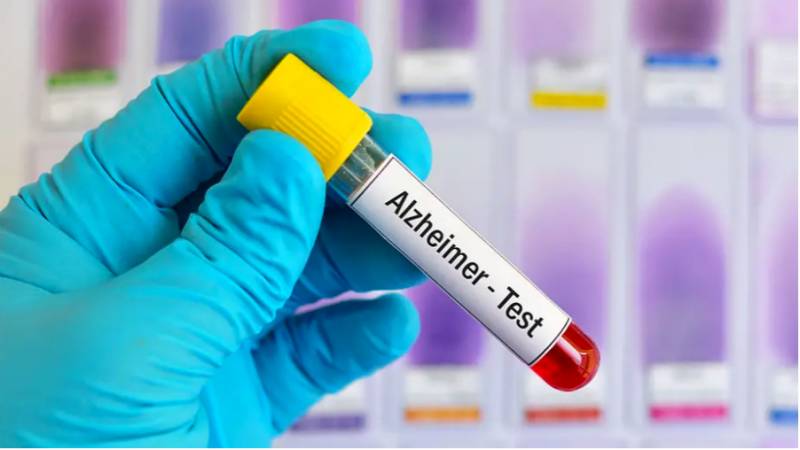
Advancements in medical science have transformed how we approach neurodegenerative conditions. Clinicians now have better tools than ever to identify the physiological hallmarks associated with cognitive decline. Patients are increasingly looking for ways to engage with their own health data before stepping into a formal clinical environment.
The role of biomarkers in early detection
Biomarkers are measurable indicators of biological states, and in the context of brain health, they are used to detect specific proteins like amyloid and tau. By identifying these protein levels, medical professionals can detect markers of disease processes before significant cognitive symptoms emerge. This shift toward identifying early indicators of neurological change is a significant jump from traditional reliance on symptomatic observation alone.
Distinguishing between screening tools and clinical diagnosis
It is important to clarify that home-based tests are primarily intended as screening instruments rather than definitive diagnostic platforms. A screening test indicates whether a person might have an elevated risk, but a formal diagnosis requires a physician to integrate these results with cognitive testing and physical exams. Relying solely on one data point can lead to misinterpretation, which is why clinical consultation follows every initial finding.
Why comprehensive neurological evaluation remains the gold standard
While at-home markers provide significant insight, they represent only one piece of a complex clinical puzzle. A full evaluation includes a thorough review of medical history, family patterns, and standardized neuropsychological testing. This multifaceted approach ensures that the interpretation of biomarker data is accurate within the context of a patient’s overall health.
Exploring available at-home testing options
Many companies now offer services that allow individuals to collect samples from the comfort of their own homes. These kits represent a modern shift in health management, moving complex diagnostics out of specialized labs and into the daily lives of consumers. It is necessary to understand exactly what these products provide to manage expectations accurately.
Overview of direct-to-consumer kit categories
Testing kits generally fall into biological sample collection and digital cognitive screening assessment tools. Biological kits often require a small amount of peripheral blood, while cognitive tools utilize interactive software to gauge memory and attention. Below is a summary of typical components found in these remote assessment packages:
| Assessment Type | Typical Sample | Primary Objective |
| Biomarker Analysis | Peripheral Blood | Detect amyloid/tau proteins |
| Cognitive Exam | Digital Interaction | Screen for recall patterns |
| Genetic Screening | Saliva/Blood | Evaluate hereditary risk factors |
What these tests measure in your blood or saliva
These laboratory-grade tests look for specific indicators that correlate with Alzheimer’s pathology in the brain, such as phosphorylated tau and amyloid ratios. By isolating these specific peptides, valid laboratory services can provide a report on the likelihood of amyloid accumulation. The process of collecting such precise data from a micro-sample has been refined over recent years to ensure consistency with clinical standards.
Differentiating between risk assessment and disease confirmation
Understanding the distinction between measuring risk and confirming a pathology is essential for every user. A risk assessment result might highlight a genetic or protein-based propensity for developing Alzheimer’s, but it does not equate to the onset of the disease itself. Patients should view these assessments as a way to prioritize their next health moves rather than conclusive life-altering news.
How to order Alzheimer’s blood test online
If you have decided that testing is the right choice for your personal health strategy, the journey begins by finding a reputable service. Most providers streamline the process to ensure that you can safely order Alzheimer’s blood test online through a secure digital experience. The following steps outline how you can effectively secure these services for yourself:
- Select a provider that uses CLIA-certified laboratories to ensure result accuracy and data integrity.
- Complete the mandatory health questionnaires that qualify your eligibility for a specific test.
- Confirm that the testing service includes a mechanism for professional physician review of your lab findings.
- Register your kit using the provided materials to ensure your sample remains tracked from your home to the lab.
Once you have verified the laboratory credentials, you can follow these steps to ensure you receive clear, actionable results. The transition from ordering to receiving data typically takes between one to three weeks, depending on shipping times and laboratory processing volume.
Navigating legitimate testing providers and laboratories
Legitimate providers maintain high transparency regarding their lab partnerships and the certifications held by their processing facilities. When evaluating an online service, focus on those that state clearly how they comply with federal health regulations. A transparent organization will explain how to evaluate information while also documenting their clinical board certifications.
The technical process of collecting and shipping samples
Collection typically involves a simple finger-prick method or a kit that facilitates a professional blood draw at a local network center. The kits include specific instructions for stabilizing the specimen during shipping, which is crucial for maintaining the validity of the biomarkers being analyzed. Following these collection protocols exactly as written prevents the degradation of markers and ensures the sample remains viable for the laboratory.
Requirements for physician-supervised testing protocols
Nearly all high-quality testing services require a licensed physician to facilitate the order, ensuring the patient meets the clinical criteria for the test. This oversight is a safeguard that ensures you are not making medical decisions in a vacuum. A supervising physician may also issue a referral if the initial findings necessitate immediate clinical follow-up or additional testing.
The clinical reliability of direct-to-consumer testing
Recent advancements mean that home-based biomarker options like the direct-to-consumer Alzheimer’s blood test are becoming remarkably reliable. While they differ from invasive tests performed in a hospital setting, internal validation studies frequently show significant correlation between home test outcomes and larger clinical assessments. Understanding how these tests hold up in real-world applications helps in balancing their utility against their limitations.
Understanding accuracy rates and potential for false results
Accuracy is typically described in terms of sensitivity and specificity, factors that determine how reliably a test captures true positives while limiting false alarms. Because biology is complex, there is always a small possibility of an inconclusive or unexpected result. It is standard practice to discuss any outlier findings with a medical professional to ensure they are interpreted correctly.
Limitations of biomarker testing outside a clinical setting
Outside of a controlled clinic, the contextual data—such as high-resolution PET imaging or specific neurological observations—is absent. This means home tests are fantastic for identifying a signal that requires further investigation, but they cannot replace the full clinical diagnostic pathway. They act as an early indicator that prompts a more comprehensive medical conversation rather than a diagnosis in their own right.
How laboratory standards and quality controls vary
Quality laboratory services utilize strict standardized processes to minimize variation in data output. This includes regular calibration of equipment and ongoing validation of testing methodology against established biological benchmarks. Before moving forward, users should verify that the service they chose publishes its quality assurance records or adheres to national health guidelines.
Important considerations before testing at home
Engaging with home testing is not just a practical health decision; it carries significant psychological weight. You should prepare to process your results in a calm and informed manner while keeping your support system close. The data you receive is meant to empower future health choices, not to be a source of panic.
Evaluating the psychological and emotional impact of results
Learning about your risk factors for a neurodegenerative condition can be an unsettling experience. It is often helpful to have a plan for how you will share this information with family members or loved ones before the results actually arrive. If you find yourself experiencing anxiety, talking to a neutral party or a mental health professional is always a valid approach to managing your mindset.
The value of professional genetic or medical counseling
Genetic and medical counselors are trained to help individuals interpret complex health findings, such as those related to neurodegenerative risks. They can explain what the findings mean for your specific situation and guide you through the process of communicating these details to your regular care team. Often, the testing service itself offers access to such consultations to help you process the data effectively.
Ensuring the security and privacy of your medical data
Your genetic and health information is among your most personal data, and it should be handled with extreme care by any testing partner. Reputable companies follow strict privacy policies and data protection standards to keep your information secure. Always review the company’s data-sharing policy to ensure your results have the protections you expect.
Next steps after receiving your results
Regardless of what your results indicate, they are a starting point for action. Your objective should be to use the information to build a proactive health strategy. Connecting with a medical professional is the only way to transform testing data into a constructive and personalized care plan.
Consulting with a primary care physician about your findings
Your primary care physician is the best person to consolidate these results into your broader medical record. They can help you understand these findings in light of your existing bloodwork and overall health history. They are also the primary gatekeepers for referrals should you need to see a specialist for deeper investigation.
Coordinating follow-up care with a neurologist
If your results indicate a need for a deeper check, a neurologist is the appropriate specialist to consult. They possess the tools and training to perform nuanced examinations that home kits cannot replicate. By presenting your test results to a neurologist, you give them a clear foundation to start an effective, high-level evaluation immediately.
Addressing the role of insurance in confirmatory diagnostic testing
Insurance protocols can vary widely depending on your provider and the specific diagnostic tests required. Some confirmatory tests performed in a clinical setting might be covered if they are deemed medically necessary based on your screening results. Always reach out to your insurance carrier to inquire about diagnostic coverage before you schedule additional, higher-cost procedures.
Order Your Test
Taking charge of your health often starts with a single, informed choice about gathering clear data. If you are ready to explore your options and gain clarity about your cognitive health, the first step is to confirm your eligibility and review the testing details provided by our dedicated service.
Frequently Asked Questions
Can any blood test definitively confirm a diagnosis of Alzheimer’s disease?
No, no single blood test can independently confirm an Alzheimer’s diagnosis, as a professional neurological exam is required for a conclusive clinical determination.
Why is a doctor’s oversight required for most home-based neurological tests?
Medical oversight ensures that the test is appropriate for your health history and that there is a qualified professional to guide the interpretation of your results.
How long does it usually take to receive results from an at-home kit?
Most testing services provide results within a few weeks of the laboratory receiving your sample, though this depends on logistics and processing capacity.
Does participating in home testing affect my future insurance premiums?
Federal laws in many regions, such as the United States, provide protections that prevent genetic testing results from being used to influence health insurance decisions.
Can I share my test results with family members?
Yes, your results are your personal medical property, and you have complete discretion over whom you choose to share them with, including family or other healthcare providers.
What happens if my results are inconclusive?
Inconclusive results are relatively common and often just imply that the sample quality was insufficient or that retesting is needed to get a clear reading.
Should I stop taking my current medications before conducting a home test?
Generally, you should continue your medications as normal unless your physician or the testing kit instructions specifically provide different guidance for your case.See More