
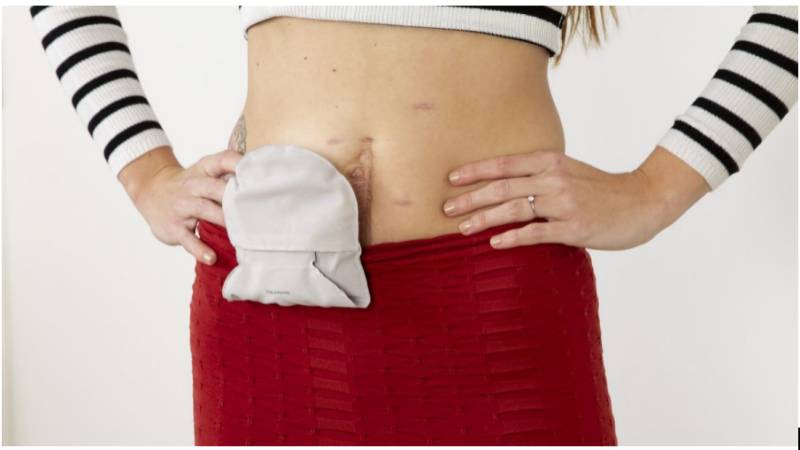
Leaving hospital after stoma surgery can feel like a lot. The operation’s over. You’re healing. Then someone gives you a little stack of supplies, a leaflet, and that’s more or less it. Off you go. For plenty of people, that’s when the real getting-used-to-it starts. Not in the theatre. At home, working out what actually suits their body.
Stoma care has moved on loads in the last ten years or so. The downside? There’s so much choice now that it can all feel harder than it should. Bags. Flanges. Skin barriers. Convex fittings. Two-piece systems. Accessories on top of that. Tricky to take in when you’re still adjusting to everything else. And not every product works for every person, which is the bit the leaflets tend to skip over.
Why Getting the Right Fit Matters So Much
Getting the fitting right early on is a big deal. A bad seal doesn’t only mean leaks (stressful enough, to be fair). It can make the skin round the stoma sore and irritated. Sore skin then makes a good seal even harder to get. So round it goes, and once that starts it’s tough to break.
Output depends on the type of stoma, too. Colostomy, ileostomy or urostomy, each one needs a slightly different approach when picking a bag. Ileostomies usually produce more liquid output, for example, so bag size and a solid seal matter even more day to day. A stoma nurse can be a massive help here. Not been referred to one? Push for it through your GP. Definitely worth it.
Body shape plays a part as well, along with where the stoma sits. That affects whether a flat or a convex baseplate works better. Ask people who’ve had a stoma for years and loads of them say the same thing: they wish someone had told them sooner that trying a few systems is completely normal. Switching brands or styles isn’t failing. It’s just part of the process.
Accessories Are More Useful Than People Expect
Lots of ostomates start off with just a bag and a baseplate. Nothing wrong with that. But there’s a whole bunch of extra bits that make daily life easier. Barrier rings and seals add another layer of protection round the edge of the stoma, really handy for uneven skin or a retracted stoma. Ostomy belts keep everything in place during exercise or on busier, more physical days. Odour neutralisers, bag covers, disposal bags. Small stuff, sure. Adds up to a lot of confidence though.
Skin prep wipes and adhesive removers deserve a mention too. They look after the skin round the stoma during bag changes. Some people skip them, thinking they’re just optional extras. Ever had sore, broken skin round your stoma? Then you’ll know exactly why they’re worth it.
Want a look at what’s out there? Salts Healthcare has a really wide range of stoma products, and it’s been making ostomy equipment in the UK since the 1970s. This is one area where a specialist beats a general supplier. Partly because the products tend to be built around clinical need, not just convenience.
Prescription Access and What You’re Entitled To
In England you can get stoma products on an NHS prescription. Most ostomates are exempt from prescription charges anyway. So the basics shouldn’t be costing you anything, though it’s worth double-checking if you’re not sure. Scotland, Wales and Northern Ireland each do prescription charges their own way, and the rules vary a bit depending on where you live.
No need to traipse to the pharmacy either. Dispensing appliance contractors offer home delivery, which a lot of people find easier. Especially for the bulky stuff that’s a pain to carry.
Bottom line? Small tweaks make a big difference over time with stoma care. Good advice, being up for trying different options, and knowing what support you’re entitled to all help you feel more confident day to day. Sometimes it takes a fair bit of trial and error. Most people do get there in the end, with a routine that actually works for them.See More