
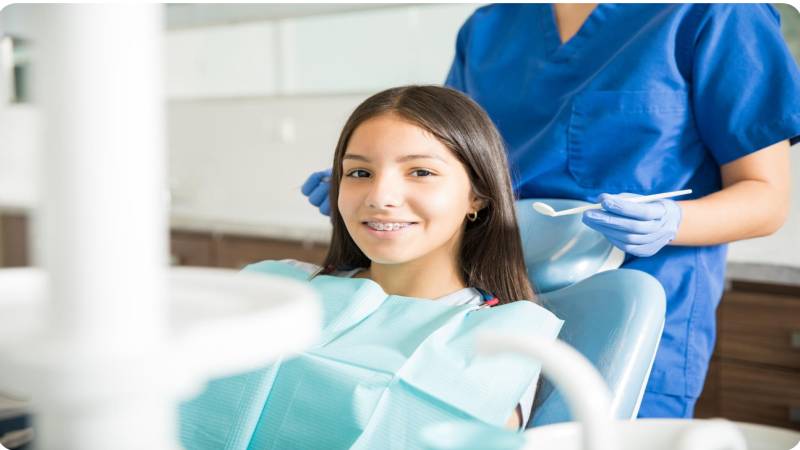
The teenage years are the most common window for orthodontic treatment in Edmonton, and for good reason: most permanent teeth have come in by this stage, giving orthodontists a clearer picture of what needs correcting while there’s still enough growth remaining to guide the process effectively. For parents and teens navigating this for the first time, knowing what each stage involves makes the experience much less uncertain.
Before Treatment: The Evaluation Stage
Orthodontic treatment for teens typically begins with a thorough evaluation, including imaging to assess how the teeth and jaw are positioned relative to each other. This stage determines not just whether treatment is needed, but which approach makes the most sense: traditional braces, clear aligners, or, in some cases, a combination, depending on the complexity of the correction required.
This is also when cost, timeline, and treatment options are discussed openly, giving families a realistic sense of what the process will involve before committing to a specific plan.
During Treatment: What Day-to-Day Life Looks Like
Once treatment begins, teens typically adjust to their new routine within the first few weeks. For traditional braces, this means learning modified brushing and flossing techniques, adjusting eating habits around certain foods, and getting used to periodic tightening or adjustment appointments. For clear aligner treatment, the focus shifts to consistent wear, since aligners work best when worn nearly the entire day, and to switching to new sets at the recommended intervals.
Regular check-in appointments throughout treatment allow the orthodontist to monitor progress and make any necessary adjustments to keep things on track toward the planned result.
After Treatment: The Retainer Phase
Many teens assume treatment ends the moment braces come off or the last aligner tray is worn, but the retention phase that follows is just as important for maintaining results. Teeth are still somewhat prone to shifting back toward their original position in the months immediately following treatment, which is exactly what retainers are designed to prevent. Consistent retainer wear, especially in the first year after treatment, plays a major role in whether the corrected alignment holds long-term.
Common Concerns Worth Addressing Early
Teens sometimes worry about the social aspect of visible braces, or feel self-conscious during the adjustment period. Discussing these concerns openly and considering options like clear aligners if discretion is a significant factor can make a meaningful difference in how comfortable a teen feels throughout the process.
Setting Realistic Expectations
Orthodontic treatment for teens generally spans one to two years, depending on the complexity of the correction needed, though this timeline varies considerably case by case. Understanding this upfront, rather than expecting a quick fix, helps both parents and teens approach the process with realistic patience rather than frustration when results take time to become visible.See More