
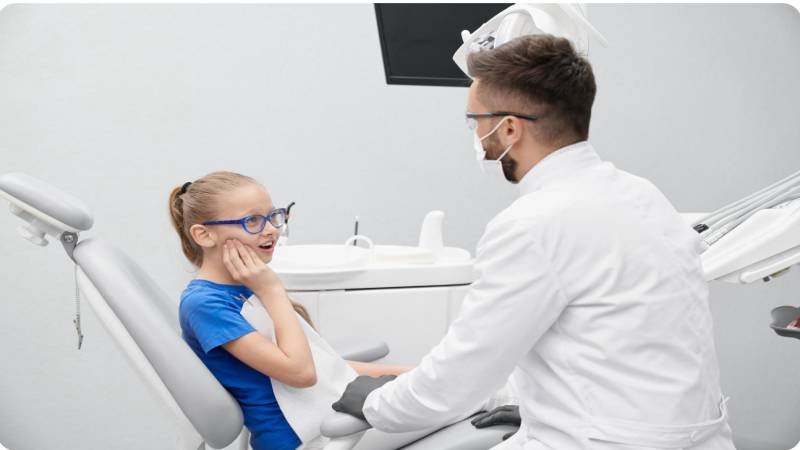
Most parents assume orthodontic concerns are something to address once all the adult teeth have come in, typically sometime in the early teenage years. But orthodontic professionals generally recommend an initial evaluation much earlier, often around age seven, and specific signs suggest early evaluation is worth pursuing sooner rather than later.
Why Earlier Evaluation Isn’t Premature
At first glance, evaluating a child’s bite before all their adult teeth have arrived might seem too early to be useful. In reality, certain issues are far easier to address while the jaw is still developing and growing than after growth has mostly finished. An early evaluation doesn’t necessarily mean early treatment; often it simply means monitoring development at the right intervals so that if intervention is needed, it happens at the most effective stage rather than after an opportune window has passed.
Signs Worth Paying Attention To
A few patterns often prompt a recommendation for earlier orthodontic treatment in a Brampton evaluation. Difficulty chewing or biting, teeth that don’t come together properly, mouth breathing, or noticeable crowding as adult teeth begin coming in are all worth mentioning to a dentist. Thumb-sucking habits that persist past the age most kids naturally stop can also affect bite development in ways worth monitoring closely.
Speech difficulties tied to tooth position, or teeth that appear significantly crowded or gapped as they emerge, are additional signs that an earlier look might be worthwhile rather than waiting for a standard adolescent evaluation.
What Early Evaluation Actually Involves
An early orthodontic evaluation is typically low-pressure and non-invasive, usually involving a visual assessment and sometimes imaging to understand how the jaw and teeth are developing. In many cases, the outcome is simply monitoring, with a plan to check back periodically as more adult teeth come in. For a smaller number of children, early guidance, such as space maintainers or other interceptive approaches, may be recommended to help guide development in a more favourable direction before more significant crowding or misalignment develops.
Avoiding Both Extremes
The goal of early evaluation isn’t to rush every child into treatment prematurely, nor to wait so long that a straightforward correction becomes more complex. Striking that balance is exactly what a proper orthodontic evaluation is designed to do, identifying which children genuinely benefit from early intervention and which simply need continued monitoring as their smile develops naturally.
Trusting the Process
For parents unsure whether their child’s dental development warrants a closer look, an evaluation carries little downside and potentially significant upside. Catching a developing issue early, when there’s still more flexibility in how the jaw and teeth are growing, often leads to a smoother, less involved treatment path than addressing the same concern years later once growth has largely settled.See More