
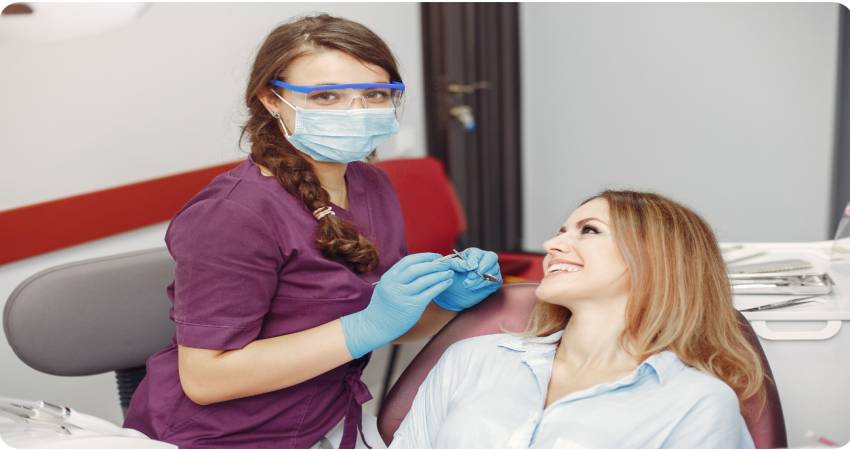
For decades, dentistry was often associated with reacting to pain rather than preventing it. Many people waited until a cracked tooth, severe infection, or unbearable discomfort forced them into a dental chair. Today, however, a remarkable transformation is reshaping oral healthcare. Preventive dentistry has evolved from a routine recommendation into a comprehensive movement that combines advanced technology, personalised care, and public health awareness to preserve natural teeth for life.
This shift reflects a broader understanding that oral health is deeply connected to overall well-being. Healthy teeth and gums support proper nutrition, clear speech, self-confidence, and even systemic health. As research continues to reveal links between oral diseases and conditions such as cardiovascular disease and diabetes, prevention has become more valuable than ever. Rather than treating symptoms after they appear, modern dental professionals are helping patients prevent problems before they develop, significantly reducing the need for emergency dentistry.
The new preventive dentistry movement is built upon education. Dental professionals no longer simply clean teeth and fill cavities; they empower patients with practical knowledge that encourages healthier daily habits. Personalised oral hygiene instructions, dietary guidance, and regular risk assessments create a partnership between dentists and patients. This collaborative approach transforms routine dental appointments into opportunities for lifelong health planning rather than isolated clinical procedures.
Technology has accelerated this evolution. Digital intraoral scanners, artificial intelligence-assisted diagnostics, three-dimensional imaging, and high-resolution photography enable clinicians to detect subtle changes long before they become painful conditions. Tiny enamel defects, early gum inflammation, and developing bite problems can now be identified with remarkable accuracy. Early intervention often requires less invasive treatment, preserves more natural tooth structure, and reduces long-term healthcare costs.
Equally important is the growing emphasis on understanding individual risk factors. Modern preventive care recognises that every patient’s oral health journey is unique. Genetics, age, medical conditions, medications, nutrition, stress, lifestyle habits, and even sleep quality influence dental health. Personalised preventive strategies allow clinicians to recommend tailored recall schedules, fluoride therapies, protective sealants, night guards, or periodontal maintenance according to each person’s specific needs.
The rise of minimally invasive dentistry perfectly complements this preventive philosophy. Instead of removing significant portions of healthy tooth structure, dentists now focus on preserving natural tissues whenever possible. Early remineralisation treatments, resin infiltration for early decay, and conservative restorations demonstrate how prevention and preservation work together. Every millimetre of healthy enamel saved today increases the likelihood of stronger teeth tomorrow.
Children are among the greatest beneficiaries of this movement. Early dental education establishes healthy habits that often last a lifetime. Preventive programs in schools, community outreach initiatives, fluoride applications, and fissure sealants dramatically reduce childhood tooth decay. When young patients develop positive relationships with dental care, they are less likely to experience dental anxiety and more likely to maintain consistent preventive visits into adulthood.
Adults also benefit from a changing perception of oral healthcare. Increasingly, professionals understand that preventive dentistry extends beyond avoiding cavities. Regular periodontal assessments help identify gum disease before irreversible bone loss occurs. Screening for oral cancer enables earlier diagnosis when treatment outcomes are generally more favourable. Monitoring worn teeth, jaw function, and bite alignment allows dentists to intervene before chronic problems develop into complex restorative cases.
Another important aspect of the movement is recognising the influence of lifestyle on oral health. Tobacco use, excessive alcohol consumption, high-sugar diets, acidic beverages, and chronic stress all contribute to dental disease. Preventive dentistry encourages behavioural changes supported by scientific evidence rather than temporary solutions. Patients become active participants in protecting their smiles instead of passive recipients of treatment.
The digital age has also strengthened patient engagement. Mobile applications remind individuals to brush effectively, wearable technology encourages healthier routines, and teledentistry allows patients to seek professional guidance before minor concerns escalate. Digital communication between patients and dental teams improves continuity of care and reinforces preventive behaviours between appointments.
The economic benefits of prevention are equally compelling. Preventive care is generally more affordable than complex restorative treatment. Routine examinations and professional cleanings cost considerably less than root canal therapy, crowns, implants, or extensive rehabilitation. By investing consistently in preventive care, patients often avoid unexpected financial burdens associated with advanced dental disease.
Communities are beginning to recognise that prevention also strengthens healthcare systems. Reduced rates of severe infections and untreated decay lessen pressure on hospital emergency departments that are often unequipped to provide definitive dental treatment. Improved public awareness encourages earlier intervention, allowing dental professionals to manage problems while they remain relatively simple.
Despite these advances, dental emergencies will never disappear entirely. Accidents, sports injuries, sudden fractures, and unforeseen infections can affect anyone regardless of how carefully they maintain their oral health. This reality explains the growing importance of the emergence of 24/7 clinics, which provide immediate access to professional care when unexpected situations arise. Around-the-clock availability ensures patients receive timely assessment, pain relief, and appropriate treatment before complications become more severe.
Interestingly, the relationship between prevention and emergency services is complementary rather than contradictory. Effective preventive care reduces the frequency and severity of urgent dental conditions, while accessible emergency services provide a critical safety net when unavoidable incidents occur. Together, they create a more resilient healthcare model that protects patients across every stage of their oral health journey.
Looking ahead, preventive dentistry will likely become even more personalised through advances in genomics, salivary diagnostics, artificial intelligence, and predictive analytics. Dentists may soon identify disease risks years before clinical symptoms appear, allowing highly targeted interventions that preserve oral health with unprecedented precision. These innovations represent not merely technological progress but a philosophical shift toward proactive healthcare.
Ultimately, the new preventive dentistry movement reflects a profound change in how society views oral health. Healthy smiles are no longer maintained through occasional treatment alone but through continuous education, scientific innovation, personal responsibility, and accessible professional care. By embracing prevention while supporting responsive emergency dentistry through the ongoing emergence of 24/7 clinics, modern dentistry is creating a future where fewer people experience avoidable pain, more natural teeth are preserved, and lifelong oral wellness becomes an achievable goal for every generation.See More