
Noticing blood after a bowel movement can be alarming, yet many people hesitate to discuss the problem with a doctor. Some assume that constipation or piles must be responsible, while others rely on pharmacy products without understanding the cause. However, similar symptoms can develop from different conditions requiring separate approaches. Exploring anal fissure treatment may be appropriate when painful bowel movements involve small tears around the anus. Recognising the importance of accurate diagnosis helps Malaysian adults avoid unnecessary delays and make informed healthcare decisions.
Understanding Why Similar Symptoms Develop
Rectal bleeding, itching, swelling, and discomfort can arise from several conditions affecting the anal region or lower digestive tract. Haemorrhoids involve swollen vascular cushions around the anus or within the rectum, while anal fissures are small tears in the anal lining. Both may produce bright red bleeding, but their characteristic symptoms differ. Fissures commonly cause sharp pain during bowel movements, whereas internal haemorrhoids may bleed without significant discomfort. Other bowel conditions can also cause bleeding, making professional assessment important rather than relying on symptoms alone.
Recognising Patterns That Need Attention
The timing and character of symptoms can provide useful clues during a medical consultation. Persistent burning after passing stools may suggest a fissure, while a protruding lump or recurring itching can accompany haemorrhoids. Nevertheless, symptom patterns cannot establish a diagnosis independently. Bleeding accompanied by unexplained weight loss, altered bowel habits, or persistent abdominal discomfort requires timely evaluation. Heavy bleeding, faintness, or severe pain may demand emergency attention. Patients should describe these changes accurately instead of repeatedly postponing appointments because the symptoms seem embarrassing or inconvenient.
Exploring Factors Affecting Bowel Health
Daily routines can influence bowel habits and contribute to discomfort. A diet containing insufficient fibre, inadequate fluid intake, and frequent straining may lead to hard stools that aggravate existing anal conditions. Extended periods spent on the toilet can also increase pressure around the anal region. In Malaysia, irregular mealtimes, demanding work schedules, and limited opportunities for movement may make healthy routines difficult to maintain. However, these lifestyle factors are not the only possible causes. Persistent symptoms deserve investigation even when constipation appears to be the obvious explanation.
Understanding What Clinical Assessment Involves
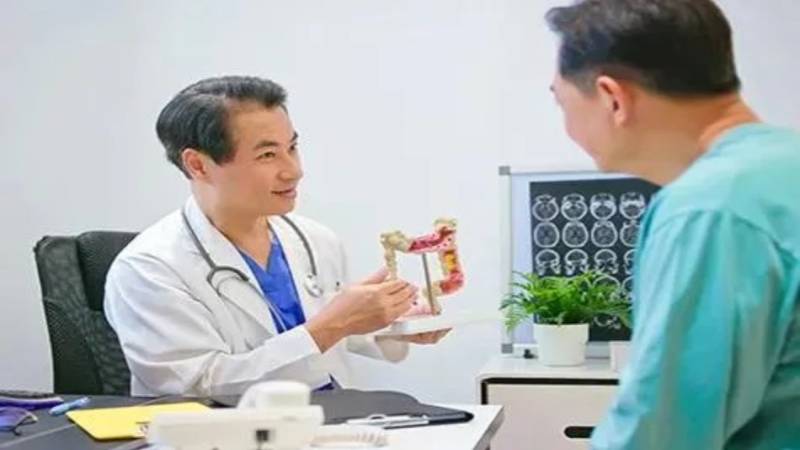
A medical consultation usually begins with questions about bleeding frequency, pain, bowel movements, medication, and relevant family history. The clinician may perform an external examination and recommend further assessment when necessary. Patients searching for a hemorrhoid doctor near me should understand that proper evaluation may identify another explanation for their symptoms. Depending on clinical findings, an internal examination, anoscopy, or referral for additional investigations may be appropriate. Discussing concerns openly helps patients understand the proposed assessment and participate comfortably in decisions about further care.
Choosing Care According To Diagnosis
Management depends on the confirmed condition, its severity, and the patient’s medical circumstances. Many uncomplicated fissures improve with measures that soften stools, reduce straining, and relieve discomfort. Doctors may prescribe suitable topical medication when additional treatment is necessary. Haemorrhoid management can also begin conservatively, although persistent or advanced cases sometimes require procedures such as rubber band ligation or surgery. These interventions address different problems and cannot be considered interchangeable. Individual assessment helps avoid unnecessary procedures while ensuring that symptoms requiring specialised attention are managed appropriately.
Building Healthier Daily Toilet Habits
Preventing repeated irritation often requires adjustments that extend beyond temporary symptom relief. Increasing fibre gradually through vegetables, fruit, legumes, and whole grains can help maintain comfortable bowel movements. Adequate hydration and regular physical activity also support digestive health. Responding promptly to the urge to pass stools may reduce unnecessary straining. People who spend prolonged periods on the toilet should consider shortening these visits. Such measures can support recovery and reduce recurrence, although they do not replace medical treatment when bleeding, severe discomfort, or persistent symptoms continue.
Knowing When Further Care Matters
Patients sometimes expect symptoms to disappear immediately after using a cream or changing their diet. However, healing depends on the underlying condition, its duration, and individual health factors. Recurring bleeding or discomfort despite initial treatment may require reassessment rather than repeated self-medication. Clinicians can determine whether further investigations, alternative medication, or a procedure is necessary. Follow-up is especially important when symptoms change unexpectedly. Understanding that improvement may be gradual encourages realistic expectations while preventing patients from ignoring unresolved problems simply because temporary relief has occurred.
Conclusion
Rectal bleeding and anal discomfort should never be dismissed automatically as ordinary digestive problems. Accurate assessment helps distinguish common conditions, identify warning signs, and determine whether conservative care or further intervention is appropriate. For adults seeking professional evaluation in Kuala Lumpur, wecareclinic.my provides information about haemorrhoid care, anal fissure management, and available consultation services. Arranging an appointment when symptoms persist allows patients to discuss sensitive concerns privately, understand possible treatment pathways, and receive guidance suited to their individual health needs.See More