
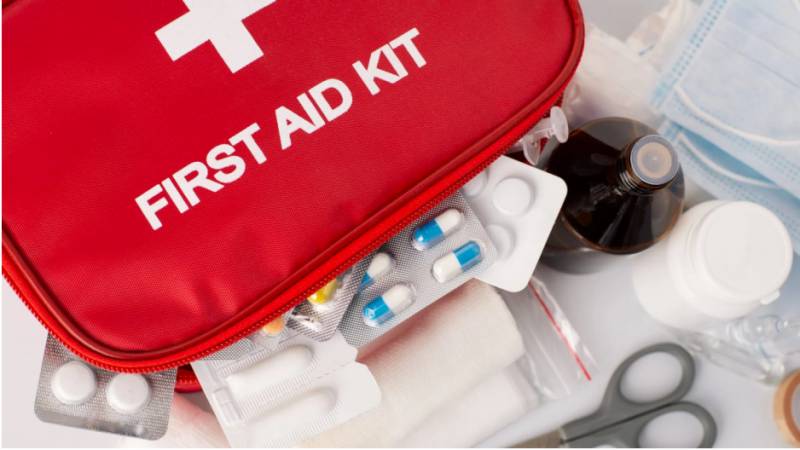
Most of us keep a pretty good handle on our health these days. We track our steps, watch what we eat, and book our annual check-ups without much thought. But there’s one part of personal wellness that often gets skipped entirely: knowing what to do in the ten minutes after something goes wrong. That gap is bigger than most people realize, and it’s exactly why so many Mississauga workplaces and families are turning to WSIB approved first Aid Training as part of a genuinely well-rounded health plan.
Think about it this way: you can eat perfectly and still choke on a piece of food at dinner. You can exercise every day and still watch a coworker collapse from cardiac arrest in a meeting room. Health isn’t only about prevention. It’s also about response, and most of us have never practiced that second half at all.
Why Should First Aid Be Part of Your Health Routine?
Here’s a stat that tends to stop people mid-scroll: according to the Heart and Stroke Foundation, most cardiac arrests happen at home, and bystander CPR can double or triple a person’s chance of survival. That’s not a workplace statistic. That’s a family statistic, and it applies just as much to the person reading this on their couch as it does to someone on a factory floor.
A lot of us think of first aid training as something that belongs to nurses, lifeguards, or construction crews. In reality, it belongs to anyone who spends time around other humans. Parents. Grandparents. Coworkers. Neighbours. The skills are identical whether the emergency happens in a boardroom on King Street or in your own kitchen at seven in the evening.
What Does WSIB Approved Actually Mean for You?
In Ontario, workplaces have real obligations under the Ontario OHSA to keep trained first aiders on site, and WSIB sets the specific standards those courses need to meet. A course that’s WSIB approved isn’t just a nice-to-have certificate to hang on the wall. It’s built around the exact ratios, response times, and skill sets that Ontario regulators expect employers to have covered, based on workplace size and risk level.
For a health-conscious reader, this matters for a fairly simple reason: a course built to a regulatory standard tends to be more thorough than a casual weekend workshop put together by a single instructor with no oversight. You’re not just learning “the basics.” You’re learning what a governing body has decided is the minimum a responder should reasonably know before stepping in.
What Will You Actually Learn in a Standard First Aid Course?
Most Standard First Aid programs use a blended learning model, combining online theory you complete at your own pace with in-person, hands-on practice. That combination matters because reading about CPR technique and actually doing chest compressions on a manikin, under a bit of time pressure, are two very different experiences.
A typical course covers:
- Recognizing and responding to cardiac arrest, including CPR and AED use
- Managing choking in adults, children, and infants
- Controlling severe bleeding and treating shock
- Handling burns, fractures, and soft tissue injuries
- Basic wound care and infection prevention
None of this requires a medical background going in. It requires a few hours of your time and a willingness to practice something you sincerely hope you’ll never need to use for real.
How Long Does Certification Actually Last?
Standard First Aid and CPR/AED Level C certification typically lasts about three years, though CPR-specific renewal timelines can vary somewhat depending on the certifying body and employer policy. Skills fade faster than most people expect, especially the muscle memory involved in chest compressions, which is part of why regular refreshers are built into the system rather than treated as optional extras.
Is a three-year cycle inconvenient? Maybe a little, if you’re someone who resents adding anything new to your calendar. But compare that mild inconvenience to the alternative: freezing up during a real emergency because your last training session was a decade ago and everything you learned has quietly evaporated.
Does It Actually Cost a Lot to Get Certified?
This is one of the more common hesitations, and it’s usually less of an obstacle than people assume. Course pricing varies depending on the certification level and provider, but the blended format keeps costs manageable by moving most of the theory portion online, so you’re mainly paying for instructor time and hands-on practice space. Many workplaces also cover the cost outright as part of their safety budget, since it directly supports their WSIB compliance requirements.
It’s also worth noting that this isn’t a one-and-done skill you either have or don’t. Instructors regularly see people come back for their refresher a full career later, sometimes bringing a spouse or an adult child along for the first time. The training tends to stick with families in a way that’s a little different from most other certifications.
Who Should Actually Consider Getting Certified?
Honestly? More people than currently do. Consider getting trained if you:
- Manage a team or supervise staff, even informally
- Have young children, aging parents, or both under one roof
- Coach a sport or volunteer with community groups on weekends
- Simply want one less thing in life to feel helpless about
First aid training doesn’t just protect the people around you. It quietly changes how you carry yourself day to day. There’s a specific, grounded kind of confidence that comes from knowing you wouldn’t freeze if something went wrong, whether that’s at your desk or at your own dinner table.
If you are looking for first aid training near Square One, King Street, or the surrounding Mississauga area, you may reach out to Coast2Coast First Aid and Aquatics in that area.
FAQs
Q: What’s the difference between Standard First Aid and CPR-only training?
A: Standard First Aid covers a broader range of injuries and emergencies, including wounds, fractures, and shock, while CPR-only training focuses specifically on cardiac arrest response. Most Ontario workplaces require the fuller Standard First Aid course.
Q: Is WSIB approved first aid training required for all Ontario workplaces?
A: Requirements vary by workplace size and hazard level under Ontario OHSA, but most employers need at least one certified first aider on-site during working hours.
Q: Can first aid training help outside of work too?
A: Absolutely. The Canadian Red Cross and Heart & Stroke Foundation both note that most emergencies happen at home or in public spaces, not at work, so the same skills apply everywhere.
Q: How long does a Standard First Aid course actually take?
A: Most blended courses combine online theory you can complete at your own pace with an in-person practical session lasting one to two days, depending on the certification level.
Q: What happens if my certification expires?
A: You’ll need to retake the course rather than simply renew it once too much time has passed, so most people schedule a refresher a few months before their card expires to avoid a lapse.See More