
A familiar staircase can become a daily challenge when knee osteoarthritis progresses. Some people struggle with morning stiffness, while others find that shopping, walking, or standing for long periods becomes increasingly uncomfortable. Naturally, many patients want to avoid knee replacement for as long as reasonably possible. However, postponing surgery is not always the same as protecting joint health. Understanding how symptoms, functional limitations, and treatment responses influence surgical decisions can help Malaysian adults choose a sensible path without unnecessary delays.
Recognising When Symptoms Change Priorities
Knee osteoarthritis affects people differently, even when their X-rays show similar changes. Someone with moderate cartilage loss may struggle considerably with walking, while another person with advanced changes remains relatively active. This difference makes personal function an important part of clinical decision-making. Patients should notice whether discomfort interrupts sleep, limits essential activities, or requires increasingly frequent medication. A gradual reduction in walking distance may be particularly revealing. These changes help clinicians assess how the condition affects everyday life rather than relying exclusively on imaging results.
Understanding What Imaging Can Reveal
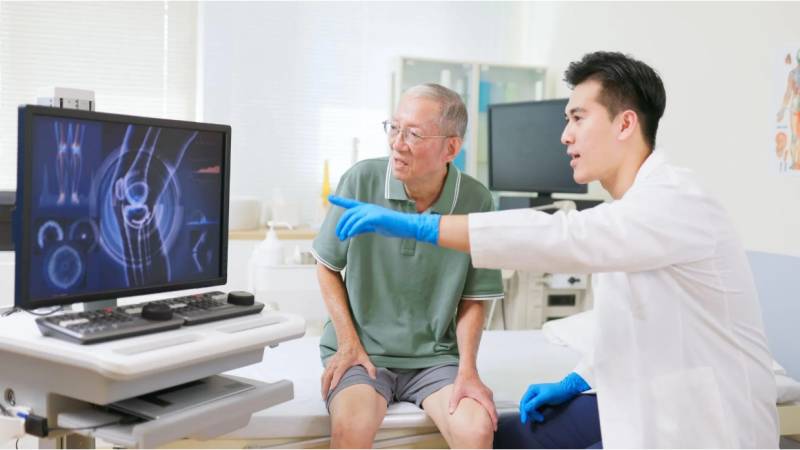
X-rays can identify joint-space narrowing, bone spurs, and other changes associated with osteoarthritis. Doctors may describe the severity using established grading systems, although imaging findings need interpretation alongside physical examination and symptoms. Magnetic resonance imaging is not routinely necessary for every patient with suspected knee osteoarthritis. Importantly, severe cartilage loss cannot currently be reliably reversed through medication or regenerative injections. Understanding these limitations helps patients recognise when continued symptom management is reasonable and when further discussion about surgical options becomes increasingly appropriate.
Giving Rehabilitation A Meaningful Trial
A structured rehabilitation programme can help improve muscle strength, movement confidence, and everyday function. Exercises targeting the quadriceps and hip muscles are commonly included because these structures support knee movement and stability. Progress should be individualised rather than based on painful repetition or unrealistic fitness targets. For some patients, adjusting walking routines and reducing excess body weight can also improve symptoms. Rehabilitation deserves sufficient time and consistent participation before its effectiveness is judged. However, persistent disability despite appropriate management may indicate that another treatment strategy deserves consideration.
Considering Injection Research Without Assumptions
Interest in stem cell therapy for knee osteoarthritis has increased as researchers investigate possible improvements in pain and joint function. Some small clinical studies have reported encouraging findings, but results remain inconsistent and long-term evidence is limited. Complete cartilage restoration has not been reliably demonstrated. Evidence is particularly weak for advanced bone-on-bone disease. Patients should therefore avoid assuming that an experimental injection can replace necessary surgery. Discussions about emerging interventions should remain separate from established decisions concerning rehabilitation, symptom control, and orthopaedic assessment.
Identifying When Surgical Referral Helps
A surgical referral does not automatically mean an operation must happen immediately. Instead, it allows an orthopaedic specialist to examine the joint, review previous management, and explain realistic alternatives. Referral becomes especially relevant when pain remains substantial, daily independence declines, or conservative treatment offers insufficient relief. Partial or total knee replacement may be considered depending on the pattern of joint damage and individual circumstances. Patients can use the consultation to understand likely benefits, potential complications, and expected rehabilitation without feeling pressured into an immediate decision.
Preparing For Potential Surgical Recovery
Recovery planning matters because knee replacement involves more than the operation itself. Patients may need assistance with transport, household responsibilities, and mobility during the early rehabilitation period. Physiotherapy commonly begins soon after surgery, with gradual progress depending on individual health and the procedure performed. Before admission, patients should discuss medication, existing illnesses, and home safety arrangements with their medical team. Recovery timelines vary, and complete comfort cannot be guaranteed. Preparing realistically can reduce practical difficulties while supporting participation in the rehabilitation programme after discharge.
Making Decisions Around Personal Independence
The most appropriate treatment decision depends partly on what patients need their knees to accomplish. Someone caring for young children may prioritise comfortable walking, while another person hopes to continue gardening or recreational activities. These goals deserve discussion alongside medical findings. Patients should also consider how long they are willing to tolerate current limitations and what improvements they expect from treatment. Seeking a second orthopaedic opinion can be reasonable when uncertainty remains. A decision informed by personal priorities is more meaningful than following someone else’s experience.
Conclusion
The decision to undergo knee replacement rarely depends on one examination or a single episode of pain. It emerges from the relationship between joint damage, persistent symptoms, daily independence, and responses to appropriate care. Educational information available through 23cregen.com introduces Malaysian readers to osteoarthritis management and developing regenerative research. Patients facing this decision can prepare a record of functional difficulties, previous treatments, and their most important mobility goals before meeting an orthopaedic specialist. This creates a clearer discussion about whether continued conservative management or surgical intervention offers the more suitable direction.See More