
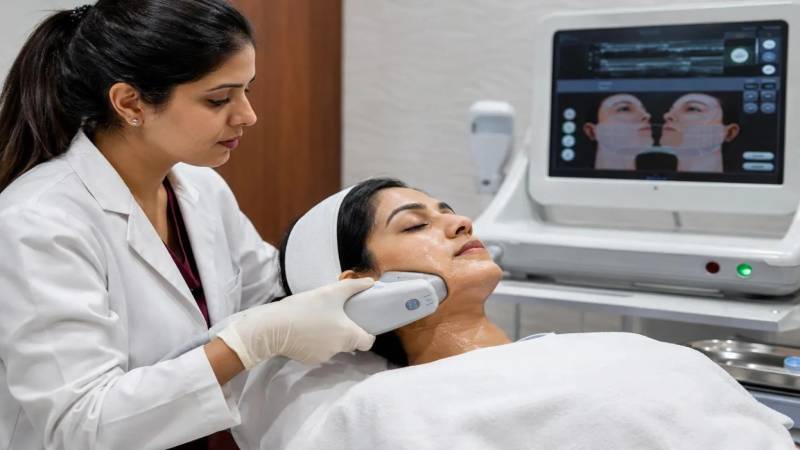
Skin ageing does not always begin with obvious wrinkles. Some adults first notice that their jawline looks softer, while others experience dryness, rough texture, or a crepey appearance. Although these changes may develop together, they involve different aspects of skin health. People researching hifu malaysia should understand that ultrasound-based tightening is not designed to correct every visible sign of ageing. Identifying whether the primary concern involves tissue laxity, hydration, or surface texture helps patients consider more appropriate aesthetic options.
Understanding Changes Beneath The Surface
Skin firmness depends partly on structural proteins, including collagen and elastin, which support its strength and flexibility. Ageing gradually influences these structures, while changes in facial fat and underlying tissues can alter visible contours. Separately, the outer skin barrier helps regulate moisture retention and surface smoothness. A person can therefore have well-hydrated skin with noticeable laxity or relatively firm skin that feels persistently dry. Recognising these differences explains why improving moisture levels does not necessarily produce lifting and why tightening procedures cannot replace everyday barrier care.
How Focused Ultrasound Influences Tissue
High-intensity focused ultrasound delivers concentrated energy into selected tissue depths, creating controlled thermal effects without surgically opening the skin. These effects are intended to stimulate collagen remodelling over time. Treatment may offer modest tightening for suitable individuals experiencing mild to moderate laxity, particularly around the lower face. However, it cannot reproduce the changes achievable through a surgical facelift. Outcomes depend on anatomy, device settings, and practitioner technique. Temporary tenderness, swelling, or altered sensation may occur, making appropriate assessment and professional administration important.
When Skin Hydration Needs Attention
Dry or crepey skin may appear less smooth even when substantial facial sagging is absent. Hydration depends on environmental conditions, normal barrier function, and substances within the skin that help retain water. Patients exploring profhilo malaysia may encounter injectable hyaluronic acid treatments intended to improve selected skin-quality characteristics. Unlike conventional volumising fillers, these preparations are not primarily designed to reshape facial contours. Their suitability, expected improvements, and possible complications require individual medical consideration, and results should not be confused with surgical lifting.
Why Different Areas Age Differently
The cheeks, jawline, neck, and areas surrounding the eyes do not change at identical rates. Skin thickness, underlying support, habitual movement, and cumulative environmental exposure influence their appearance. For example, fine surface creasing may be prominent around delicate skin, while lower-face concerns can involve bigger structural changes. This variation makes blanket treatment plans unsuitable. A clinician should examine the particular area and identify which tissues contribute to the concern. Treating superficial dryness as though it were significant laxity may produce disappointing results.
Setting Expectations Around Visible Improvement
Aesthetic outcomes also differ in how quickly they become noticeable. Collagen remodelling following energy-based procedures generally develops gradually, whereas injectable hydration treatments may follow another pattern of response. Neither approach guarantees a particular degree of improvement or permanent results. Photographs taken with inconsistent lighting can exaggerate apparent changes, especially around facial contours. Patients should ask how progress will be assessed and which limitations apply to their concerns. Understanding realistic timelines can reduce unnecessary repeat appointments and prevent decisions based solely on promotional before-and-after images.
Recognising Risks Before Combining Procedures
Combining aesthetic procedures is not automatically more effective than selecting one appropriate treatment. Ultrasound-based devices and injectable products affect tissues differently, making treatment sequencing and anatomical assessment important. Potential complications vary and may include discomfort, swelling, bruising, burns, altered sensation, or injection-related reactions. Patients should disclose previous facial procedures, relevant illnesses, and ongoing medication before treatment. A qualified practitioner can evaluate whether additional interventions offer a reasonable benefit. More procedures do not necessarily produce better results, particularly when the original concern remains poorly defined.
Supporting Skin Quality Between Appointments
Professional procedures cannot replace basic practices that protect skin from unnecessary damage. Consistent sun protection helps limit ultraviolet-related changes, while gentle cleansing and suitable moisturisers support the skin barrier. Patients using retinoids or exfoliating products should consider tolerance rather than increasing strength indiscriminately. Adequate sleep and avoiding smoking also contribute to general skin health. Although these habits cannot reverse major structural ageing, they help maintain healthier skin conditions. A simple, sustainable routine may offer greater everyday value than repeatedly changing expensive cosmetic products.
Conclusion
Skin firmness and hydration represent different concerns that deserve careful assessment rather than an identical treatment approach. Understanding the distinction between tissue tightening and improvements in surface quality can help adults develop more realistic aesthetic expectations. Educational information available through aestheticclinickl.com introduces Kuala Lumpur residents to relevant non-surgical procedures and their limitations. Before selecting an intervention, patients can identify whether looseness, dryness, or texture bothers them most and discuss that specific concern with a qualified medical practitioner, avoiding unnecessary treatments directed at unrelated changes.See More