
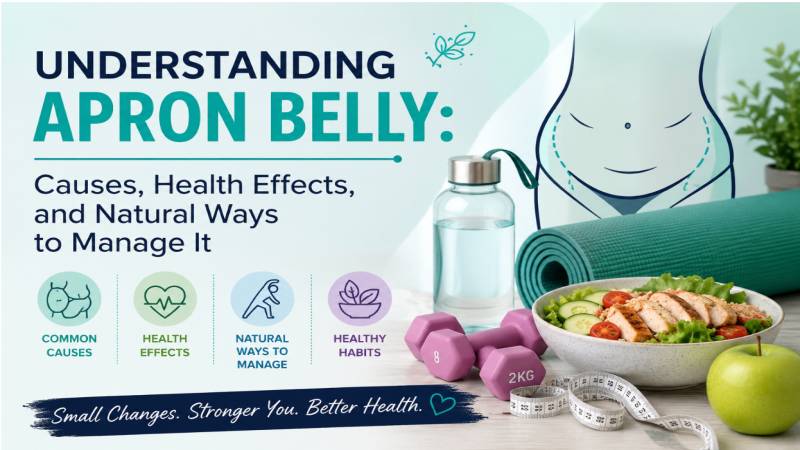
An apron belly, also known as a pannus stomach or abdominal panniculus, is a condition where excess skin and fat hang over the lower abdomen. While many people associate it with obesity, it can also develop after pregnancy, significant weight loss, hormonal changes, ageing, or genetics. For some individuals, it is primarily a cosmetic concern, while for others, it may affect comfort, mobility, and overall quality of life.
The good news is that an apron belly is manageable. Although there is no quick fix, adopting healthy lifestyle habits can improve body composition, reduce discomfort, and support long-term well-being. Understanding the causes and health implications is the first step towards making informed decisions.
What Is an Apron Belly?
An apron belly is an overhanging fold of subcutaneous fat and loose skin that extends from the lower abdomen. The size varies from a small fold covering the pubic area to a larger panniculus reaching the thighs or knees in severe cases. It usually develops when the skin and abdominal tissues become stretched beyond their natural ability to retract.
Unlike visceral fat, which surrounds internal organs, an apron belly mainly consists of skin and fat beneath the skin. This distinction is important because visceral fat is more strongly associated with metabolic diseases, whereas an apron belly often presents physical and practical challenges.
Common Causes of an Apron Belly
Pregnancy
Pregnancy is one of the most common reasons people develop an apron belly. As the uterus expands, the abdominal muscles and skin stretch considerably. After childbirth, the skin may not fully tighten, particularly following multiple pregnancies or a C-section.
Significant Weight Gain
When body fat increases over time, the abdominal area often stores excess fat. Prolonged stretching of the skin can reduce its elasticity, making it difficult for the tissues to return to their previous shape even after weight loss.
Rapid Weight Loss
Losing a substantial amount of weight is a major achievement, but it can leave behind loose skin. This is especially common after bariatric surgery or dramatic lifestyle changes.
Ageing
Collagen and elastin naturally decline with age. These proteins help maintain skin firmness, so their gradual reduction makes loose skin more noticeable.
Hormonal Changes
Conditions such as menopause or PCOS (Polycystic Ovary Syndrome) may encourage abdominal fat accumulation due to hormonal fluctuations.
Genetics
Some people naturally store more fat around their midsection. Genetics also influence skin elasticity and the body’s ability to recover after stretching.
Is an Apron Belly Harmful?
An apron belly is not automatically dangerous. Many people live healthy lives with one. However, larger panniculus folds can create certain health challenges if not managed properly.
Possible complications include:
- Skin irritation and chafing
- Excessive sweating beneath the fold
- Fungal or bacterial skin infections
- Difficulty maintaining hygiene
- Lower back discomfort
- Reduced mobility during exercise
- Emotional stress and reduced self-confidence
If redness, persistent pain, unpleasant odour, or skin breakdown develops, seeking medical advice is important.
Can You Get Rid of an Apron Belly Naturally?
Many people wonder whether exercise alone can completely eliminate an apron belly.
The answer depends on what makes up the overhang.
If most of the tissue consists of excess body fat, gradual fat loss can reduce its size. However, if significant loose skin remains after pregnancy or substantial weight loss, natural methods may improve its appearance but may not remove it entirely.
The goal should focus on improving health, strength, comfort, and confidence rather than chasing unrealistic expectations.
Healthy Nutrition Matters
Nutrition forms the foundation of sustainable fat loss.
A balanced eating pattern should include:
- Lean protein sources
- Whole grains
- Fresh vegetables
- Fruit
- Healthy fats
- Plenty of water
Protein is especially valuable because it supports muscle maintenance while losing fat. Fibre-rich foods also help you stay fuller for longer and reduce unnecessary snacking.
Instead of restrictive diets, aim for a moderate calorie deficit that can be maintained over time.
Exercise That Supports an Apron Belly
Although spot reduction is a myth, regular exercise helps reduce overall body fat and improves muscle tone.
Effective activities include:
Walking
Walking is gentle on the joints and suitable for most fitness levels. Even 30–45 minutes daily can contribute significantly to calorie expenditure.
Strength Training
Building muscle increases metabolic rate and improves overall body composition.
Focus on exercises like:
- Squats
- Deadlifts
- Lunges
- Dumbbell rows
- Chest presses
Core Strengthening
Core exercises improve posture and strengthen abdominal muscles without specifically burning belly fat.
Helpful exercises include:
- Planks
- Bird Dogs
- Dead Bugs
- Pelvic Tilts
- Glute Bridges
Cardiovascular Exercise
Cycling, swimming, rowing, and low-impact aerobics improve cardiovascular fitness while supporting gradual fat loss.
Consistency is always more important than intensity.
Daily Habits That Make a Difference
Small daily habits often produce the biggest long-term improvements.
Prioritise Sleep
Poor sleep affects hormones involved in hunger and appetite regulation. Most adults benefit from seven to nine hours each night.
Reduce Stress
Chronic stress may contribute to increased abdominal fat through elevated cortisol levels.
Helpful stress-management techniques include:
- Meditation
- Deep breathing
- Yoga
- Spending time outdoors
- Regular relaxation
Stay Hydrated
Proper hydration supports digestion, exercise performance, and healthy skin function.
Caring for the Skin
Skin care becomes increasingly important when an apron belly creates skin folds.
Helpful practices include:
- Wash the area gently every day.
- Dry thoroughly after bathing.
- Wear breathable cotton clothing.
- Apply anti-chafing creams if needed.
- Change sweaty clothing promptly after exercise.
Maintaining good hygiene helps reduce irritation and lowers the risk of fungal infections.
Compression Garments Can Improve Comfort
Support garments do not remove an apron belly, but they can make daily activities easier.
Benefits include:
- Reduced movement during exercise
- Improved comfort while walking
- Less skin friction
- Better clothing fit
- Increased confidence
Choose breathable garments that fit properly without restricting circulation.
When Natural Methods May Not Be Enough
Some people are left with large amounts of excess skin after major weight loss.
If the panniculus causes:
- Recurrent infections
- Chronic skin ulcers
- Significant mobility limitations
- Persistent pain
medical treatments may be considered.
Procedures such as panniculectomy remove excess skin, while abdominoplasty (tummy tuck) also tightens abdominal muscles. Surgery should always be discussed with an appropriately qualified healthcare professional and is generally reserved for specific situations after conservative measures have been explored.
Emotional Wellbeing Is Equally Important
Living with an apron belly can affect body image, especially after pregnancy or major weight changes.
Remember:
- Your body tells the story of your life.
- Progress is rarely linear.
- Sustainable habits create lasting improvements.
- Health matters more than appearance alone.
Celebrating small victories—whether increased fitness, improved mobility, or better energy levels—helps maintain motivation throughout the journey.See More
Practical Tips for Everyday Life
Here are several simple strategies you can begin today:
- Walk consistently throughout the week.
- Include strength training two or three times weekly.
- Eat more protein and fibre.
- Limit highly processed foods.
- Drink enough water.
- Get quality sleep.
- Practise stress management.
- Keep skin folds clean and dry.
- Wear supportive clothing when needed.
- Set realistic long-term goals.
These habits work together to support overall health rather than promising overnight results.
Conclusion
An apron belly is a common condition caused by pregnancy, weight fluctuations, ageing, hormonal changes, or genetics. Although it may create physical discomfort and emotional challenges, it does not define your health or self-worth.
Natural management focuses on balanced nutrition, regular exercise, proper skin care, quality sleep, stress reduction, and realistic expectations. While excess loose skin cannot always be removed without surgery, many people experience meaningful improvements in comfort, fitness, and confidence through consistent healthy habits.
If you would like more evidence-based guidance, practical lifestyle advice, and supportive resources specifically focused on managing an apron belly, check out ApronBelly for comprehensive information designed to help you make informed decisions.