
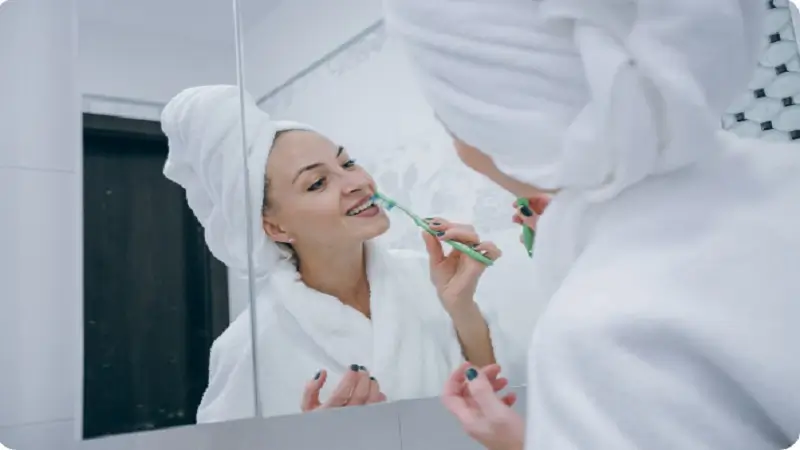
More people than ever are rethinking what goes into their daily oral care routine. Whether it is concern about long-term fluoride exposure, a broader push toward cleaner ingredient lists, or simply wanting a product that aligns with a more natural lifestyle, the interest in fluoride-free toothpaste has grown significantly over the past several years. The options on the market have grown along with that demand, which is both good news and a reason to be selective. Not every fluoride-free toothpaste is built the same, and knowing what to look for makes a real difference in the results you get.
Why People Are Moving Away From Fluoride
Understanding the Shift Toward Cleaner Oral Care
For decades, fluoride was considered the non-negotiable active ingredient in any toothpaste worth using. That consensus has not disappeared entirely, but it has become more nuanced. A growing number of consumers, supported by an expanding body of research, are questioning whether fluoride is the only path to strong, healthy teeth and whether the trade-offs involved in daily fluoride use are worth it for everyone.
The concerns most commonly raised include:
- Systemic exposure over time. Fluoride is absorbed through the digestive system when toothpaste is inadvertently swallowed, which is especially relevant for young children. Toothpaste ingestion is among the leading causes of fluoride intoxication cases reported to poison control centers, with children accounting for the majority of those cases.
- Overexposure to fluoride during tooth development can cause fluorosis, a condition that affects the appearance of tooth enamel.
- A desire for biocompatible alternatives. Many people are simply more comfortable with ingredients that work with the body’s natural biology rather than introducing synthetic compounds on a daily basis.
None of this means fluoride is universally harmful at typical toothpaste doses. However, the conversation has opened up in a way that has created space for genuinely effective alternatives to emerge, and science has provided one.
The Ingredient That Changes the Conversation
Why Nano-Hydroxyapatite Is the Real Story in Fluoride-Free Oral Care
If you have been looking into fluoride-free toothpaste for any length of time, you have probably come across the term hydroxyapatite. It is not a passing trend or a marketing buzzword. It is the mineral that your teeth are actually made of.
Tooth enamel is composed almost entirely of hydroxyapatite, a calcium phosphate mineral that gives teeth their hardness and natural structure. Nano-hydroxyapatite (n-HA) is a synthetic, biocompatible form of that same mineral, engineered at a microscopic particle size that allows it to interact directly with enamel at a structural level. Because it mirrors the body’s own biological material, it does not just coat the tooth surface. It integrates with it.
Here is what that means in practice:
- Nano-hydroxyapatite deposits calcium and phosphate directly into enamel, actively rebuilding tooth structure that has been weakened by acid erosion or bacterial activity.
- Sensitivity reduction. By filling in microscopic surface cracks and tubules in dentin, n-HA reduces the sensitivity that comes from exposed tooth structure.
- Unlike fluoride, hydroxyapatite is not a foreign compound to the body. It is the same material your body uses to build and maintain bone and tooth tissue, which means it poses none of the systemic toxicity concerns associated with fluoride.
Japan has used hydroxyapatite as a primary remineralizing agent in dental products since 1980, and research continues to validate its effectiveness as a fluoride alternative. A peer-reviewed study confirmed that NOBS Toothpaste Tablets, which use 5% nano-hydroxyapatite, are as effective as fluoride toothpaste for enamel support.
What Separates Effective Fluoride-Free Toothpaste From the Rest
Not All Natural Toothpastes Are Actually Doing the Job
This is where the fluoride-free category becomes worth navigating carefully. The market is filled with products that carry natural credentials on the label but are missing the ingredients that actually protect and rebuild teeth. Many natural toothpaste brands formulate their products around ingredients like tea tree oil, coconut oil, activated charcoal, peppermint oil, and aloe vera. These ingredients are not harmful, but they are also not remineralizing agents. A toothpaste that cleans the surface without actively reinforcing enamel is leaving an important gap in your oral care routine.
The critical question to ask about any fluoride-free toothpaste is this: what is the active remineralizing ingredient, and is there clinical evidence behind it?
If the answer is nano-hydroxyapatite at a meaningful concentration, the product has scientific credibility. If the answer is a blend of plant oils and extracts, the product may be natural without being particularly effective at the most important job toothpaste is meant to do.
A genuinely effective fluoride-free formulation should include:
| Ingredient | Role in Oral Health |
| Nano-Hydroxyapatite (n-HA) | Primary remineralizing agent; rebuilds and strengthens enamel |
| Xylitol | Fights cavity-causing bacteria while preserving beneficial oral flora |
| Zinc Citrate | Supports gum health and controls plaque formation |
| Sodium Bicarbonate | Gently polishes and balances oral pH |
| Natural Surfactants | Creates foam for mechanical cleaning without SLS irritation |
Every ingredient in a well-formulated fluoride-free toothpaste should have a specific, documented purpose. Fillers, unnecessary additives, and ingredients that are present for marketing appeal rather than function are signs that the product was not built by someone who truly understands oral health.
The Format Question: Tablets vs. Traditional Tubes
Why the Way Your Toothpaste Is Delivered Actually Matters
One development in fluoride-free oral care that deserves attention is the rise of toothpaste tablets. At first glance, this might seem like a novelty. In practice, the tablet format solves several problems that traditional tube toothpaste creates.
Ingredient purity. Traditional toothpaste is formulated with significant amounts of water, which requires preservatives to prevent bacterial growth and keep the formula stable over time. Toothpaste tablets are waterless by design, which means fewer preservatives and a cleaner ingredient profile overall.
Dosing consistency. Each tablet delivers a precise, single-use dose of active ingredients. There is no squeezing out too much or too little. Every brushing session gets exactly what the formulation was designed to deliver.
Environmental footprint. The plastic tube is one of the most wasteful items in a typical bathroom. It cannot be recycled in most municipal programs due to the composite materials used in its construction. Toothpaste tablets packaged in glass jars eliminate that waste entirely. For consumers building a more sustainable daily routine, this is a meaningful practical step.
Travel convenience. Tablets bypass TSA liquid restrictions entirely, making them a genuinely useful option for frequent travelers who want to maintain their oral care routine without the hassle of complying with liquid limits or risking a tube splitting in a bag.
When chewed briefly before brushing, a toothpaste tablet dissolves into a foamy paste that cleans, remineralizes, and freshens breath in exactly the same way as conventional toothpaste. The experience is different from squeezing a tube, but the adjustment period is short and most people find it quickly becomes second nature.
Building a Natural Oral Routine That Actually Works
The Bigger Picture Beyond the Toothpaste Itself
Switching to a fluoride-free toothpaste built on nano-hydroxyapatite is one meaningful step in a broader natural oral care routine. The other elements are worth considering alongside it.
Brushing technique matters more than most people realize. Twice daily brushing for two minutes, using gentle circular motions rather than aggressive back-and-forth scrubbing, is the foundation. The best toothpaste in the world cannot compensate for brushing technique that is too aggressive or too brief.
Flossing is non-negotiable. No toothpaste reaches the surfaces between teeth where a significant percentage of decay and gum disease originates. Daily flossing or interdental cleaning is essential regardless of which toothpaste you choose.
Diet plays a direct role in enamel health. Frequent consumption of acidic foods and drinks creates the conditions under which enamel erodes. Building in water intake throughout the day, limiting acid exposure, and avoiding constant snacking that keeps oral pH low are habits that support whatever you put on your toothbrush.
Regular dental check-ups remain important. Natural oral care is not a replacement for professional cleaning and examination. It is a complement to it. A dentist who understands and supports evidence-based natural alternatives to fluoride can be a valuable partner in maintaining your routine.
What to Look for When Choosing a Fluoride-Free Toothpaste
To summarize the decision-making framework for anyone evaluating their options, here are the criteria worth prioritizing:
Science-backed active ingredient. Nano-hydroxyapatite at a meaningful concentration (around 5% or higher) is the current gold standard for fluoride-free enamel protection. Look for it prominently listed in the ingredient panel.
Clean supporting ingredients. Xylitol, zinc citrate, and sodium bicarbonate are well-researched supporting ingredients that each contribute meaningfully to oral health. Their presence signals a formulation built by someone who understands the full scope of what toothpaste needs to accomplish.
Free from unnecessary additives. SLS (sodium lauryl sulfate), artificial dyes, parabens, gluten, and harsh abrasives serve no functional purpose in a well-designed formula. Their absence is a quality indicator.
Sustainable packaging. If you are building a natural routine, packaging matters. Glass jars, refillable formats, and plastic-free materials are increasingly available and worth prioritizing.
Clinical credibility. Look for brands that can point to actual research. Not marketing language about research, but documented studies with measurable outcomes. The bar for this has been raised in the fluoride-free category, and the best products meet it.
Final Thoughts
The fluoride-free toothpaste category has matured considerably. The early options that were little more than baking soda and mint oil have given way to genuinely sophisticated formulations built on real dental science. Nano-hydroxyapatite has changed what is possible in fluoride-free oral care, offering a remineralizing mechanism that is not just a compromise or a workaround but a biomimetically sound approach to protecting and rebuilding teeth.
Building a natural oral routine does not mean sacrificing effectiveness. With the right product, the right habits, and a clear understanding of what your toothpaste is actually doing, the natural approach can deliver results that stand up to any comparison with conventional care.See More