
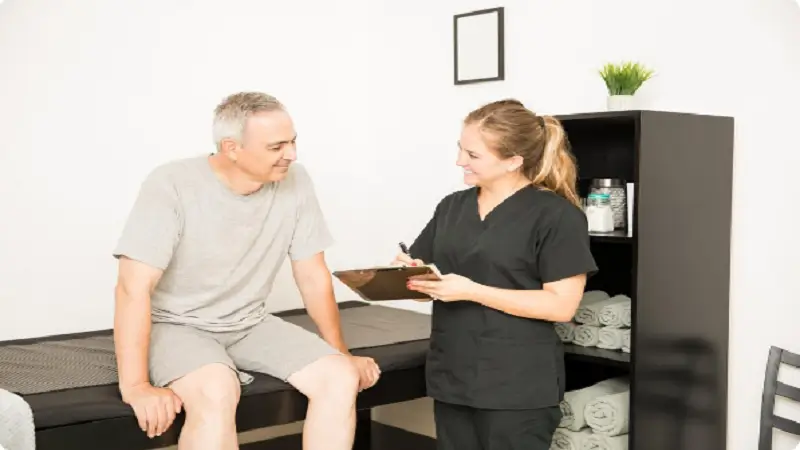
There is a moment many families recognize but rarely talk about out loud. It is the moment a parent or grandparent who once seemed entirely capable quietly stops doing something they used to do without a second thought. Maybe the dishes sit longer than they used to. Maybe the shower is avoided because getting in and out feels risky. Maybe they stop going to appointments because transportation has become too complicated to manage alone. These moments accumulate slowly, and by the time the family notices, the gap between what a senior needs and what they can safely do on their own has grown wider than anyone realized. The good news is that this gap does not have to mean a move to a facility. Dedicated personal care services in Wisconsin are helping seniors stay exactly where they want to be, at home, with their independence intact and their dignity protected.
The Quiet Progression Nobody Plans For
How Daily Tasks Become Daily Obstacles
Aging does not announce itself dramatically in most cases. It arrives in small ways. A shoulder that never fully healed. Knees that make the bathroom floor feel like a genuine hazard. Fingers that struggle with buttons. Fatigue that sets in before the simplest tasks are finished.
For many seniors, these physical changes happen gradually enough that they adapt without telling anyone. They skip the bath and take a washcloth instead. They eat less because preparing a full meal has become exhausting. They stop going out because navigating transportation feels overwhelming. Each individual adaptation seems minor. Cumulatively, they represent a significant erosion of quality of life and, in some cases, a genuine risk to health and safety.
The activities that become most challenging fall into a category clinicians call Activities of Daily Living, or ADLs. These include:
- Bathing, grooming, and personal hygiene
- Dressing and managing personal appearance
- Mobility and safe movement around the home
- Toileting and continence management
- Eating and staying adequately hydrated
- Managing medications consistently
When one or more of these areas becomes difficult, the downstream effects ripple outward. Hygiene declines. Nutrition suffers. Medication routines become inconsistent. Social withdrawal increases. What begins as a sore shoulder or reduced stamina can evolve, without support, into a situation that genuinely threatens a senior’s ability to live safely at home.
What Personal Care Actually Means
Support for the Tasks That Matter Most
The term “personal care” covers a specific and meaningful range of services, and understanding what it actually includes helps families recognize how directly it addresses the challenges their loved ones are facing.
Bathing and Hygiene Support
Bathing is one of the first areas where seniors begin to struggle, and one of the most sensitive to discuss. The physical challenges are real: slippery surfaces, the need to balance while standing, the difficulty of getting in and out of a tub or shower. A caregiver who provides respectful, dignified bathing assistance removes a genuine safety risk while preserving the senior’s sense of comfort and self-worth.
Dressing and Grooming
Getting dressed sounds simple until the shoulders do not cooperate, the balance is unreliable, or the fingers cannot manage fasteners. Assistance with dressing and grooming helps seniors start their day looking and feeling like themselves, which has a direct effect on mood, confidence, and engagement with the world.
Mobility and Transfer Assistance
Falls are one of the leading causes of injury and hospitalization among older adults. Safe support with walking, standing, and transferring between beds, chairs, and wheelchairs significantly reduces fall risk and gives seniors the ability to move through their home with confidence rather than caution.
Toileting and Continence Care
This is one of the most difficult topics for families to address, and one of the most important. Incontinence and toileting difficulty are common among older adults and can cause significant distress if not managed with care and consistency. Respectful, professional assistance in this area protects both the senior’s comfort and their skin health.
Meal Assistance and Hydration
Seniors living alone are at significant risk of malnutrition and dehydration, not because food is unavailable, but because preparing and eating it has become difficult. Caregiver support during meals encourages adequate nutrition and ensures that hydration needs are being met throughout the day.
Medication Reminders
Inconsistent medication routines are a common and serious problem for older adults managing multiple prescriptions. A caregiver providing consistent medication reminders helps clients stay on schedule with their prescribed routines, which can have a significant impact on managing chronic conditions effectively.
The Emotional Dimension of Asking for Help
Why Pride and Independence Are Not Opposites
One of the most significant barriers to seniors receiving the care they need is the belief that accepting help means giving up independence. This belief is understandable. For people who spent decades as capable, self-sufficient adults, the idea of needing assistance with bathing or getting dressed carries a weight that is more than just practical. It feels like loss.
But the reality is almost exactly the opposite. When seniors try to manage tasks that have become genuinely unsafe or exhausting without support, they do not preserve their independence. They put it at risk. A fall in the bathroom, a medication error, or a nutrition-related health decline can lead very quickly to hospitalization or the kind of health crisis that does make independent living impossible.
Personal care services, delivered well, do not undermine independence. They protect it. They give seniors the support they need in the areas where they need it, while preserving their autonomy in every area where they do not. A senior who gets bathing assistance from a trusted caregiver can use the energy that would have gone into managing that task alone for the things that actually matter to them: spending time with grandchildren, tending a garden, reading, or simply moving through their day without exhaustion or fear.
The key is how care is delivered. Seniors respond very differently to support that feels imposed versus support that feels collaborative. The best caregivers understand that the goal is not to take over but to supplement, to stand alongside rather than step in front of.
The Family Caregiver Reality
Love Is Not Always Enough
Many Wisconsin families are already providing a significant amount of care to aging loved ones. Adult children juggling jobs, their own families, and the needs of a parent are doing extraordinary things out of love and loyalty. But family caregiving has real limits, and recognizing those limits is not a failure. It is honest.
Physical care tasks like bathing, transfers, and toileting require specific knowledge to perform safely. Doing them incorrectly can cause injury to both the caregiver and the person being cared for. Doing them consistently while managing everything else in a full adult life leads to caregiver burnout, which ultimately reduces the quality of care available to the senior.
Professional personal care workers bring training, consistency, and appropriate boundaries to the tasks that are hardest for families to manage. They also free family members to focus on the relationship rather than the caregiving, which often means more meaningful time together and less stress on both sides.
Medicaid Coverage and Access
Quality Care Is More Accessible Than Many Families Realize
One of the most common reasons families delay seeking personal care support is the assumption that professional in-home care is unaffordable. This assumption prevents many seniors from receiving help they are actually entitled to.
Wisconsin Medicaid programs cover personal care services for eligible individuals, making quality in-home care accessible to families across a wide range of financial circumstances. Working with a Medicaid-certified provider means families can access professional, trained caregivers without carrying the full cost privately.
Eligibility for personal care services typically extends to individuals managing a wide range of conditions including arthritis, lower back pain, hypertension, heart disease, COPD, diabetes, chronic pain, mobility limitations, and various mental health conditions. Families who have assumed their loved one would not qualify are frequently surprised to learn that they do.
The process of getting started does not have to be complicated. A good personal care agency will walk families through the coverage options, explain what documentation is needed, and help coordinate the steps between initial contact and the start of services.
What to Look for in a Personal Care Provider
Not All Agencies Are Built the Same
Choosing a personal care provider is a decision that deserves careful thought. The caregiver who comes into a senior’s home is not just performing tasks. They are becoming part of that person’s daily life, and the quality of that relationship matters enormously.
When evaluating providers, families should look for:
| Factor | Why It Matters |
| Medicaid certification | Ensures coverage eligibility and regulatory compliance |
| Caregiver screening and training | Protects the safety and wellbeing of the client |
| Customized care planning | Ensures support matches the individual’s actual needs |
| Cultural sensitivity | Helps seniors feel respected and understood |
| Consistency of caregivers | Builds trust and familiarity over time |
| Transparent communication with families | Keeps everyone informed and involved |
A care plan that is genuinely individualized makes a significant practical difference. A senior with mobility challenges needs different support than one primarily managing fatigue. A client whose first language is not English needs a provider who takes that seriously. The best agencies build care around the person, not around a standard checklist.
Independence Is Not Something Seniors Lose. It Is Something the Right Support Protects.
The goal of personal care is not to manage decline. It is to extend the life a senior has built, in the home they know, surrounded by what matters to them. Aching shoulders and fading energy do not have to mean the end of independence. They mean it is time to find the right kind of help.
Across Southeast Wisconsin, seniors and their families are discovering that professional personal care does not diminish a person’s sense of self. Done well, it reinforces it. It gives people back the energy, the safety, and the confidence to keep living on their own terms, even as the body asks for a little more help than it used to.
That is not a loss. That is exactly what good care is supposed to do.See More