
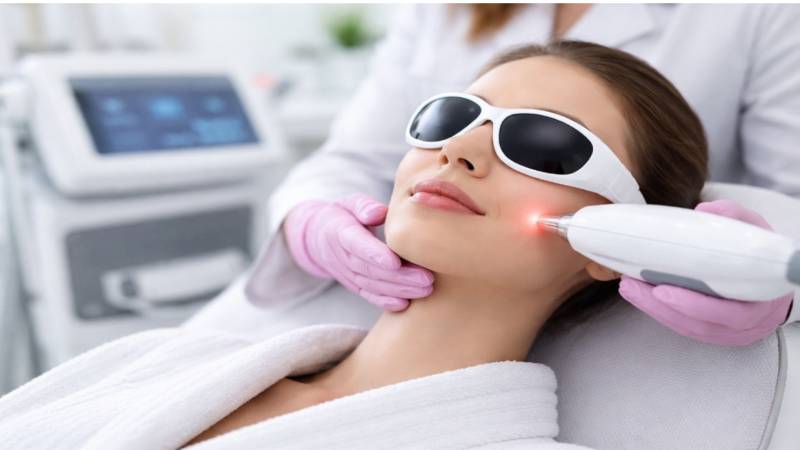
Dermatologists witness the same scenario develop repeatedly—patients come holding bottles of pricey serums, creams, and treatments they’ve acquired over years, expecting these items to address deep wrinkles, acne scars, or pigmentation that topical therapies simply cannot reach. The irritation originates from a misperception dermatological marketing aggressively encourages: the assumption that skin disorders occur only on the surface. In actuality, acne scarring develops when collagen loss forms permanent depressions underneath the epidermis. Wrinkles arise when collagen structures collapse deep in the dermis. Age spots reflect melanin resting protected in layers topical medications never penetrate far enough. This is where laser skin treatment becomes really revolutionary—not because lasers are magic, but because they’re the first practical remedy addressing where skin damage actually happens. Understanding this basic distinction explains why dermatologists advocate avoiding topical treatments.
Why Topicals Fail Completely
People squander amazing amounts of money on serums and creams created particularly to cure issues occurring exactly where these treatments cannot reach. Hyaluronic acid plumps surface moisture momentarily, producing the illusion of decreased wrinkle appearance. Vitamin C illuminates the stratum corneum without affecting deeper pigmentation. Retinol induces some surface cell turnover, but deep collagen loss proceeds unabated. The marketing language—”penetrating formula” and “deep action”—deliberately misleads customers regarding real penetration depth. Acne scar depressions could be millimetres deep, while topical treatments seldom penetrate beyond micrometers. People notice this failure gradually, going to dermatologists as a last choice once topical treatments prove unsuccessful.
How Laser Energy Actually Works
Laser skin therapy works because it avoids the surface altogether, sending energy exactly to depths where issues genuinely occur. Different wavelengths penetrate different distances—this selection impacts greatly the outcomes. Energy absorption provides regulated warmth in target tissue, causing inflammatory reactions that activate healing cascades topicals cannot begin. Fractional lasers generate minute damage zones precisely separated, keeping surrounding tissue intact to promote recovery. This accuracy explains why outcomes seem natural—the body itself accomplishes the healing job, regenerating collagen rather than foreign chemicals replacing damaged tissue.
The Scarring Truth Dermatologists Discuss Privately
Acne scarring represents collagen loss—literally missing tissue creating depressions that no external substance can fill. Dermatologists examining severely scarred skin understand this immediately, which explains why they stop recommending creams and start discussing laser interventions. Each scar type demands different laser approaches. Rolling scars require different energy and technique than boxcar scars. Icepick scars need approaches that would worsen other scar types. This complexity explains why scarring discussions feel frustrating—the solution varies tremendously based on individual scar characteristics, making generic skincare recommendations obviously inadequate.
Pigmentation That Resists Everything Topical
Melasma represents one of dermatology’s most frustrating conditions precisely because it ignores topical solutions completely. Sufferers apply hydroquinone, kojic acid, glycolic acid, and countless combinations without meaningful improvement whatsoever. The problem sits deep within melanocytes—cells producing melanin too actively—where topical products cannot influence cellular function meaningfully. Laser wavelengths specifically targeting melanin actually disrupt overactive melanin production at cellular levels. This explains why dermatologists’ melasma solutions shifted dramatically once laser technology advanced sufficiently. People who abandoned hope after repeated topical failures suddenly experienced genuine improvement through laser intervention.
The Progressive Result Advantage
Laser results developing gradually over months creates natural-appearing improvement because the body rebuilds tissue slowly. This contrasts directly with the artificial appearance of dramatic overnight transformations. Collagen remodelling continues progressing long after treatment ends—improvement extends months beyond the final session. Patients adjust psychologically to gradual changes more easily, whereas sudden alterations raise eyebrows literally and noticeably. Understanding this timeline prevents disappointment from unrealistic expectations about immediate results that social media promotes. Downtime varies dramatically depending on laser type selected. Aggressive ablative lasers require weeks of recovery time. Gentle non-ablative options allow immediate return to activities. This variation means choosing appropriate laser involves trade-offs—more dramatic results demand more recovery. Honest dermatologists discuss this explicitly rather than implying painless miracles happen without consequences.See More
Conclusion
Selecting laser skin treatment represents accepting reality about where skin damage actually exists beneath the surface. Topical products failed, reaching the problem they couldn’t penetrate sufficiently. Lasers succeeded in accessing depths where meaningful transformation truly occurs, delivering genuine results traditional skincare proved inadequate treating structural damage below surface.