
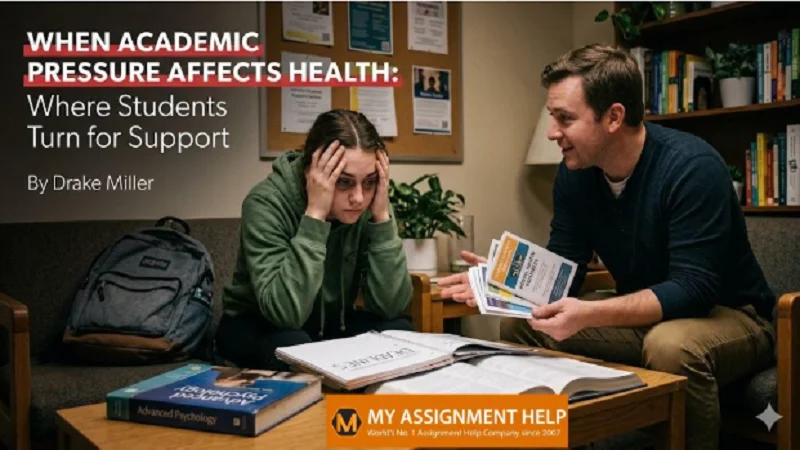
In the modern American education system, the “grind” is often glorified as a badge of honor. From high school sophomores juggling three AP classes and varsity sports to university seniors eyeing competitive grad school spots in the Ivy League, the pressure to perform is relentless.
However, as an academic strategy consultant, I have observed a thin, often-blurred line between healthy motivation and chronic stress. When the weight of deadlines, GPA requirements, and the looming FAFSA or Common App deadlines begins to manifest as physical or mental health issues, it is no longer just an academic hurdle—it is a health crisis. Understanding the toll of this pressure is the first step toward reclaiming your well-being.
The Hidden Toll: How Academic Stress Becomes a Health Issue
Academic pressure doesn’t stay confined to your textbooks; it lives in your body. In the field of educational psychology, we identify this as the “allostatic load”—the cumulative wear and tear on the body which occurs when an individual is exposed to repeated or chronic stress.
1. Mental Health Erosion and “Imposter Syndrome”
In high-stakes environments like MIT, Stanford, or even competitive public high schools, students often suffer from “imposter syndrome”—the internal belief that they are a “fraud” and don’t belong. When a student’s self-worth becomes tied exclusively to their transcript, a single poor grade can trigger depressive episodes or severe anxiety. Many students in these high-pressure scenarios find that seeking professional exam help is a vital safety net to prevent total burnout.
2. The Sleep Deprivation Cycle
The “all-nighter” has become a rite of passage in US campus culture, but the biological cost is steep. Chronic sleep deprivation impairs the prefrontal cortex—the part of the brain responsible for decision-making, executive function, and emotional regulation.
When you lose sleep, you aren’t just tired; you are cognitively compromised. This creates a vicious cycle: you stay up late to study, your brain functions less efficiently the next day, and you fall further behind, necessitating another late night. According to the American Academy of Sleep Medicine, students who prioritize a consistent 7–9 hour sleep schedule consistently outperform their peers who rely on “cramming.”
3. Psychosomatic Symptoms and the Cortisol Spike
The “nervous stomach” before a mid-term or the tension headache that won’t go away during finals week are not coincidences. These are psychosomatic responses. When the body perceives a threat (like a failing grade or a missed deadline), it triggers the Hypothalamic-Pituitary-Adrenal (HPA) axis.
This activation releases cortisol, the body’s primary stress hormone. While cortisol is helpful for short bursts of energy (the “fight or flight” response), prolonged spikes can lead to:
- A weakened immune system (why you always get sick after finals).
- Digestive issues and irritable bowel symptoms.
- Cardiovascular strain and increased heart rate.
- Chronic fatigue that doesn’t resolve with rest.
Navigating the 2026 Academic Climate
As we navigate the 2026-2027 academic cycle, students are facing unique pressures. Changes in digital learning, the integration of Agentic AI in the classroom, and evolving admissions standards have changed the “rules of the game.”
The Rise of Digital Literacy and AI Fluency
The pressure is no longer just about memorizing facts; it’s about AI Fluency. Students are now expected to understand how to leverage AI tools ethically while maintaining their own voice. This “double workload”—learning the subject and learning the technology—is a significant contributor to modern student burnout.
Where Students Turn for Support: A Multi-Tiered Approach
The most successful students are those who recognize when they need to outsource support. In the professional world, CEOs delegate tasks; in the academic world, students must learn Strategic Resource Management.
1. On-Campus Resources: CAPS
Most American universities and many high schools offer Counseling and Psychological Services (CAPS). They provide a safe, confidential space to discuss burnout. In 2026, many institutions have expanded these services to include 24/7 tele-health options, recognizing that academic crises don’t always happen during office hours.
2. Peer Support and Study Groups
Isolation is the enemy of mental health. Joining or forming a study group that focuses on “Social Learning” can reduce the feeling of being overwhelmed. When you realize your peers are struggling with the same organic chemistry lab or macroeconomics theory, the “imposter syndrome” begins to fade.
3. Strategic Academic Support and Delegation
When the workload becomes physically unmanageable—affecting your sleep and health—seeking professional academic guidance is a responsible choice. This is where academic resource management comes into play.
Using a structured academic support service allows students to regain control over their schedules. For example, many students find that using services like myassignmenthelp.com to handle the “heavy lifting” of formatting, citations, and initial research allows them to focus on Deep Work. When deadlines collide, the decision to pay to do assignment tasks can provide the breathing room necessary to prioritize sleep and mental recovery, ensuring you stay healthy enough to actually graduate.
Practical Strategies for Stress Mitigation
To rank well and stay healthy, you need a toolkit of evidence-based strategies.
The Power of “Active Recall”
Instead of re-reading a textbook (a passive and time-consuming task), use Active Recall. This involves closing the book and trying to explain a concept from memory. It is more mentally taxing but significantly more efficient, reducing the total hours needed to study.
Spaced Repetition
Avoid the “cram” by using Spaced Repetition. Reviewing material at increasing intervals (1 day, 3 days, 1 week) moves information from short-term to long-term memory. This prevents the “panic-learning” that triggers cortisol spikes the night before an exam.
Conclusion: Health First, Always
Your GPA is a snapshot of a moment in time; your health is the foundation for the rest of your life. Whether you reach out to a counselor at CAPS, join a peer support group, or utilize myassignmenthelp.com to manage an overwhelming research workload, taking that first step is crucial.
In the 12 years I have spent in higher education strategy, the students who thrive are not the ones who never feel stress—they are the ones who know how to manage it. Prioritize your peace and remember that no grade is worth your long-term well-being.
Frequently Asked Questions
Q.1 How do I know if my school stress is “normal” or becoming a health issue?
“Normal” stress usually subsides once a deadline passes. If you experience persistent symptoms like insomnia, chronic headaches, social withdrawal, or a feeling of hopelessness that lasts beyond finals week, it is likely becoming a health issue. If your physical health is declining, it is time to seek professional support from a doctor or counselor.
Q.2 What are the first signs of academic burnout in college students?
Common signs include emotional exhaustion, a cynical or detached attitude toward your studies, and a sudden drop in academic performance. You might also find it difficult to concentrate even on simple tasks or feel that no matter how much you study, you aren’t making progress.
Q.3 Can I get a medical extension for academic stress in the USA?
Yes. Under the Americans with Disabilities Act (ADA), many US institutions recognize mental health conditions (like clinical anxiety or depression) as valid reasons for academic accommodations. You typically need to provide documentation from a healthcare provider to the Office of Disability Services or your Dean of Students.
Q.4 How does academic resource management help with health?
Strategic use of support is a cornerstone of professional life. Utilizing a service for research assistance, proofreading, or understanding complex concepts is a form of specialized tutoring. It becomes a vital health tool when used to supplement your learning and manage an overwhelming schedule, preventing the physical breakdown associated with burnout.
About the Author: Drake Miller
Drake Miller is a passionate blog author associated with Myassignmenthelp.com, specializing in creating insightful content on education, student success and academic support. With a strong interest in helping learners navigate challenges, Drake shares practical advice, study strategies, and industry trends through engaging articles. His writing aims to inform, support, and empower students across diverse academic journeys.See More