
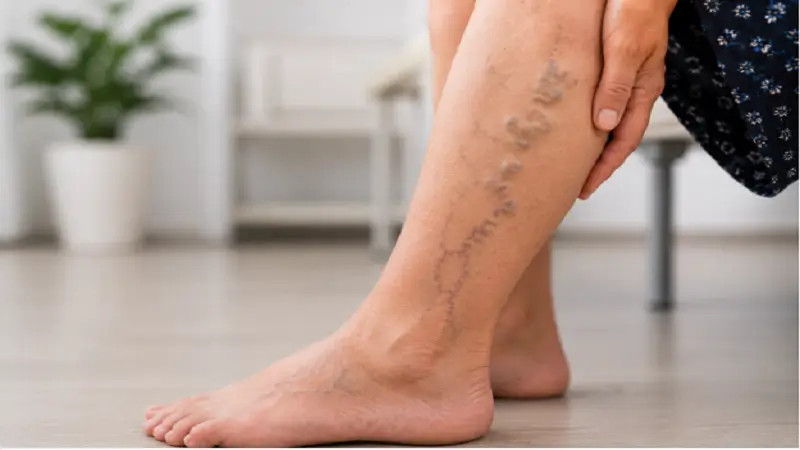
Pregnancy is one of life’s most transformative experiences, but it also puts significant pressure on your circulatory system. Understanding how pregnancy affects your veins can help you stay comfortable, catch warning signs early, and protect your long-term vascular health.
When most people think about pregnancy discomfort, they picture morning sickness, back pain, or swollen feet. What often goes unnoticed until it becomes a real problem is the impact pregnancy has on the veins. Varicose veins, leg heaviness, spider veins, and even deep vein thrombosis (DVT) are far more common during and after pregnancy than most expectant mothers realize.
At MVM Health, our vein specialists work closely with pregnant and postpartum women across the region to identify vein problems early and guide them through safe, effective care. If you’ve been searching for a vein treatment center near me that truly understands the unique needs of pregnant patients, this article is for you.
Why Pregnancy Is Hard on Your Veins
The cardiovascular system undergoes dramatic changes the moment pregnancy begins. Blood volume increases by nearly 50% over nine months to nourish the growing baby. This extra blood puts pressure on the vein walls, especially in the legs and pelvis, where blood has to travel upward against gravity to return to the heart.
At the same time, the hormone progesterone, which rises sharply during pregnancy, causes vein walls to relax and become more flexible. While this is helpful for accommodating the growing uterus, it also makes the veins less efficient at pushing blood back toward the heart.
As the uterus grows, it presses directly on the inferior vena cava, the large vein responsible for returning blood from your lower body to your heart. This compression slows circulation significantly, causing blood to pool in the leg veins.
Quick Fact: Studies indicate that as many as 40% of women get varicose veins during pregnancy. For women who’ve had multiple pregnancies, that number climbs even higher. The good news? With the right care, most vein issues are very manageable, and many improve after delivery.
Common Vein Problems During Pregnancy
Understanding what to watch for can help you seek care before a minor annoyance becomes a more serious condition.
- Varicose veins : Twisted, bulging veins that appear most commonly in the legs, but can also develop in the vulva or rectum (hemorrhoids). They often cause aching, heaviness, and itching.
- Spider veins: Red or purple, smaller, web-like patterns of veins that are close to the skin’s surface. Harmless, but frequently a symptom of high blood pressure.
- Swelling of the legs or ankles (edema): occurs as a result of fluid retention and poor circulation, causing swelling of the legs and ankles, particularly in the third trimester and hot weather.
- Leg cramps and restless legs: Lower limb poor blood return can lead to cramping of the legs and an urge to keep moving them throughout the night, known as restless legs.
- Deep Vein Thrombosis (DVT) : Pregnancy increases blood clotting factors as a natural defense against delivery-related blood loss. This protective mechanism, unfortunately,y raises the risk of dangerous clots forming in deep leg veins.
- Chronic Venous Insufficiency (CVI) : When vein damage from pregnancy isn’t treated, valves within the veins can fail permanently, leading to ongoing swelling, skin changes, and ulcers over time.
Warning Signs You Should Never Ignore
Some symptoms of pain during pregnancy need immediate medical care, but others are normal. If you’ve noticed any of the following, you should contact a vascular specialist or your OB immediately:
- Sudden swelling in one leg only, particularly if accompanied by warmth or redness, could be a sign of DVT
- Leg pain that increases with walking or flexing the foot
- Red, swollen, or unusually painful skin over a varicose vein (possible phlebitis)
- If the chest pain or shortness of breath occurs after leg symptoms, this may be a sign of a pulmonary embolism, a life-threatening condition.
- Open sores or wounds near the ankles that don’t heal
Important: Deep vein thrombosis during pregnancy carries serious risks for both mother and baby. If you experience sudden one-sided leg swelling with pain, seek emergency care immediately rather than waiting for a scheduled appointment.
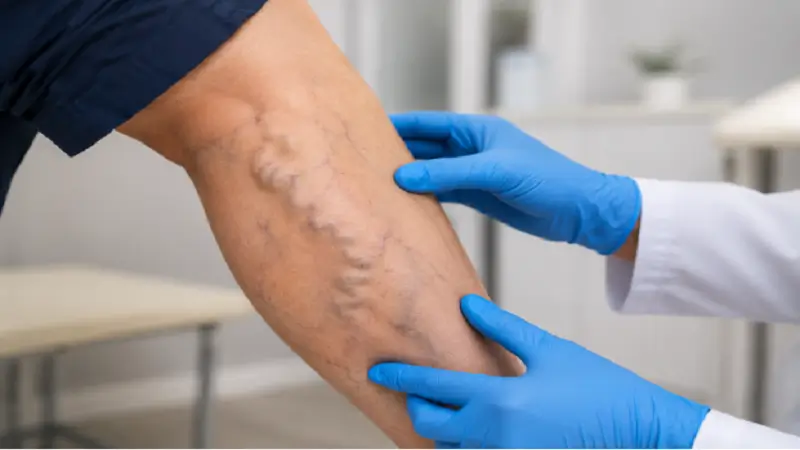 How to Protect Your Veins During Pregnancy
The great news is that there are practical, pregnancy-safe strategies that significantly reduce vein stress. Many women who follow these habits experience far less discomfort and lower their risk of developing lasting vein damage.
- Wear compression stockings: Put them on first thing in the morning before getting out of bed, when leg veins are least congested. Opt for medical-grade, 15–20 mmHg compression.
- Gentle activity: Walking, swimming, and prenatal yoga work the calf muscles and serve as your body’s natural venous pump. Any walking, even brief 10-minute strolls, helps a lot.
- Raise lower body: Rest your legs above the heart level for 15-20 minutes a few times a day. This helps the blood to drain from the legs better.
- To sleep on the left side: This position removes the uterus from the inferior vena cava and helps the blood return from the lower body. A pregnancy pillow is used to help you stay this way comfortably.
- Stay well hydrated: thick blood is more likely to clot. Drink water in the recommended amounts of 8-10 glasses per day during pregnancy.
- Control weight gain: Excessive weight gain during pregnancy increases pressure on the pelvic veins. Talk to your OB to maintain a healthy weight gain for your figure.
What Happens to Your Veins After Delivery?
For many women, varicose veins and swelling improve within a few weeks to months after delivery as blood volume normalizes and hormonal shifts reverse. However, this isn’t universal, and each subsequent pregnancy tends to compound any existing vein damage.
If your vein symptoms haven’t improved within three to six months postpartum, or if you’re planning another pregnancy, it’s a good time to consult with a vascular specialist. Treating damaged veins before your next pregnancy significantly reduces the risk of more severe problems down the road.
At MVM Health, we recommend a postpartum vein evaluation for any woman who has experienced significant varicose veins, leg swelling, or vein-related discomfort during pregnancy. A quick ultrasound-based assessment can tell us exactly what’s happening beneath the surface.
Modern Vein Treatments That Are Safe After Pregnancy
Today’s vein treatments are minimally invasive, highly effective, and performed right in the office with no general anesthesia, no hospital stay, and no lengthy recovery. Once you’ve delivered and finished breastfeeding, the following options may be appropriate:
- Sclerotherapy: A tiny injection causes spider veins and small varicose veins to close and gradually disappear. Most patients see excellent results within a few sessions.
- Endovenous Laser Ablation (EVLA): A thin laser fiber is placed within the diseased vein and transmits energy into the vein that causes it to close. A healthy redirection of blood around the body.
- Radiofrequency Ablation (RFA): An ablation technique that employs radiofrequency (RF) energy, like laser ablation. It’s proven to be comfortable and effective when treating larger varicose veins.
- VenaSeal: A medical-grade adhesive is used to close diseased veins without heat or compression, ideal for patients with needle sensitivity.
- Ambulatory Phlebectomy: Surface varicose veins are removed through tiny incisions under local anesthesia, leaving minimal scarring and no downtime.
The right treatment depends on the size, location, and severity of your vein concerns. At MVM Health, our specialists create personalized treatment plans based on advanced duplex ultrasound imaging, not a one-size-fits-all approach.
Why Choose MVM Health for Vein Care?
If you’re looking for a trusted vein clinic in Bethlehem, PA, MVM Health brings together board-certified vascular specialists, state-of-the-art imaging, and a patient-first philosophy that makes a real difference in the care experience.
- Board-certified vascular doctors who have special interests in vein issues related to pregnancy
- Advanced duplex ultrasound mapping to accurately determine the veins you have before suggesting any treatments
- In-office procedures that require little recovery and have same-day appointments.
- Compassionate, personalized treatment from the initial appointment to the final follow-up visit
- Convenient location in Bethlehem, PA, providing care to patients from all over the Lehigh Valley region!
We know that each patient’s story is different. From pregnant to postpartum, or even after months of painful veins, MVM Health has the solution for you with vein care designed specifically for your needs. Looking to make your legs healthier? Schedule your consultation today with MVM Health, the trusted vein clinic in Bethlehem, and take the first step toward healthier, pain-free legs.
Frequently Asked Questions
Is there any way to treat the varicose veins before the baby’s birth?
Invasive treatment is reserved for after delivery and breastfeeding. However, symptoms can be safely managed during pregnancy with compression therapy and lifestyle changes.
Will my varicose veins go away on their own after delivery?
Some do, especially spider veins and mild varicose veins, which may occur early in the pregnancy. Larger, established varicose veins usually don’t go away completely and may just get more prominent with every pregnancy.
Should I see a vein doctor or my OB?
If you are experiencing mild swelling and cosmetic spider veins, you can follow your OB’s advice. However, if you experience any skin changes, severe pain in your leg, or have bulging varicose veins, a vein doctor is the best option if you are worried about a clot.
Is it safe to get vein treatment while breastfeeding?
In most vein procedures, a short time off breastfeeding is necessary to allow the breast to heal following the procedure. Your provider at MVM Health will explain what to anticipate during each treatment and let you know which one is the best fit for you.See More