
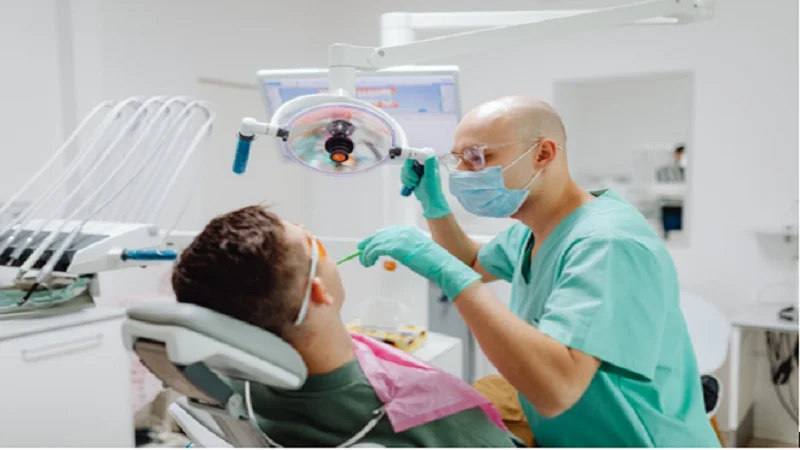
Finding a dentist in the UK isn’t just a quick search; it’s shaped by NHS access, private costs, waiting lists, plus where you live. London feels different from smaller towns; access varies, and pricing too. Some areas have long NHS queues, others barely any availability, so people drift into private care even if they didn’t plan to. That context matters. You’re not just picking a person; you’re working inside a system that can be slow, uneven, and sometimes frustrating. So the “right” dentist depends partly on what’s actually available near you, not just preference.
First Check — Qualifications, But Don’t Overthink It
Start basic. Registration with the General Dental Council. Non-negotiable. Without that, stop. Most dentists meet this, so it’s not a deciding factor, more a filter. Experience matters, but not always in the way people assume. Years in practice help, yes, yet newer dentists sometimes use more current methods, more tech. It balances out. You’re not looking for perfection, just competence plus consistency.
Reputation Feels Useful, But It’s Messy
Reviews exist everywhere—Google, clinic sites, forums. They help, but also mislead. People write when things go very well or very wrong. Middle experiences rarely show up. So you read, you get a sense, then you move on. Don’t chase perfect ratings. They’re usually curated or incomplete. Instead, look for patterns—comments about communication, waiting times, billing clarity. Those details repeat for a reason.
Somewhere around this stage, people often find it difficult to find the right one, but it is not that hard. For instance, if you’re in the UK looking for the best dentist London houses numerous experts whom you can trust.
At the end of the day, looking up online only brings lists, ads, and directories. Useful for discovery, not for decision. You still have to check the fit yourself. No ranking really tells you how a dentist explains a procedure, or how they handle discomfort, or whether they rush appointments. Those things matter more than a title.
NHS or Private — The Practical Divide
This choice shapes everything. NHS dentists offer more affordable, structured pricing and standard treatments. But availability is limited. Waiting times stretch. Appointment slots feel tight. Private dentists offer flexibility, shorter waits, wider treatment options—cosmetic work, advanced procedures. Cost rises quickly. That’s the trade.
Some people mix both. NHS for basics, private for specific treatments. It works, though not always smoothly. Records don’t always transfer cleanly, and communication can lag. Still, it’s common.
Communication Matters More Than Skill Alone
A technically good dentist who doesn’t explain anything creates problems. Patients hesitate, delay treatment, and misunderstand aftercare. So communication becomes key. You want clarity—what’s being done, why, what it costs, what happens next.
Some dentists talk too much, others barely at all. Neither ideal. You’re looking for balance. Enough detail to understand, not so much it overwhelms. This becomes obvious quickly, usually within the first visit.
The First Appointment Tells You Enough
You don’t need months to decide. One or two visits reveal a lot. Reception behaviour, waiting time, and how organised the clinic feels. Small signals. If appointments run late every time, it probably won’t improve. If staff seem rushed, it carries into treatment.
The dentists themselves—do they listen, or move straight into action? Do they ask about history, concerns? Or skip ahead. These are not minor details. They shape long-term experience.
Cost Transparency — Often Overlooked
Pricing should be clear before treatment starts. Not vague estimates, not “we’ll see later.” A proper breakdown. Private clinics especially vary widely in pricing, even within the same city. One procedure might cost twice as much elsewhere.
Hidden costs frustrate people more than high costs. At least with high costs, you know upfront. So clarity matters more than cheapness. If a clinic avoids discussing fees directly, that’s a signal. Not a good one.
Technology Helps, But Doesn’t Decide
Modern clinics use digital X-rays, scanning tools, and advanced cleaning systems. It improves accuracy and speed. But it’s not everything. A well-run traditional clinic can still provide excellent care.
Technology supports the process. It doesn’t replace judgement. Some practices advertise heavily around equipment—it looks impressive, but you still need skill behind it.
Location, Convenience — More Important Than Expected
People underestimate this. A dentist far away becomes a problem over time. You delay visits. You cancel. Then small issues grow.
So proximity matters. Not necessarily the closest, but manageable. Easy to reach after work, during breaks. Dental care isn’t one-off; it repeats. Convenience supports consistency.
Emergency Handling — Rare, But Critical
You might not think about emergencies until they happen. Then it matters a lot. Does the clinic offer urgent appointments? Same-day slots. Or do they refer elsewhere?
It’s worth asking early. Not because you expect issues, but because response time matters when pain hits. Delays feel longer when you’re uncomfortable.
Specialisation — Only When Needed
General dentists handle most routine care. Fillings, cleanings, check-ups. For complex cases—orthodontics, implants, gum disease—you might need specialists.
Some clinics offer everything in-house. Others refer out. Both are fine. What matters is clarity about when a referral is needed. A good dentist won’t push beyond their scope.
Comfort Level — Hard to Define, Easy to Notice
Some patients feel anxious. Others not at all. Either way, comfort matters. It’s not just about pain management. It’s the overall environment.
Lighting, noise, and how procedures are explained. Even small things like how long you sit waiting in the chair before treatment starts. These affect perception.
You notice quickly if something feels off. Trust that instinct. It’s usually accurate.
Continuity — Seeing the Same Person
Switching dentists repeatedly disrupts care. Records exist, yes, but familiarity helps. A dentist who knows your history spots changes faster. Treatment becomes more consistent.
Large clinics sometimes rotate staff. Smaller ones offer more continuity. Neither is strictly better, but consistency tends to improve experience.
Hygiene and Cleanliness — Non-Negotiable
Basic, but worth stating. Clean equipment, organised spaces, visible hygiene practices. If anything looks questionable, leave. No compromise here.
Patients don’t always know what to look for, but general cleanliness is obvious. Trust that.
There isn’t a single “right” dentist. There’s a workable fit. Someone qualified, communicative, accessible, reasonably priced, consistent. That’s enough.
People overthink this sometimes. Research takes too long, delaying decisions. Better to choose, try, and adjust if needed. Dentistry is ongoing. You’re not locked in forever.
And once you find a good one, you stay mostly because changing again feels like starting over. See More