
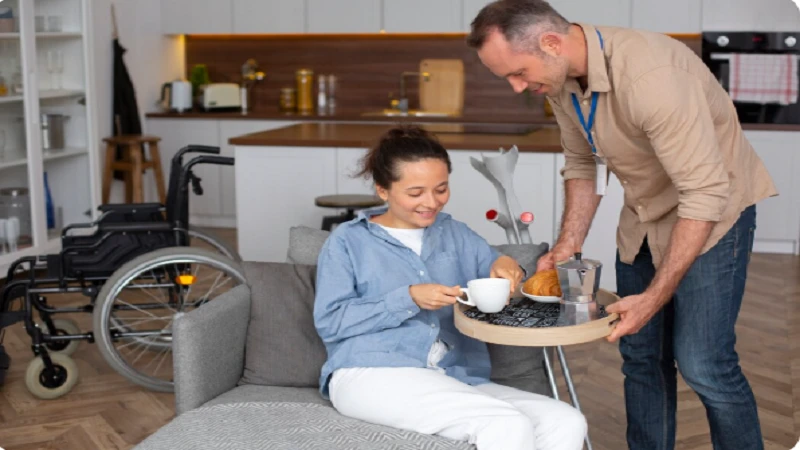
End-of-life care is one of the most sensitive and important stages in a person’s life. For many individuals and their families, the ability to remain at home during this time provides comfort, familiarity, and a sense of dignity that institutional settings often cannot replicate. In 2026, end-of-life care at home has become a carefully structured, compassionate service designed to support both the individual and their loved ones through every stage of the journey.
Rather than focusing solely on medical needs, high-quality end-of-life care addresses emotional wellbeing, comfort, and personal wishes. Delivered by trained professionals and supported by healthcare teams, home-based care ensures that individuals receive the right level of support while remaining in a place they know and trust.
This guide explains how end-of-life care at home works, what families can expect, and why compassionate, coordinated support is essential during this time.
What is end-of-life care at home?
End-of-life care at home refers to specialist support provided to individuals who are approaching the final stages of life, often due to advanced illness or age-related conditions. The focus is on comfort, dignity, and quality of life rather than curative treatment.
Families exploring end-of-life care at home services can expect a structured approach that includes symptom management, emotional support, and close coordination with healthcare professionals such as GPs, nurses, and palliative care teams.
Care plans are personalised to reflect the individual’s preferences, ensuring that their wishes are respected at every stage.
Supporting comfort and symptom management
One of the primary goals of end-of-life care is to ensure that individuals remain as comfortable as possible. This involves managing pain, supporting mobility where appropriate, and creating a calm, safe environment.
Care teams focus on:
- Monitoring comfort levels and reporting changes promptly
- Supporting prescribed pain management plans
- Assisting with positioning to reduce discomfort
- Maintaining hygiene and personal care with dignity
By addressing both physical and emotional needs, care can be delivered in a way that reduces distress and promotes peace of mind.
The role of specialist complex care
Many individuals receiving end-of-life support also have complex health needs that require structured, high-dependency care. This may include neurological conditions, advanced illnesses, or complications requiring ongoing monitoring.
Access to specialist complex care support ensures that these needs are managed safely and consistently. Care workers trained in complex conditions can provide:
- High-level personal care
- Monitoring of changing health conditions
- Support with equipment and mobility
- Clear communication with healthcare professionals
This level of expertise is essential in maintaining stability and reducing the risk of unnecessary hospital admissions.
Emotional support for individuals and families
End-of-life care is not only about physical support — it is also about emotional connection, reassurance, and presence. Individuals may experience a range of emotions, and having a familiar, compassionate carer can make a significant difference.
Care teams provide:
- Reassurance and calm companionship
- Support with communication and expression
- Respect for personal, cultural, and spiritual preferences
Families also benefit from emotional support, helping them navigate a challenging and often overwhelming time with greater understanding and confidence.
Supporting families through every stage
Families play a central role in end-of-life care, but the emotional and practical demands can be significant. Professional support helps reduce this burden and ensures that care remains consistent and safe.
Working with a professional care team you can trust allows families to:
- Focus on spending meaningful time with their loved one
- Receive clear updates and guidance
- Feel reassured that care is being delivered correctly
- Access support when they need it most
This collaborative approach creates a more stable and supportive environment for everyone involved.
Coordinating care with healthcare professionals
Effective end-of-life care requires close coordination between care providers and healthcare professionals. This ensures that care plans are aligned with medical guidance and that any changes in condition are addressed promptly.
Coordination may involve:
- Regular communication with GPs and nurses
- Following palliative care plans
- Adjusting care routines as needs evolve
- Escalating concerns when necessary
This structured approach ensures continuity and reduces the risk of fragmented care.
Preserving dignity and personal wishes
A key aspect of high-quality end-of-life care is respect for the individual’s wishes. This includes preferences around daily routines, environment, and how care is delivered.
Care providers prioritize:
- Maintaining privacy and dignity at all times
- Supporting familiar routines wherever possible
- Respecting cultural and personal values
- Encouraging involvement in decision-making where appropriate
By focusing on these elements, care becomes more than a service — it becomes a compassionate, personalised experience.
Why home-based end-of-life care matters
Remaining at home allows individuals to stay connected to their surroundings, family, and sense of identity. This familiarity can significantly reduce anxiety and provide comfort during an uncertain time.
Home-based care offers:
- A calm and familiar environment
- Greater flexibility in care delivery
- One-to-one support tailored to individual needs
- Stronger emotional connections with carers and family
For many, this setting provides a more dignified and meaningful end-of-life experience.
Conclusion
End-of-life care at home provides a compassionate, structured approach to supporting individuals and families through one of life’s most important stages. By combining specialist expertise with emotional support and personalised care planning, it ensures that comfort, dignity, and respect remain at the centre of care.
For families navigating this journey, access to the right support can make a profound difference — not only in managing practical needs but in creating a calm, reassuring environment where individuals can be cared for with compassion every step of the way.See More