

Stress does not always knock on the door. Sometimes it slips in through the window and sits quietly in the room. A tight jaw, shallow breath, restless sleep, or a sudden short temper can feel random, but they are not. They are part of the body’s stress signals, and they speak in a clear language once you learn how to listen. Only with careful observation can you understand how stress shows up in the body, how it shapes thought and behavior, and how health awareness can support steadier choices.
The Body Speaks Before the Mind Does
The body often reacts to stress before the mind forms a clear thought. This is not a weakness. It is designed. The nervous system scans for danger all the time. When it senses a threat, it prepares the body to act.
- Heart rate rises.
- Breath shortens.
- Blood moves to large muscles.
- Digestion slows.
These shifts happen in seconds. Many people try to solve stress only in their heads. They look for better thoughts, better plans, better logic. Those tools help, but they work best after the body feels safe. A tense body does not listen well. It stays focused on defense.
This is why physical signs matter. A stiff neck can signal long hours of mental strain. A sore stomach can signal worry that never rests. Cold hands can signal fear that lingers. These signs are not random. They are messages. The body’s stress signals guide us if we let them. They point to what needs care, rest, or change. Ignoring them does not make them fade. It often makes them louder.
Different Ways Our Body Reacts to Stress
When stress rises, the body starts looking for fast relief. Muscles tighten, breathing changes, and thoughts speed up. Some people feel wired and restless. Others feel heavy and slow. Stress can push appetite up or down, change sleep patterns, make small problems feel huge, and even lead to a relapse for those in recovery. None of these reactions is random. They are part of how the body tries to cope.
For some people, stress shows up as strong cravings or urges. This can include alcohol, drugs, gambling, food, screens, or other habits that once brought quick comfort. Those old paths may have caused harm, yet the brain still remembers the short calm they seemed to offer. In that state,going back to harmful habits can feel close and tempting. That feeling can be an early warning sign of relapse, long before you act. The nervous system moves into survival mode. It wants comfort and escape, not long-term wisdom.
 Stress can motivate a person to return to destructive behavioral patterns.
Other reactions sit more in the body than in behavior. Muscles stay tense. The heart beats harder. Hands shake. Sleep becomes uneven. Headaches, jaw pain, or stomach issues may appear. These signs often arrive before the urge to act feels strong. When a person learns to notice them early, the pause between stress and action grows wider. That pause matters. It creates space for a safer choice.
Stress also affects how a person thinks about themselves. It can bring back shame and old stories of failure. The body reacts to those thoughts as if danger is near. It releases hormones that raise alert and lower calm. The cycle builds. Body and mind feed each other.
The Gut, the Brain, and the Stress Loop
Stress does not stay in one place. It moves through systems. One key system is the gut, where stress manifests in changes in gut bacteria. Those changes affect mood and thinking. Stress can alter the tiny organisms in the digestive tract, and those organisms send signals back to the brain.
The gut has its own network of nerves. People often call it the “second brain.” It talks to the main brain through nerves and chemical messengers. When stress rises, this talk changes. Digestion can slow down or speed up. The balance of bacteria can shift. Those shifts can affect how a person feels emotionally.
This is why stress often shows up as stomach pain, bloating, or nausea. The gut reacts fast, and that is why long-term stress can be linked with low mood or anxiety. The brain and gut move in a loop. Each one shapes the other.
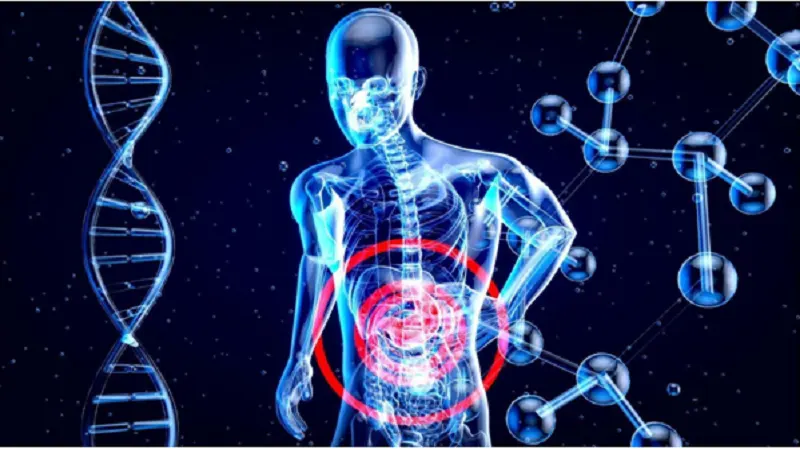 Stress will often show up as stomach pain, bloating, or nausea.
Reading the Body’s Stress Signals Without Judgment
People often judge their stress signs. They dismiss them as weak or silly. This judgment adds more pressure. The body does not need blame. It needs understanding. When the jaw tightens, it is not trying to annoy. It is trying to protect. When sleep breaks, it is not trying to fail. It is trying to stay alert. These reactions come from a system built for survival.
A kind view helps change the pattern. Instead of asking “What is wrong with me?” a person can ask “What is my body asking for?” That shift lowers threat. It invites problem-solving instead of panic. Stress signs also change over time. A person who once felt stress in the stomach might later feel it in the back or head. This does not mean things got worse. It means the body chose a new channel, and that you need to take a holistic approach in order toheal.
What is The Right Way to Deal WithThe Stress Signals?
Awareness is the first step towards a real change. When a person names what the body feels, the brain starts to shift. “My chest feels tight” is not the same as “I need to escape.” One is a signal. The other is a command. Learning to hear the first without obeying the second is a skill. It grows with practice and patience.
- Writing can help. Ashort note each day about physical and emotional states builds awareness. Over time, patterns appear. At certain times, tasks, or people might be linked with certain signs. Once the pattern is clear, change becomes easier.
- Food, rest, and routine support this system. Regular meals help keep signals steady. Sleep helps reset the stress response. Gentle movement helps digestion and mood. None of these fixes stress alone, but they build a base of support. The key idea is connection. The gut and brain do not work in isolation. They act as a team. When stress hits one, the other feels it. Listening to gut discomfort as a stress sign, not just a food issue, can guide better care.
- Support also plays a role. A calm voice, a safe place, or a simple routine can help the body settle. The nervous system responds to rhythm and predictability. Slow breathing, steady walking, or even washing dishes can guide the body back from high alert. The key is to notice stress early, before it pushes behavior off track.
From Signals to Skill
Reading stress signals is a skill. Like any skill, it grows with use. The steps stay simple: notice, name, and respond. Notice the body. Name the sign. Respond with care. The response does not need to be big. A slow breath. A short walk. A glass of water. A pause before a hard talk. These small acts tell the nervous system that danger has passed. Over time, the body learns to calm faster. This skill also supports choice. When stress stays hidden, it drives action from the shadows. When stress becomes clear, it moves into the light. In the light, it loses some power. A person can see it, feel it, and decide what to do next. Learning to read the body’s stress signals does not mean stress will vanish. It means stress will stop running the show.