
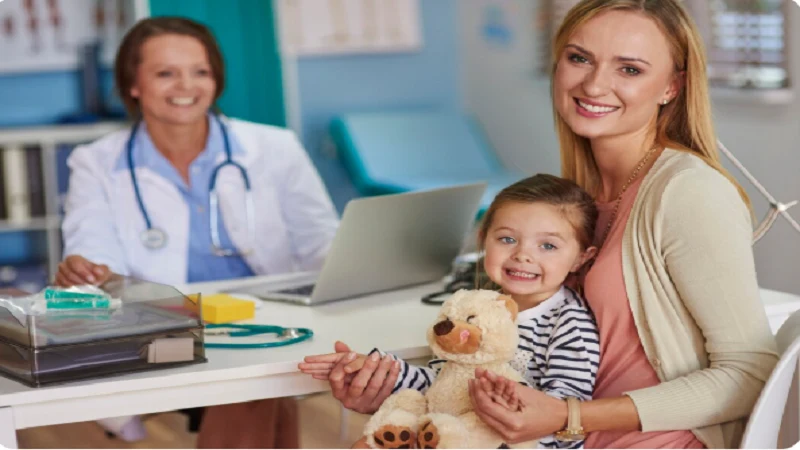
Healthcare is evolving beyond isolated treatments and episodic care. Today, one of the most meaningful shifts is the rise of integrated mother-and-child healthcare ecosystems. Instead of treating women’s health and child health as separate domains, hospitals are now building a continuous care model that supports a patient from pre-pregnancy to childbirth and through a child’s early developmental years.
This approach is not just about convenience. It is about improving outcomes, strengthening preventive care, and ensuring that both mother and child receive the right attention at the right time. In an era where lifestyle disorders, delayed pregnancies, and pediatric health concerns are on the rise, this integrated model is becoming more relevant than ever.
Why Continuity of Care is the Biggest Trend Today
Modern families are facing a different set of health challenges compared to a decade ago. Women are choosing to conceive later in life, often balancing careers and personal goals. At the same time, children are increasingly exposed to environmental, nutritional, and developmental risks.
In such a scenario, fragmented care can lead to missed diagnoses, delayed interventions, and unnecessary complications. This is why continuity of care is emerging as a defining trend in healthcare.
The idea is simple yet powerful: one ecosystem that tracks, monitors, and supports both maternal and child health across every stage. From fertility planning and pregnancy care to neonatal support and pediatric development, everything is connected.
The Role of Specialized Women-Centric Healthcare Systems
The journey begins with focused care for women. A Women’s Specialty Hospital is designed to address the unique health needs of women across different life stages. This includes reproductive health, fertility treatments, high-risk pregnancy management, and hormonal care.
What makes these hospitals stand out is their emphasis on personalization. Every patient’s journey is different, and treatment plans are tailored accordingly. For example, a woman planning pregnancy after the age of 35 may require a completely different approach compared to someone in her twenties.
These hospitals also integrate advanced diagnostics, genetic screening, and minimally invasive procedures to ensure safer outcomes. More importantly, they focus on preventive care, helping women prepare for pregnancy both physically and mentally.
From Pregnancy to Birth: A Seamless Transition
One of the biggest advantages of integrated care is the smooth transition from prenatal to postnatal services. During pregnancy, regular monitoring ensures that both mother and baby are progressing well. High-risk cases are identified early, allowing for timely interventions.
As the due date approaches, the same medical team that has been monitoring the pregnancy is involved in the delivery process. This continuity reduces stress for the patient and improves clinical outcomes.
Post-delivery, the focus shifts to recovery and newborn care. Lactation support, postnatal physiotherapy, and mental health counseling are becoming standard components of modern care. This holistic approach ensures that mothers are not left to navigate recovery on their own.
The Growing Importance of Early Pediatric Care
Once the baby is born, the focus naturally shifts to the child’s health and development. This is where a Pediatric Hospital becomes an essential part of the ecosystem.
Early childhood is a critical period for physical, cognitive, and emotional development. Timely vaccinations, nutritional guidance, and developmental screenings play a crucial role in ensuring healthy growth.
Modern pediatric care goes beyond treating illnesses. It focuses on monitoring milestones, identifying potential concerns early, and guiding parents on best practices. Whether it is managing allergies, addressing developmental delays, or supporting mental well-being, pediatric care has become more proactive than reactive.
Technology is Reshaping Mother-and-Child Care
Technology is playing a major role in making this integrated approach more effective. Digital health records allow doctors to access a patient’s entire medical history, ensuring better decision-making. Wearable devices and mobile apps help track vital parameters during pregnancy and early childhood.
Teleconsultations have also made it easier for patients to stay connected with their doctors. This is especially beneficial for new parents who may have frequent concerns but limited time to visit hospitals.
Advanced imaging and diagnostic tools are improving the accuracy of prenatal and pediatric assessments. From fetal scans to early detection of congenital conditions, technology is enabling faster and more reliable diagnoses.
Addressing Modern Health Challenges
The integrated care model is particularly effective in addressing some of the most pressing health challenges today. High-risk pregnancies, preterm births, and neonatal complications require coordinated efforts from multiple specialists.
Similarly, rising cases of childhood obesity, behavioral disorders, and lifestyle-related conditions demand a comprehensive approach. By bringing together experts from different fields, hospitals are better equipped to manage these complexities.
Mental health is another area gaining attention. Postpartum depression in mothers and anxiety-related issues in children are being recognized and treated as part of routine care. This reflects a broader understanding of health that goes beyond physical well-being.
Why Families Are Choosing Integrated Healthcare Models
The shift toward integrated mother-and-child care is largely driven by patient preferences. Families today are looking for healthcare solutions that are convenient, reliable, and comprehensive.
Having a single hospital ecosystem reduces the need for multiple consultations and conflicting opinions. It also builds trust, as patients interact with the same team of doctors throughout their journey.
Another important factor is time efficiency. In busy urban settings, managing multiple appointments across different locations can be challenging. Integrated care simplifies this process, making healthcare more accessible.
The Road Ahead: A More Connected Future
The future of healthcare lies in deeper integration and personalization. As medical research advances, we can expect more targeted treatments and better predictive tools. Genetic screening, personalized nutrition plans, and AI-driven diagnostics are likely to become more common.
Hospitals will continue to evolve into comprehensive care centers that address the needs of entire families. The focus will remain on prevention, early intervention, and long-term well-being.
Conclusion
The concept of healthcare is changing in a meaningful way. Instead of isolated treatments, the emphasis is now on building a continuous, connected journey for patients.
By integrating women’s health and pediatric care, modern hospitals are creating a system that supports families at every stage. From planning a pregnancy to nurturing a child’s growth, this approach ensures that no aspect of health is overlooked.
For families seeking better outcomes and a more seamless experience, this new model of care offers a promising path forward. See More