
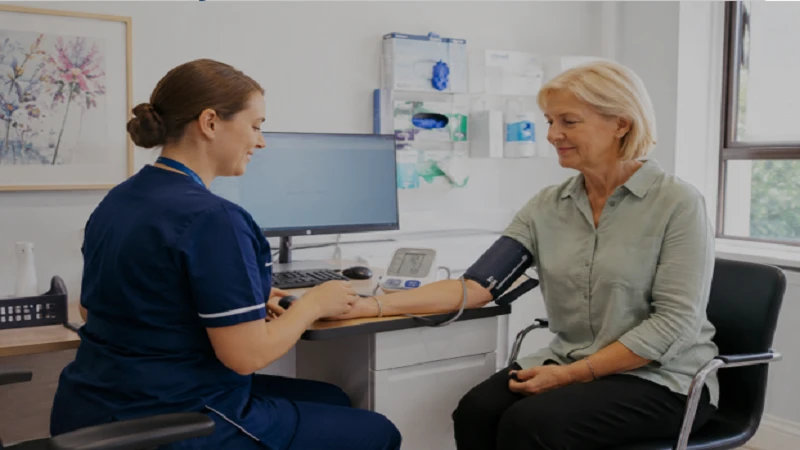
Blood pressure measurement is probably the most common clinical measurement taken in healthcare settings worldwide. Most adults have had it checked dozens of times. And yet, a surprisingly large number of people have no real idea what their numbers mean or why it matters so much that their clinic checks it at nearly every visit.
Here’s a clear, jargon-free explanation of what blood pressure is, what the numbers tell you, and when you should be paying closer attention.
What Is Blood Pressure, Actually?
Blood pressure is the force that your blood exerts against the walls of your arteries as your heart pumps it around your body. Every time your heart beats, it pushes blood out into the arteries. Between beats, the heart rests and refills.
This creates two distinct pressures:
- Systolic pressure — the pressure during a heartbeat, when the heart is actively contracting
- Diastolic pressure — the pressure between beats, when the heart is at rest
A blood pressure reading is always expressed as two numbers for example, 120/80 mmHg. The top number is systolic; the bottom is diastolic. The ‘mmHg’ stands for millimetres of mercury, which is the unit of measurement used.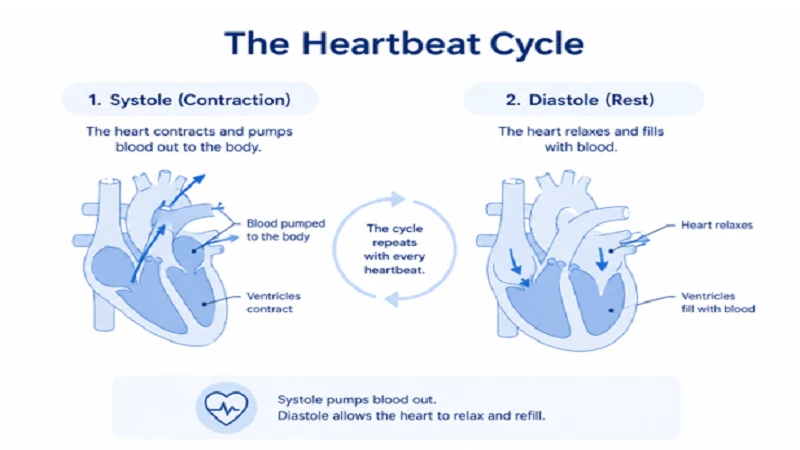
Alt text:” simple illustration of a heartbeat cycle showing systolic (contraction) and diastolic (rest) phases”
What Do the Numbers Mean?
Here’s how blood pressure ranges are generally categorised, according to guidelines from the Heart Foundation of Australia and international cardiology bodies:
| Category | Systolic (mmHg) | Diastolic (mmHg) |
| Normal | Less than 120 | Less than 80 |
| Elevated | 120–129 | Less than 80 |
| Stage 1 Hypertension | 130–139 | 80–89 |
| Stage 2 Hypertension | 140 or higher | 90 or higher |
| Hypertensive Crisis | Higher than 180 | Higher than 120 |
| Low (Hypotension) | Lower than 90 | Lower than 60 |
It’s important to know that a single reading in a slightly elevated range doesn’t diagnose hypertension. Blood pressure varies throughout the day, it’s higher during exercise, stress, or caffeine consumption, and lower when you’re at rest. Diagnosis requires consistently elevated readings over multiple occasions.
Why Does Hypertension Matter So Much?
High blood pressure is often called the ‘silent killer’ not because it’s dramatic, but because it usually causes no symptoms at all while quietly doing damage. Over years, sustained high blood pressure damages the walls of arteries, makes the heart work harder than it should, and significantly increases the risk of:
- Heart attack
- Stroke
- Heart failure
- Chronic kidney disease
- Vision loss (hypertensive retinopathy)
- Vascular dementia
The World Health Organization estimates that hypertension is responsible for around 7.5 million deaths per year worldwide making it one of the leading preventable causes of death globally. In Australia, about 34% of adults aged 18 and over have hypertension, and a significant proportion of them don’t know it.
Why Does Your Clinic Measure It So Often?
This is the question many patients quietly wonder about, especially when their pressure has been normal for years. The reason is straightforward: blood pressure can change, and the conditions that cause it to rise often develop gradually and without obvious symptoms.
Regular measurement at clinic visits allows your doctor to:
- Establish your personal baseline over time
- Detect a rising trend before it reaches a level requiring treatment
- Monitor the effectiveness of medication if you’re already on antihypertensive treatment
- Identify ‘white coat hypertension’ a phenomenon where patients have elevated readings in a clinical setting but normal readings elsewhere
The last point is particularly relevant. Studies show that white coat hypertension affects up to 20% of patients diagnosed with elevated blood pressure in clinical settings. One way doctors investigate this is by recommending 24-hour ambulatory blood pressure monitoring where you wear a device that takes readings at regular intervals throughout a normal day.
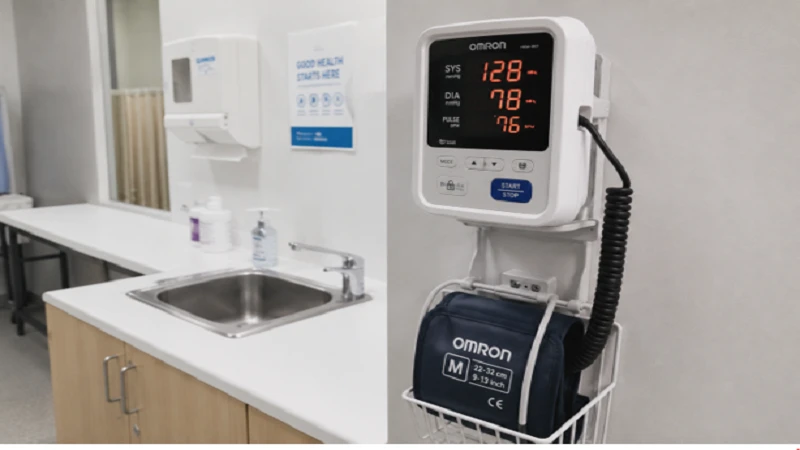 What Makes a Clinical Blood Pressure Monitor Different?
Not all blood pressure devices are equal. Consumer monitors sold in pharmacies are adequate for home monitoring, but they aren’t designed for the accuracy and consistency required in clinical settings.
Medical-grade devices like those available through suppliers of clinical blood pressure monitors are validated against clinical standards (such as the British Hypertension Society or AAMI/ANSI validation protocols). They account for irregular heartbeats, provide averaged readings over multiple measurements, and often include upper-arm cuffs in a range of sizes to ensure accurate fitting for different arm circumferences.
The cuff size matters more than most people realise. A cuff that’s too small will give a falsely elevated reading; one that’s too large will give a falsely low one. Clinical monitors typically come with multiple cuff sizes precisely for this reason.
How to Get an Accurate Reading
Whether you’re being measured at a clinic or checking your own pressure at home, a few conditions significantly affect the result:
- Sit quietly for at least 5 minutes before measurement
- Don’t smoke, drink caffeine, or exercise in the 30 minutes before reading
- Sit with your back supported and feet flat on the floor
- Rest your arm on a flat surface at heart level
- Don’t talk during the measurement
- Take two or three readings, 1 to 2 minutes apart, and use the average
When Should You See a Doctor About Your Blood Pressure?
If you take a reading at home and it’s consistently above 140/90, book an appointment with your GP. If a single reading is above 180/120, seek medical attention promptly, this is considered a hypertensive crisis and requires same-day assessment.
For most people, blood pressure in the elevated or stage 1 range is managed initially with lifestyle changes: reducing salt intake, increasing physical activity, losing weight if needed, reducing alcohol, and quitting smoking if applicable. Medication is added when lifestyle measures aren’t sufficient or when cardiovascular risk is already high.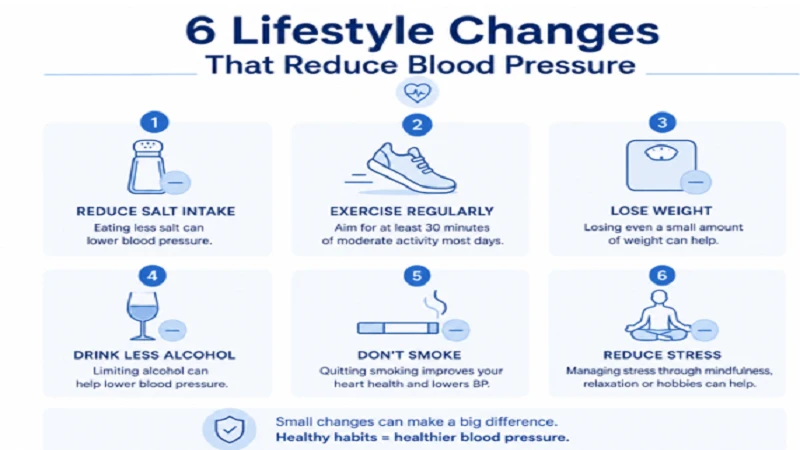
Alt text:”6 lifestyle changes that reduce blood pressure”
The Bottom Line
Blood pressure measurement is quick, painless, and one of the most informative things a clinic can do in a short appointment. Understanding your numbers and why they change makes you a more active participant in your own health management.
If your clinic asks to check it at every visit, it’s not routine box-ticking. It’s one of the most practical forms of preventive care available.See More
| Insight to you! |
| Normal blood pressure is considered to be below 120/80 mmHg. Consistently elevated readings above 130/80 meet the threshold for Stage 1 hypertension and warrant discussion with your GP about risk factors and potential management options. |